



The Allure of the Wild Plate
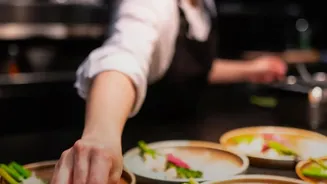
A culinary renaissance is quietly unfolding across India, driven by chefs and home cooks who are looking beyond farms and markets for their ingredients. They are venturing into forests, hillsides, and coastal regions to find flavours that are unique,
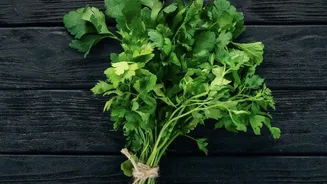
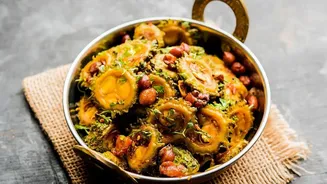
seasonal, and deeply connected to the land. This trend has introduced diners to a host of lesser-known produce, from Himalayan fiddlehead ferns and morels to wild greens like takla from Maharashtra and berries from the Western Ghats. Chefs like Vanika Choudhary of Noon in Mumbai and Prateek Sadhu of NAAR in Kasauli are at the forefront, crafting dishes that celebrate ingredients like Kashmiri gucchi, Ladakhi skotse (a wild garlicky herb), and mahua flowers. For these culinary innovators, foraging is a way to rediscover India's rich biodiversity and reconnect with food at its most primal level. This movement isn’t just about novelty; it’s about showcasing ingredients that indigenous and agrarian communities have used for generations but have rarely appeared in mainstream dining.
A Return to Traditional Knowledge
Foraging is not a new concept in India. It is an ancient practice deeply woven into the fabric of many tribal and indigenous communities, for whom it remains a vital source of nutrition and livelihood. The current culinary trend represents a mainstream rediscovery of this age-old wisdom. It's an acknowledgment that the forests and wildlands are home to a vast pantry of edible plants—an analysis has identified over 1,400 wild species consumed across India. Harshita Kakwani, who runs a foraged food initiative in Madhya Pradesh, learned the art from local communities near Pench National Park, using her knowledge to connect forest produce with holistic wellness. This revival highlights the importance of seasonality and terroir, celebrating ingredients that are available for just a short window, like the monsoon green takla, or those that grow only in specific high-altitude regions.
The Golden Rules of Responsible Sourcing
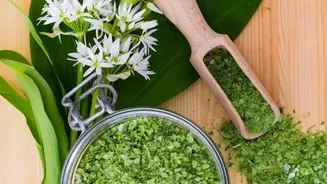
As foraging gains popularity, the conversation has rightly shifted to sustainability and ethics. Responsible sourcing is paramount to ensure that this practice doesn't harm the ecosystems it celebrates. The first rule is to never take more than you can use and to leave plenty behind for wildlife and for the plant to regenerate. A common guideline is to take only a small fraction—some suggest no more than one-third—of what is available in a patch. It's also crucial to avoid damaging the plant or its surroundings; for instance, when harvesting wild garlic, foragers are advised to take the leaves and leave the bulb in the ground to allow it to grow back. Furthermore, foragers must acknowledge the original stewards of this knowledge—the local communities. Chefs and enthusiasts are encouraged to build meaningful relationships with local foragers, giving credit and ensuring that commercialisation does not come at the expense of the communities who have sustained these practices for centuries.
The Critical Need for Careful Identification
The single most important rule of foraging is to be absolutely certain of a plant's identification before consumption. The world of wild plants is filled with poisonous look-alikes that can cause severe illness or even death. For example, the beautiful Rosary Pea, whose leaves are edible, produces seeds containing abrin, one of the world's most lethal plant toxins. Similarly, the stunning Glory Lily and the common Datura plant, both found in India, are highly poisonous. Even experienced foragers can make mistakes, and relying on a single characteristic, a photo from an app, or a common name is not enough. Many plants that are safe to eat have toxic counterparts. Experts stress that proper identification requires deep botanical knowledge, often passed down through generations or learned from a seasoned guide. For anyone new to foraging, the only safe way to begin is under the direct supervision of an expert.