







The Call of the Wild: Sundarbans
The Sundarbans, the world’s largest mangrove forest, is a place of primal beauty and quiet suspense. A UNESCO World Heritage Site, this labyrinth of tidal waterways, mudflats, and dense forests is a world away from the urban hustle. The cooler season,
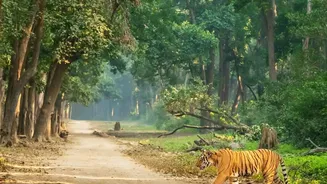
stretching from October to March, is the undisputed best time to visit. The weather is pleasant, making the long hours on a boat safari comfortable and deeply meditative. This is when the resident wildlife is most active. While the Royal Bengal Tiger remains the most elusive and sought-after sighting, the forest is generous with its other treasures. Crocodiles bask on the muddy riverbanks, spotted deer emerge near the treeline, and a symphony of kingfishers and herons fills the air. A trip here is about embracing the silence, punctuated only by the lapping of water and the calls of the wild.
Navigating the Mangrove Maze
The quintessential Sundarbans experience is a multi-day boat safari. Starting from gateways like Godkhali, a few hours' drive from Kolkata, you venture deep into the wilderness. Life slows to the rhythm of the tides. Days are spent cruising through narrow creeks, visiting watchtowers like Sajnekhali and Sudhanyakhali for a panoramic view of the forest canopy, and observing the unique ecosystem. Evenings are often spent at a jungle lodge, where you can engage with local communities, learn about their unique culture, and enjoy traditional Bengali cuisine. Some tours even offer bonfire nights with local folk performances. It’s an adventure that requires patience; the forest reveals its secrets slowly, rewarding those who are willing to watch and wait.
The Heart of Creation: Kumartuli
In stark contrast to the untamed wilderness of the Sundarbans lies Kumartuli, a warren of narrow lanes in North Kolkata. This is not a place of natural creation, but of human artistry at its most divine. For over 300 years, this potters' quarter has been the epicentre of idol making, crafting the gods and goddesses that are the focal point of Bengal's vibrant festival calendar. The neighbourhood's story began in the 18th century, when artisans were settled here to meet the growing demand for idols from wealthy Bengali families. Today, walking through Kumartuli is like stepping into a living museum. The air is thick with the smell of wet clay and paint, and every workshop reveals idols in various stages of completion, from humble straw frameworks to exquisitely painted deities.
Artistry Beyond the Festival Rush
While Kumartuli is famous for the frenetic energy leading up to Durga Puja in September or October, the cooler travel season offers a different, more intimate perspective. With the main festival rush over, the artisans don't stop. They turn their focus to crafting idols for upcoming festivals like Kali Puja and, later in the winter, Saraswati Puja. This is a time of steady, focused work. It’s an opportunity for visitors to wander the lanes without the massive crowds, interact with the artists, and watch the meticulous process up close. You can see the fine details being sculpted and the first coats of paint being applied, all while the masters prepare for a global demand, exporting their creations to Bengali communities worldwide. This quieter season reveals the year-round dedication that sustains this incredible craft.
A Journey for Every Traveller
The choice between the Sundarbans and Kumartuli is a choice between two fundamental aspects of Bengal's identity. One is an outward journey into a sprawling, untamed ecosystem that commands respect and awe. It's for the adventurer, the nature lover, and the seeker of solitude. The other is an inward journey into the dense, creative heart of a city, a celebration of heritage, skill, and devotion passed down through generations. It's for the culture enthusiast, the photographer, and the art lover. One trip requires binoculars and patience; the other, a curious eye and comfortable walking shoes. One offers the thrill of a potential tiger sighting, the other, the guaranteed sight of gods being brought to life by human hands.