



The Hormuz Chokepoint
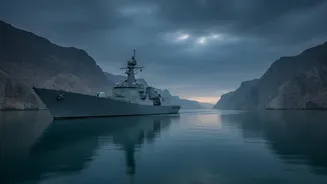
The Strait of Hormuz is more than just a strip of water; it's a critical artery for the global economy. Roughly one-fifth of the world's oil supply passes through this narrow channel, making its security a paramount concern for nations worldwide, including
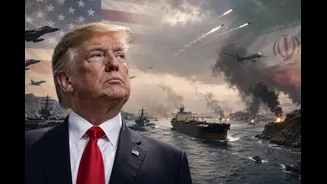
India. Iran's geographical position gives it significant influence over the strait, a fact it has used as leverage. Recent months have seen a dangerous cycle of escalation, with attacks on commercial vessels and a heavy US military presence. Iran has sought to assert more control, proposing its own rules for passage, while the US and its allies push for freedom of navigation. This standoff has led to incidents like vessels being struck by projectiles and a US naval blockade, turning the waterway into a primary flashpoint where a minor miscalculation could have major consequences.
The Web of Sanctions
Economic sanctions are a primary tool in the US strategy towards Iran. Washington has maintained and expanded a complex web of restrictions targeting Iran's oil sector, financial institutions, and key industries since the 1979 revolution. The stated goal is to curb Tehran's nuclear ambitions and limit its support for regional militant groups. These measures have had a severe impact on Iran's economy, contributing to internal unrest and protests. However, they have also hardened Tehran's stance. The US continues to enforce these sanctions, recently targeting companies and tankers accused of facilitating Iranian oil sales. This 'maximum pressure' campaign creates a significant barrier to diplomacy, as Iran demands sanctions relief as a precondition for any meaningful agreement, while the US requires changes in Iranian policy first, creating a classic diplomatic deadlock.
The Nuclear Impasse
At the heart of the US-Iran conflict lies the dispute over Tehran's nuclear program. After the collapse of the 2015 Joint Comprehensive Plan of Action (JCPOA), efforts to negotiate a new deal have been sporadic and largely unsuccessful. The US and its allies, particularly Israel, are determined to prevent Iran from developing a nuclear weapon, a goal Tehran insists it is not pursuing. A fragile interim ceasefire and memorandum of understanding reached in June 2026 was intended to create space for comprehensive negotiations on the nuclear issue. However, these talks have been repeatedly derailed by military escalations and deep-seated mistrust. Conflicting reports about the state of negotiations are common, with US officials announcing imminent talks while Iran denies them, highlighting the deep chasm that remains.
A Region on Edge
Beyond its borders, Iran's influence across the Middle East is another major point of contention. The US and its regional allies, such as Israel and Saudi Arabia, view Iran's support for groups like Hezbollah in Lebanon, the Houthis in Yemen, and various militias in Iraq and Syria as a destabilizing force. This 'axis of resistance' has been weakened in recent years but remains a central part of Iran's regional strategy and a direct challenge to American interests. Recent conflicts have seen Iran retaliate for strikes on its territory by launching attacks on US bases and allied countries in the region, turning the entire Middle East into a potential theater of conflict. Any diplomatic solution between the US and Iran must also account for these complex proxy battles, making a comprehensive agreement incredibly difficult to achieve.