





The Boiled Peanut Conundrum
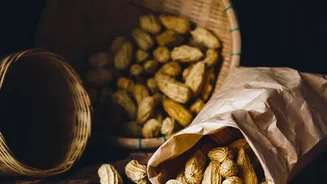
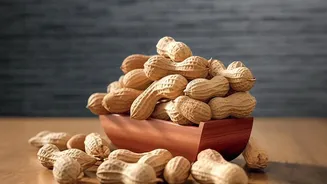
Boiled peanuts are a beloved snack across India, from street-side stalls to family gatherings. Served warm and soft, they are a comfort food staple. Yet, achieving that perfect balance of saltiness in every kernel can be surprisingly elusive. The common
method involves boiling the peanuts in heavily salted water for hours, hoping the salt penetrates the tough shell and inner skin. This can be a game of chance. Sometimes the peanuts remain stubbornly bland, forcing you to over-salt the water, which can lead to an inedible, salty mush on the outside while the inside remains untouched. It’s a frustrating experience for home cooks who just want to replicate the delicious, well-seasoned peanuts they know and love.
The Science of a Salty Snack
To understand how to salt a peanut properly, we need to look at the science of osmosis and diffusion. When you place peanuts in salty water, the laws of physics go to work. The brine has a much higher concentration of salt than the fluid inside the peanut's cells. Nature seeks equilibrium, so salt ions naturally try to move from the highly concentrated brine into the less concentrated peanut cells through a process called diffusion. Simultaneously, through osmosis, water moves across the cell membranes. The goal is for the salty water to fully penetrate the peanut, seasoning it from within. However, the peanut's dense structure and protective shell make this a slow and often inefficient process when relying on boiling alone.
A Simple Trick for Better Brining
Here is the game-changing technique: a brief boil followed by a long, covered rest. Instead of boiling the peanuts for hours on end, this method uses a short period of high heat followed by a passive soak. The initial boiling helps to soften the shell and begins the process of salt absorption. But the real magic happens when you turn off the heat, cover the pot, and let the peanuts rest in the cooling brine. Many traditional recipes already include a resting step, but the science shows why this is the most crucial part of the process. This technique isn’t just about saving energy; it’s about working with physics to achieve a better result.
Why Resting Is the Secret
When the pot is taken off the heat and covered, the steam and water inside begin to cool. This cooling creates a partial vacuum, or negative pressure, inside the pot. This pressure difference effectively works like a pump, actively drawing the salty brine into the peanuts. It forces the flavour deep into the kernel in a way that continuous boiling cannot. While diffusion during a long boil is a slow, passive transfer, the cooling and resting phase creates an active process that accelerates and enhances salt uptake. This ensures a much more even and thorough seasoning throughout the peanut, solving the age-old problem of a bland centre.
Your Guide to Perfectly Salted Peanuts
Ready to try it yourself? Here’s a simple, science-backed method. Start by thoroughly washing your raw peanuts. Place them in a large pot and cover them with water, adding about one-half cup of salt for every four litres of water. Bring the water to a rolling boil. Let the peanuts boil for about 30 minutes to an hour, just enough to get the process started. Then, turn off the heat completely. Cover the pot with a tight-fitting lid and let it sit for at least a few hours, or even overnight. The longer they sit in the cooling brine, the saltier they will become. You can sample a peanut after a few hours to check the salt level. When they reach your desired taste, simply drain and enjoy.