


The Secret Power of the Pearl
Before it can be reimagined as a dessert, it’s important to understand what sabudana, or tapioca pearl, truly is. Derived from the starch of the cassava root, sabudana is essentially a blank canvas in the culinary world. It consists almost entirely of carbohydrates
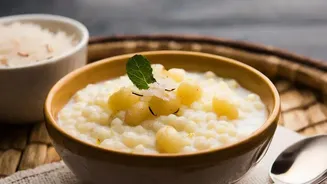
and has a neutral flavour profile. This lack of inherent taste is its greatest strength. It allows sabudana to act like a sponge, absorbing the flavours of whatever it's cooked with, be it savoury spices or sweet, fragrant milk. Its other superpower is texture. When cooked, the pearls become translucent, soft, and delightfully chewy, a quality that has made them a global sensation in bubble tea and a beloved component in Indian puddings.
A Fasting Favourite and Savoury Staple
In India, sabudana has long been synonymous with fasting food, or 'vrat ka khana'. Dishes like Sabudana Khichdi, Sabudana Vada, and various upmas are popular during religious festivals like Navratri because they are gluten-free and provide a quick source of energy after long hours of fasting. The pearls are typically combined with potatoes, peanuts, and mild spices to create a light yet filling meal. While Sabudana Kheer has always been a popular sweet preparation, its primary identity in the mainstream culinary imagination has remained firmly in the savoury camp. It's seen as a comforting, simple food, not typically associated with the rich indulgence of classic Indian mithai.
The Sweet Leap into Rasmalai
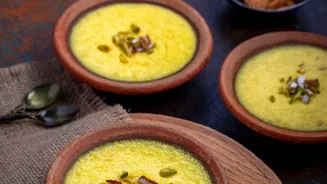
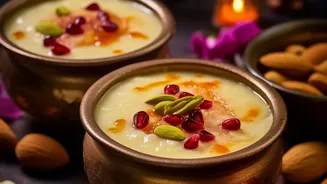
The transition to a dish like rasmalai is a stroke of culinary genius. Traditional rasmalai features soft discs of 'chenna' (a fresh, unripened cheese) soaked in sweetened, thickened milk, often flavoured with cardamom and saffron. In the sabudana variation, the tapioca pearls take the place of the chenna. Soaked sabudana is often ground with milk powder and a little sugar to form a bindable dough, which is then shaped into small balls or discs. These are then gently simmered in the sweetened milk, or 'rabri'. The pearls absorb the creamy, fragrant liquid, becoming plump, soft, and juicy. The result is a dessert that has the familiar flavour of rasmalai but with a unique, satisfyingly chewy texture that is both novel and comforting.
Why This Fusion Works So Well
This innovative dessert highlights a larger trend in modern Indian cuisine: the creative reinterpretation of traditional ingredients. The success of Sabudana Rasmalai lies in its clever use of sabudana's inherent properties. Its ability to absorb flavour means it perfectly captures the essence of the saffron and cardamom-infused milk. Its chewy texture provides a delightful contrast to the creaminess of the rabri, creating a more complex mouthfeel than traditional rasmalai. Furthermore, it offers a gluten-free alternative and can be a welcome change for those looking to experiment with classic dessert formats. This fusion is not just a random combination but a thoughtful pairing that respects the flavours of the original while offering an exciting new textural experience.