

The Anatomy of a Perfect Chai
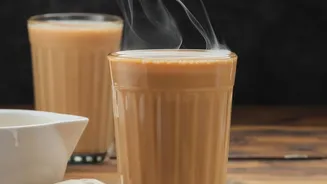
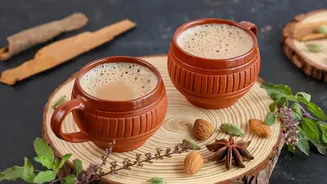
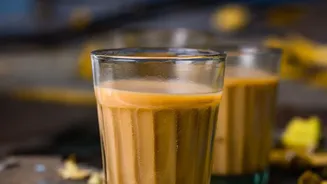
Before we can understand its pairing power, we need to look at what’s in the cup. Masala chai isn’t just one flavour; it’s a complex blend of multiple layers. First, you have the foundation: a strong black tea, often an Assam CTC (Crush-Tear-Curl) variety,
known for its robust character and ability to stand up to milk and spices. This tea base provides bitterness and astringency from compounds called tannins. Next comes creamy milk, which softens the tea's sharp edges, and a touch of sweetness from sugar, which balances the spice. Finally, the soul of the drink: the masala. This is a symphony of spices, each playing a crucial part in the final composition.
A Symphony of Spices
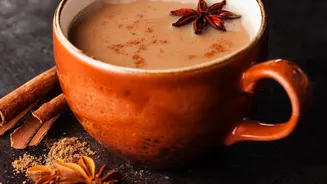
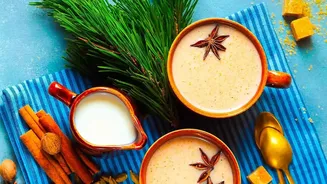
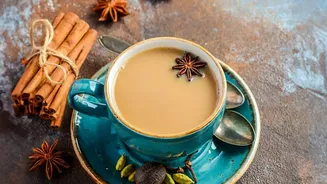
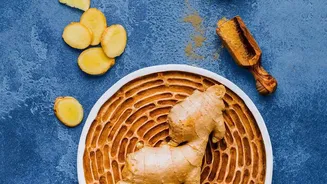
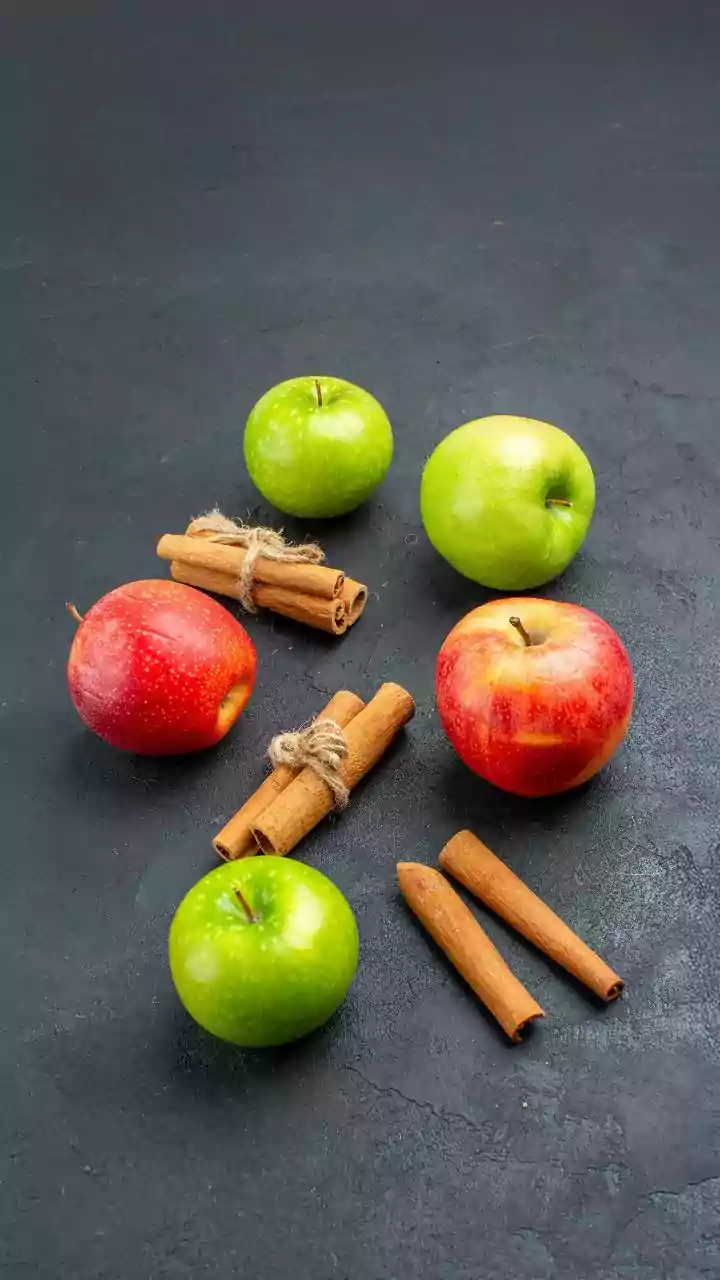
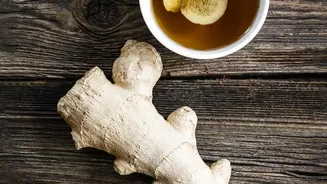
The typical chai spice blend is a masterclass in flavour dynamics. Ginger provides a bright, fiery kick. Cardamom adds a sweet, floral, and almost cooling aroma that many associate with the feeling of home. Cinnamon brings a familiar, woody warmth, while cloves offer a deep, pungent earthiness. Finally, a crack of black pepper adds a sharp, lingering heat that lifts the entire blend. While recipes vary, these core five spices create a drink that is simultaneously warming, cooling, sweet, and spicy. This complexity is the secret to its adaptability, giving it multiple 'hooks' to connect with different foods.
The Savoury Connection: Cutting Through the Richness
Think about classic savoury chai snacks: samosas, pakoras, or vada pav. They are often fried, rich, and full of their own complex spices. This is where chai’s structure shines. The tannins in the strong black tea have an astringent quality that cuts through fat, cleansing your palate in the same way a red wine does with a rich steak. Each sip refreshes your mouth, making the next bite of a crispy, flaky samosa taste just as good as the first. Furthermore, the warming spices in the chai, like ginger and black pepper, complement the savoury spices found in the snacks, creating a harmonious and deeply satisfying experience.
The Sweet Spot: Complement and Contrast
When it comes to sweet snacks, chai plays a different but equally effective role. For lightly sweet treats like butter biscuits (nankhatai or shortbread), the pairing works through both complement and contrast. The sweet, aromatic spices in the chai, particularly cinnamon and cardamom, echo and enhance the simple sweetness of the biscuit. At the same time, the inherent bitterness of the tea and the sharp notes from ginger provide a much-needed contrast, preventing the combination from becoming overly sugary. The creamy milk in the chai bridges the two, its richness a perfect match for the buttery texture of a good biscuit.
Putting It to the Test
The theory is one thing, but the experience is everything. Take a classic potato and pea samosa. The first bite is a burst of savoury spice and rich, carby goodness. A sip of hot, sweet chai immediately follows, its tannins cutting through the oiliness while its ginger and pepper notes high-five the spices in the filling. Now, try a simple, crumbly butter cookie. The cookie’s sweetness is amplified by the chai’s cinnamon, while the tea’s briskness prevents it from feeling cloying. The milk softens the cookie, creating a melt-in-a-mouth moment. In both cases, the chai doesn't just coexist with the snack; it elevates it, creating a third, more complete flavour.