







From Anecdote to Evidence
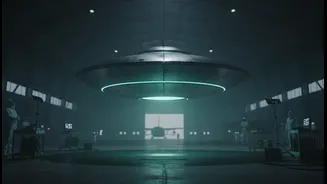
For decades, the study of unidentified flying and submerged objects has been trapped in a data vacuum. Without a standardized, scientific framework, the field has been dominated by compelling stories that are ultimately impossible to verify. This lack
of high-quality, reproducible data is the single biggest hurdle to drawing firm conclusions about UAPs. In science, extraordinary claims require extraordinary evidence. Fuzzy videos and personal narratives alone do not meet this standard. The solution, according to experts, is to shift the focus from belief to methodology, establishing clear standards of evidence that can be applied to any reported event, no matter how strange.
What Do 'Scientific Standards' Mean?
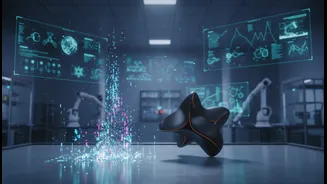
Applying scientific standards to UAPs means moving beyond simple observation to structured data collection. NASA's independent study on the topic recommends a multi-faceted approach. This includes using multiple, well-calibrated sensors to observe an event simultaneously—for example, combining high-resolution optical cameras with radar and infrared readings. It also involves documenting crucial metadata, such as sensor type, weather conditions, and precise location, which helps rule out instrument errors or known phenomena. Finally, it means creating a centralized system for reporting and analysis, where data can be scrutinized and peer-reviewed, much like in any other scientific field. This process allows scientists to separate genuine anomalies from sensor glitches or misinterpretations, like the parallax effect that can make distant objects appear to move at impossible speeds.
The Push for Official Frameworks
Recognizing the need for a more structured approach, the U.S. government has established formal bodies to investigate these phenomena. NASA appointed a director of UAP research to oversee the implementation of a scientific vision for the topic. The agency is committed to using its resources—from Earth-observing satellites to expertise in data analysis—to build a more reliable dataset. Concurrently, the Department of Defense created the All-domain Anomaly Resolution Office (AARO). AARO's mission is to lead a government-wide effort to detect, track, and analyze UAP using a rigorous scientific framework, with a primary focus on national security. Both organizations aim to destigmatize reporting and provide a credible, official channel for analysis, moving the topic out of the shadows and into the scientific mainstream.
The Underwater Dimension
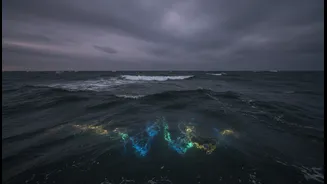
While aerial phenomena get most of the attention, the term UAP has been expanded to include unidentified submerged objects (USOs), sometimes called transmedium objects if they travel between air and sea. The challenges of studying this domain are even greater than in the skies. Water degrades image quality, and detecting objects in vast, deep oceans is incredibly difficult. However, the same principles of scientific investigation apply. Reports from credible witnesses, including navy pilots, have described objects exhibiting capabilities that defy our current understanding of physics, such as moving seamlessly from air to water without losing speed. Applying a standardized data collection framework—using advanced sonar and other underwater sensors—is the first step toward understanding these mysterious marine encounters, which AARO is now tasked with investigating alongside aerial events.