

A Landmark Return
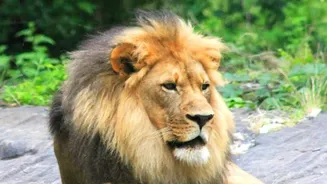
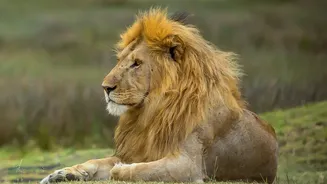
In a significant achievement for Indian wildlife conservation, a pride of 17 Asiatic lions has been successfully established in Gujarat's Barda Wildlife Sanctuary. This group, consisting of six adults and eleven cubs, marks the first time a thriving lion population
has inhabited the sanctuary since they vanished from the area in 1879. The milestone is the culmination of years of dedicated effort under 'Project Lion', a government initiative aimed at securing the future of this majestic species. The process began in January 2023 when a lone male lion naturally migrated from the Gir landscape to Barda, a journey of nearly 100 kilometres. Following this natural dispersal, the Gujarat Forest Department introduced five females to establish a breeding population, leading to the healthy pride that now roams the 192-square-kilometre sanctuary.
Why a Second Home Is Crucial
For over a century, the world's entire wild population of Asiatic lions was confined to a single location: the Gir National Park and the surrounding landscape in Saurashtra. While conservation efforts have been incredibly successful—growing the population from a mere handful in the early 1900s to nearly 900 by 2025—this concentration has long worried experts. A single population is dangerously vulnerable to catastrophic events like disease outbreaks, natural disasters, or forest fires. An epidemic of canine distemper virus in 2018, which killed dozens of lions in a short period, highlighted this very risk. Establishing a second, geographically separate population in Barda acts as a vital insurance policy, ensuring that a single disaster cannot wipe out the entire species.
Paving the Way for the Kings
The return of lions to Barda was not a matter of chance, but of careful planning. The sanctuary was identified as a potential second home for lions as far back as the 1990s due to its similar terrain and climate to Gir. The 'Project Lion' initiative accelerated these plans, focusing on habitat restoration and, crucially, increasing the prey base. Since the lions' arrival, the forest department has been actively translocating herbivores like spotted deer and sambar from Gir to Barda. A recent study published in the journal 'PLOS One' confirmed that Barda provides suitable habitat and resources to sustain a long-term lion population, with radio-collared lions showing they have successfully established home ranges and social structures within the sanctuary.
The Future of Lion Conservation
The establishment of the Barda population is a celebrated chapter in the story of the Asiatic lion's comeback. It demonstrates a forward-thinking approach to conservation that moves beyond just increasing numbers to ensuring long-term ecological security. For decades, the idea of translocating lions has been a subject of debate, including a long-standing proposal to move some lions to Kuno National Park in Madhya Pradesh. By successfully establishing a satellite population within Gujarat, the state has reinforced its commitment to protecting its natural heritage. As the lion population in Gir continues to grow and disperse naturally, Barda provides a protected, managed, and ready-made habitat for them to thrive in, securing the roar of the Asiatic lion for generations to come.