




The Wind's Treachery
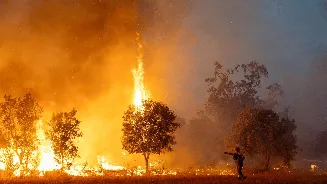
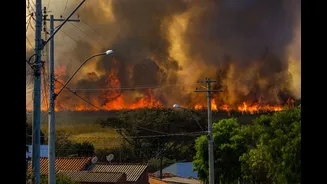
In firefighting, a containment line is a formidable barrier—a strip of land cleared of all flammable material, designed to halt a wildfire in its tracks. But this summer, these crucial defences are failing. Strong, shifting winds are carrying burning
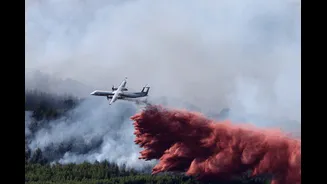
embers more than a mile ahead of the main fire front, starting new blazes known as spot fires in areas thought to be safe. This phenomenon turns a single battle into a multi-front war, overwhelming resources. In Greece, fires raging west of Athens have been particularly difficult, with officials noting that strong winds have grounded water-bombing aircraft for extended periods, leaving ground crews dangerously exposed and forcing evacuations by sea.
A Continent on High Alert
From the parched hills near Athens to the forests of Spain and France, a grim pattern has emerged. While some major blazes in Spain and France have recently been stabilised or contained, the danger is far from over. Greece remains on high alert, with hundreds of firefighters from Romania and France bolstering local crews against flare-ups. The European Forest Fire Information System (EFFIS) reports that as of late July, over 434,000 hectares have burned across the EU this year—significantly above the 20-year average. The fires have been so intense that they are creating their own weather systems, further complicating any attempts to predict their path and making control nearly impossible.
The Human Cost
The toll of these fires is measured in lost homes, scorched olive groves, and destroyed livelihoods. In Spain, one fire near Madrid forced the evacuation of over 60,000 people. In Greece, residents of coastal communities like Porto Germeno have seen their homes and heritage consumed by flames. The fight is also taking a devastating toll on those on the front lines. A tragic mid-air collision between two firefighting helicopters near Athens killed two crew members, a stark reminder of the immense risks involved. Firefighter fatigue has become a major safety concern, as crews work almost continuously to protect lives and property.
A Climate of Extremes
This year's catastrophic fire season is not a random event. It is a direct consequence of a climate in crisis. Europe is the planet's fastest-warming continent, heating at more than twice the global average. Months of record-breaking heat and prolonged drought have created a tinderbox landscape. Scientists have observed that while firefighting has become more effective over the past decades, the underlying conditions have become far more dangerous. The number of summer days with weather conditions conducive to severe wildfires has more than doubled in parts of southern Europe since 1981, fuelling fewer, but much larger and more intense, catastrophic events.