


The Powerhouse Staple: Ragi Mudde
In Karnataka, ragi mudde is more than just food; it's a cultural icon. These dense, soft balls are made by cooking ragi flour in boiling water until it forms a smooth, pliable dough. Traditionally eaten by farmers for sustained energy, this dish is the
definition of a power-packed meal. The common practice is to swallow small portions of the mudde after dipping them in a flavourful sambar or 'saaru', a practice believed to aid in slow digestion and gradual energy release. Exceptionally rich in calcium and dietary fibre, ragi mudde is a nutritionally complete meal when paired with lentil-based curries.
The Breakfast Champion: Porridge, Dosa, and Idli
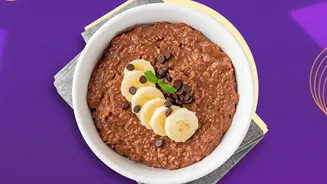
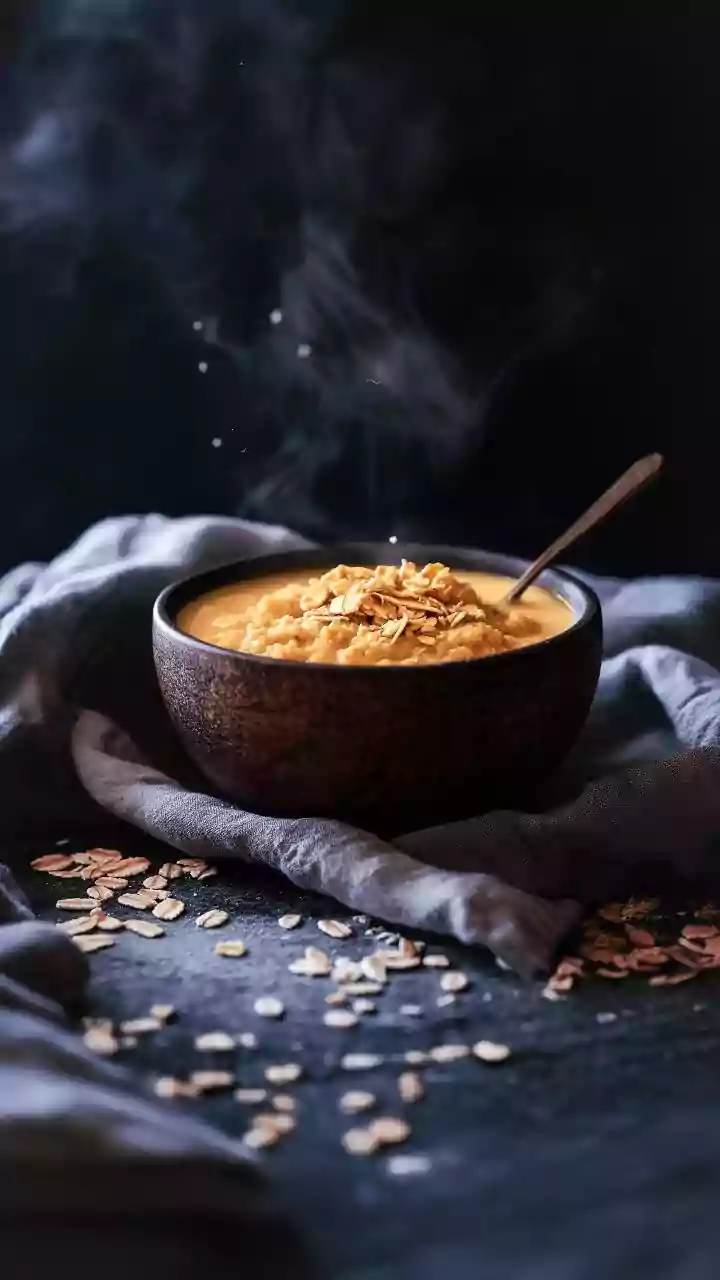
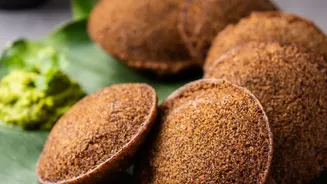
Ragi shines in the morning meal. Ragi malt, a warm porridge, is a beloved breakfast across South India, often sweetened with jaggery and enriched with milk. It's known for being gentle on the stomach and is often one of the first foods introduced to babies. For those who prefer a savoury start, ragi can be seamlessly adapted into breakfast classics. Ragi dosa, which can be made instantly or with a fermented batter, offers a crisp, earthy alternative to the rice-based original. Similarly, ragi idlis are soft, fluffy, and pack a greater nutritional punch with more fibre and minerals than their rice counterparts.
The Everyday Flatbread: Roti and Bhakri
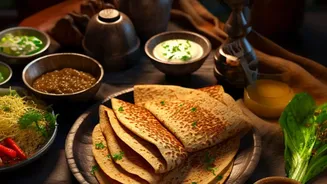
Across Maharashtra and Karnataka, ragi flour is commonly used to make rustic flatbreads known as bhakri or roti. Unlike wheat rotis, these are gluten-free and typically patted into shape by hand before being cooked on a hot tawa. The dough is often enhanced with finely chopped onions, green chillies, coriander, and other spices, making the roti flavourful enough to be eaten with just a side of chutney or yoghurt. These flatbreads are dense, filling, and have a low glycemic index, making them an excellent choice for managing blood sugar levels and weight.
The Healthy Indulgence: Laddoos and Halwa
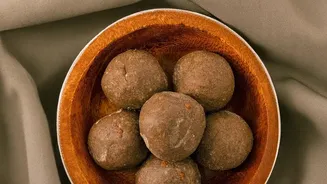
Ragi's versatility extends to the world of Indian sweets. Ragi laddoos are a popular, healthy treat made with just a few ingredients: roasted ragi flour, jaggery, ghee, and chopped nuts. These nutrient-dense balls are a fantastic way to satisfy a sweet craving while getting a dose of calcium and iron. Another delightful preparation is ragi halwa, a wholesome dessert similar to sooji halwa. The ragi flour is roasted in ghee and then cooked with milk and a sweetener like sugar or jaggery until it reaches a rich, pudding-like consistency, often flavoured with cardamom.
The Modern Makeover: Bakes and Snacks
Contemporary Indian kitchens are finding innovative ways to incorporate ragi. Its nutty flavour and nutritional benefits make it a great addition to modern baking. Health-conscious bakers now use ragi flour to make everything from chocolate cakes and brownies to savoury biscuits and pancakes. It's also being used to create healthier versions of popular snacks. You can find ragi noodles, pasta, and even ragi-based samosas, offering a nutritious twist on old favourites. These modern adaptations are helping to introduce the ancient grain to a new generation of food lovers.