






The Cardinal Rule: Divide Your Day
The most common mistake first-time visitors make is trying to do everything at once. A successful trip requires a plan. The golden rule is simple: divide your day. Dedicate mornings to classic sightseeing and save your evenings and late nights for pandal
hopping. Crowd patterns are predictable: mornings at pandals are relatively quiet, while afternoons and evenings see massive crowds. Conversely, tourist attractions are more manageable in the morning before the festive throngs are fully awake. This approach allows you to see Kolkata's landmarks without battling the peak Puja rush and experience the pandals when they are at their most dazzling, fully illuminated after sunset.
Morning Mission: Conquer Classic Kolkata
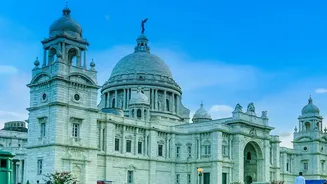
Use the daylight hours, from roughly 8 AM to 1 PM, to tick off Kolkata's iconic sights. Start with the majestic Victoria Memorial and the adjacent St. Paul's Cathedral. These landmarks are relatively peaceful in the morning. From there, you can explore other central sites like the Indian Museum. For a glimpse into the artistry behind the festival, a morning visit to Kumartuli, the potters' quarter where the idols are born, is essential. You can see artisans giving final touches to idols for future festivals. Public transport, especially the Kolkata Metro, is your best friend. It's the most efficient way to move between major zones when many roads are restricted.
Pandal Strategy: North vs. South
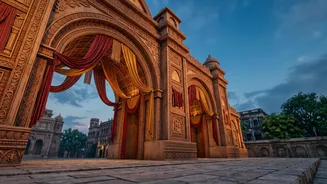
Kolkata's pandal scene is split geographically and philosophically. North Kolkata is the heart of tradition, known for heritage 'Bonedi Bari' (ancestral home) pujas and classic, devotional pandals. Areas like Bagbazar and Shobhabazar offer an intimate, nostalgic experience. In contrast, South Kolkata is the arena for grand, high-budget 'theme' pujas, where artists create spectacular, avant-garde installations that can replicate world monuments or use unconventional materials. Trying to cover both in one night is a recipe for exhaustion. A smarter strategy is to dedicate one evening to North Kolkata and another to South Kolkata, allowing you to immerse yourself in each area's unique atmosphere without spending hours in transit.
The Art of Pandal Hopping
Pandal hopping is a nocturnal activity. The real magic begins after sunset when the lights transform the city into an open-air gallery. For the best experience, embrace the local rhythm and go late. The largest crowds gather between 8 PM and midnight; if you can start your tour after 1 AM, you will find queues significantly shorter at even the most famous pandals. Comfortable footwear is non-negotiable, as you will be walking several kilometres. The Kolkata Metro extends its services, often running all night during the peak days, making it the most reliable transport. Popular South Kolkata pandals to consider include Ekdalia Evergreen, Suruchi Sangha, and Chetla Agrani, while Bagbazar Sarbojanin and Kumartuli Park are North Kolkata staples.
Fuel Your Adventure: A Puja Food Trail
Durga Puja is as much a culinary festival as it is a religious one. The streets come alive with food stalls offering an incredible variety of snacks and meals, perfect for fueling your long nights of walking. Forget fine dining; the real taste of Puja is on the street. Essential eats include Kolkata's iconic kathi rolls, crispy fish fry served with pungent kasundi, and phuchka, the city's beloved version of pani puri. Many community pandals also serve 'bhog'—a simple but divine vegetarian meal, usually featuring khichuri, which is offered to the goddess and then distributed to visitors. Don't leave without sampling some of Bengal's famous sweets, or 'mishti', like rosogolla or mishti doi.
Beyond the Pandals: Other Festive Experiences
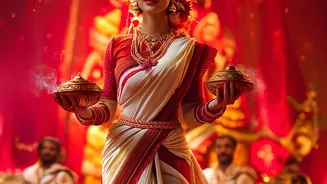
While pandal hopping is the main event, other experiences enrich a Puja trip. The entire city is decorated with elaborate light installations, especially at major crossings like College Square and Park Street, which are worth seeing on their own. On the final day, Vijaya Dashami, witness the 'Sindoor Khela', where married women offer vermilion to the goddess and each other. This is followed by the immersion processions, where the idols are taken to the Hooghly River for a grand farewell. Watching this from one of the ghats offers a poignant and unforgettable conclusion to the festivities. For a different perspective, consider a ferry ride on the Hooghly at night to see the illuminated cityscape from the water.