







Selecting the Perfect Stones
The first step is choosing rocks that complement your landscape. For a cohesive design, it’s best to use stone that is either native to your area or matches the existing materials in your garden. A mix of sizes is crucial for a natural appearance. Use
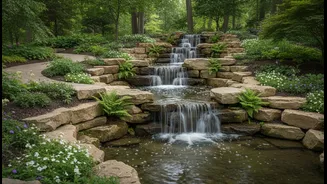
large boulders to frame the waterfall and create its main structure. Flat stones, like flagstone or slate, are ideal for creating the cascading ledges where water spills over. Finally, use smaller gravel and river rocks to fill gaps, soften edges, and hide the pond liner along the banks. When selecting rock types, be mindful of their properties. Harder, less porous stones like granite are durable and won't significantly alter your pond's water chemistry. Softer, more porous rocks like limestone can break down over time and raise the pH of the water, which may encourage algae growth.
Concealing the Pump and Hardware
The primary goal is to hide the pump without hindering its function. Never place rocks directly on the pump in a way that blocks water intake or restricts access for maintenance. A common solution is to use a pump protector bag or a filter box, which shields the pump from debris. These can then be more easily hidden. For external pumps, specially designed hollow artificial rocks are an excellent option. These 'mock rocks' are lightweight and often come with built-in vents to ensure the pump receives adequate airflow to prevent overheating. When placing real stones around a submersible pump, build a small, stable 'cave' or box around it using larger, flat stones, leaving plenty of room for water to circulate freely. This keeps the pump hidden while ensuring it can be easily accessed when needed.
Achieving a Natural, Integrated Look
Nature rarely works in straight lines or perfect stacks. To create an authentic look, mimic the randomness of a natural stream. Place your largest 'character' boulders first to establish the focal points of the waterfall. Then, build around them with medium and smaller stones. Turn the waterfall spillway or hose so the water has to navigate around and between rocks, creating interesting twists and turns. Don't let the rockwork stop abruptly at the water's edge. Taper the stones out into the surrounding garden bed to blur the lines between the water feature and the landscape. Integrating moisture-loving plants like ferns, mosses, and groundcovers around the edges will soften the hard lines of the stones and make the waterfall feel like it has always been there.
Hiding Tubing and Liners
Besides the pump, black tubing and pond liners are other elements that can detract from the natural aesthetic. Use smooth river rocks and gravel to cover the liner at the bottom of the pond and along any shallow shelves. This not only hides the liner but also protects it from UV degradation and provides a surface for beneficial bacteria to grow. For the tubing that carries water to the top of the waterfall, you can tuck it behind the main rock structure. Use larger stones to hold it in place and then fill in the gaps with smaller rocks and gravel. Some landscapers use a specialized waterfall foam sealant to secure rocks and direct water flow, which can also help hold tubing in place behind the scenes.
Common Mistakes to Avoid
When camouflaging your hardware, be careful not to create new problems. Avoid using very small gravel directly around a pump intake without a filter box or mesh bag, as the stones can get sucked in and damage the motor. Ensure any rock structures you build are stable; a wobbly boulder can be a safety hazard and could damage the pond liner if it falls. Another common error is using too many different types of rock, which can make the feature look busy and unnatural. Stick to one dominant type of stone for a more harmonious and believable result. Finally, always plan for maintenance. Make sure you can easily access and remove the pump without having to dismantle your entire rock creation.