



Kashmir’s Noon Chai
Travel north to the valleys of Kashmir, and you'll discover Noon Chai, a beautiful, blush-pink tea. Unlike its sweet counterparts, this chai is salty. Made from special gunpowder green tea leaves, milk, salt, and a pinch of baking soda, its unique colour
comes from a specific brewing process. Traditionally prepared in a samovar, it is often garnished with chopped almonds and pistachios, making it a warm, savoury, and comforting drink perfect for the cold climate.
Ladakh’s Gur Gur Chai
In the high-altitude desert of Ladakh, Gur Gur Chai provides essential warmth and energy. This is a traditional butter tea, made by churning tea leaves with salt and yak butter. The result is a creamy, rich, and savoury beverage that is more of a nourishing soup than a simple tea. For the people of Ladakh, this calorie-dense drink is a symbol of hospitality and a vital remedy against the harsh, cold winters.
Mumbai’s Cutting Chai
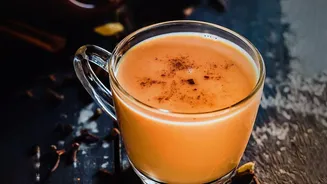
In the bustling metropolis of Mumbai, time and money are precious. This is where 'cutting chai' comes in. The term 'cutting' refers to a half-portion of the strong, milky, masala-infused tea, served in small glasses at roadside stalls known as 'tapris'. It's potent, economical, and just enough for a quick, refreshing break during a hectic day, making it an integral part of the city's fast-paced work culture.
Hyderabad’s Irani Chai
A legacy of Persian immigrants, Hyderabadi Irani chai is a thick, creamy, and sweet concoction. Its uniqueness comes from the preparation method, where the tea decoction and milk are cooked separately. The milk is often boiled for a long time, sometimes with mawa (khoya) or condensed milk, until it becomes rich and thick. The strong, spiced tea decoction is then poured into a cup, followed by the creamy milk, creating a truly decadent experience often enjoyed with Osmania biscuits.
Kolkata’s Lebu Cha
Head east to Kolkata, where the zesty Lebu Cha rules the streets. This isn't your typical milk tea. It's a tangy and refreshing black tea infused with a generous squeeze of fresh lemon. What makes it special is the 'moshla' or spice mix, often a secret recipe of the vendor, which can include black salt and roasted cumin powder, giving it a delightful sweet, salty, and sour kick.
Assam’s Ronga Saah
From the tea gardens of Assam comes Ronga Saah, which translates to 'red tea'. As the name suggests, this tea is known for its vibrant reddish-brown colour. It is a purist's delight, typically served without milk or sugar, allowing the strong, malty, and brisk flavour of the Assam tea leaves to shine through. It's a simple, robust brew that reflects the heart of India's largest tea-growing region.
Kerala’s Sulaimani Chai
Journey south to the Malabar Coast to find Sulaimani Chai, a fragrant and light black tea. Believed to have Arab origins, this brew is served without milk and is infused with spices like cardamom, cloves, and cinnamon. A squeeze of lemon and sometimes a mint leaf are added at the end, giving it a refreshing finish. It's often enjoyed after heavy meals as a digestive aid.
The Classic Masala Chai
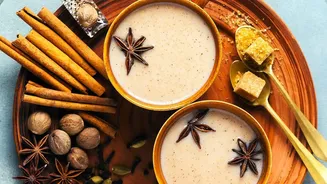
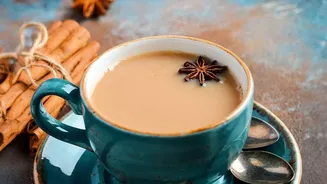
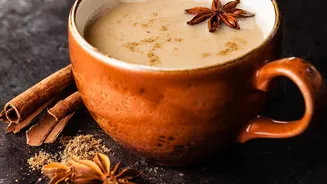
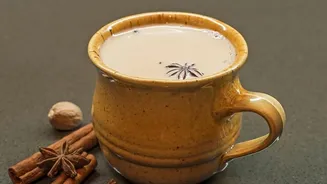
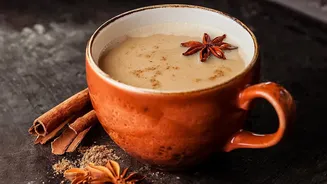
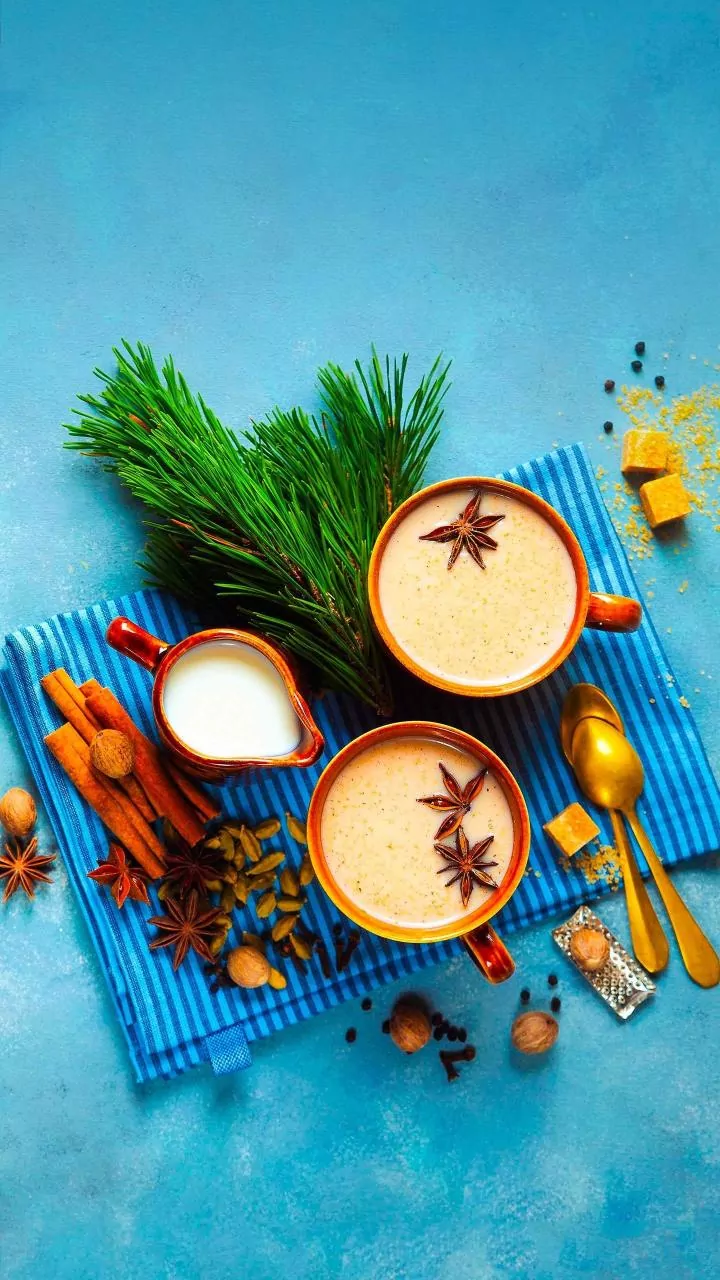
Found all across India, Masala Chai is perhaps the most internationally recognized version of Indian tea. While recipes vary from household to household, it is typically a strong black tea brewed with milk and a blend of aromatic spices. Common spices include cardamom, ginger, cloves, cinnamon, and black pepper, creating a warming, fragrant, and invigorating drink that has become a daily ritual for millions.
Darjeeling’s Champagne of Teas
Grown in the Himalayan foothills, Darjeeling tea is often called the 'Champagne of Teas' for its delicate, floral, and aromatic qualities. Unlike the robust Assam teas, Darjeeling is much lighter in body and colour, with a distinctive 'muscatel' flavour. It is best enjoyed without milk or sugar to fully appreciate its complex and nuanced taste profile, which changes depending on the harvest season or 'flush'.
Gujarat's Ukado
Ukado is a traditional herbal tea from Gujarat, revered for its immune-boosting properties. It's an herbal concoction, or kadha, prepared by boiling a blend of spices like turmeric, ginger, cloves, and black pepper with water. This milk-free brew is particularly popular during the cold and flu season, serving as a warming and medicinal drink that soothes the senses. While not a conventional 'chai' with tea leaves, it holds a firm place in the region's hot beverage culture.