




A Jewel at High Altitude
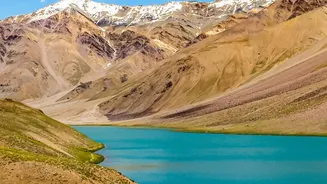
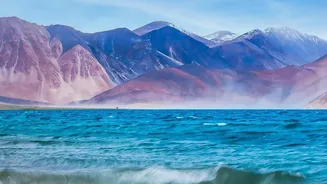
Tso Moriri, which translates to 'Mountain Lake', sits at a dizzying altitude of over 4,500 metres (around 14,836 feet). It is the largest high-altitude lake located entirely within India. This stunning body of brackish water stretches nearly 26 kilometres
in length and is fed by glacial melt from the surrounding peaks. Recognizing its unique ecosystem, the area is protected as the Tso Moriri Wetland Conservation Reserve and is designated as a Ramsar site, the highest in the world. This status means that activities like camping or building structures directly on its banks are prohibited to preserve its pristine condition.
The Guarding Peaks and Barren Beauty
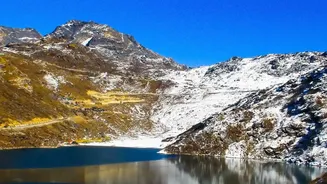
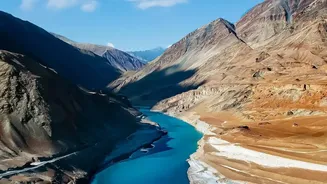
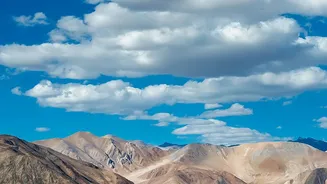
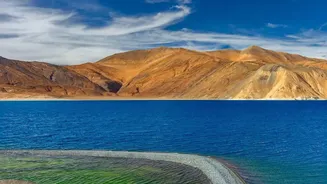
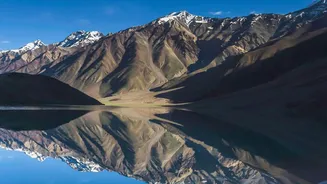
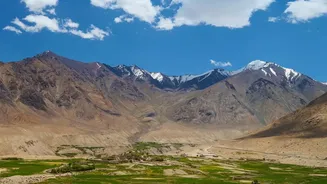
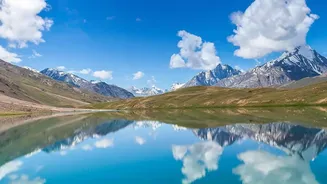
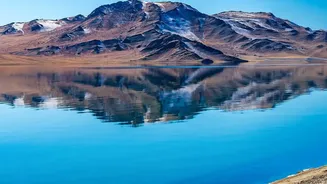
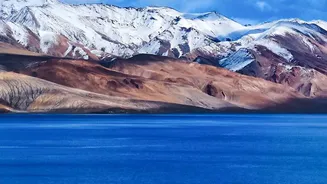
The lake is cradled within the vast Rupshu Valley, an extension of the immense Changthang Plateau. This landscape is defined by its towering, barren mountains that often exceed 6,000 metres (20,000 feet). Prominent peaks like Lungser Kangri and Chamser Kangri stand sentinel to the east, while Mentok Kangri rises to the west. These mountains are not lush and green but possess a stark, dramatic beauty with shades of brown, grey, and ochre that shift with the light. The sheer scale of the landscape is immense; the mountains provide a colossal backdrop to the deep blue waters of the lake, creating picture-perfect reflections on calm days.
A Fragile High-Altitude Ecosystem
Despite the harsh, cold desert conditions, the Tso Moriri region is a crucial habitat for a variety of wildlife. The wetlands and marshes surrounding the lake are vital breeding grounds for numerous bird species. Birdwatchers flock here, especially in summer, to spot rare species like the black-necked crane and the bar-headed goose, for which this is a key breeding site in India. The surrounding plains are home to the Tibetan wild ass, known locally as Kiang, which can often be seen grazing in herds. Other mammals in the area include Himalayan marmots, blue sheep (Bharal), and if you're exceptionally lucky, the elusive Tibetan wolf or even the snow leopard.
The Resilient Changpa Nomads
The human element of this landscape is as fascinating as its natural features. The Tso Moriri region is home to the Changpa, a community of semi-nomadic pastoralists who have lived in this challenging environment for centuries. They migrate across the high-altitude pastures with their herds of yaks, sheep, and the famous pashmina goats. These goats produce the fine wool used to make world-renowned cashmere shawls, a trade that has long sustained the Changpa. Visiting the village of Korzok on the lake's northwestern shore offers a chance to respectfully observe their traditional lifestyle, which is deeply intertwined with the rhythms of nature.
Planning Your Visit: Practicalities
Visiting Tso Moriri requires careful planning. The best time to go is during the summer months, from around June to September, when the weather is most pleasant and the roads are reliably open. Due to the extreme altitude, proper acclimatisation is crucial to avoid Acute Mountain Sickness (AMS). It is highly recommended to spend at least a couple of nights in Leh (at a lower altitude) before heading to the lake. Because of its proximity to the Line of Actual Control, visitors need to secure permits. While the Inner Line Permit (ILP) system for Indian tourists was officially removed, travellers still need to pay environmental and wildlife fees and carry the receipt and valid ID. It's always best to check the latest regulations before you travel.