






Understanding the 'Hidden Gem' Effect
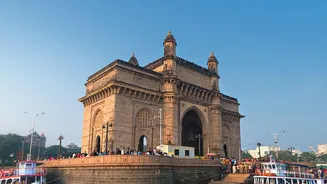
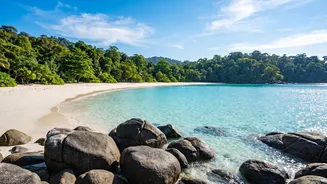
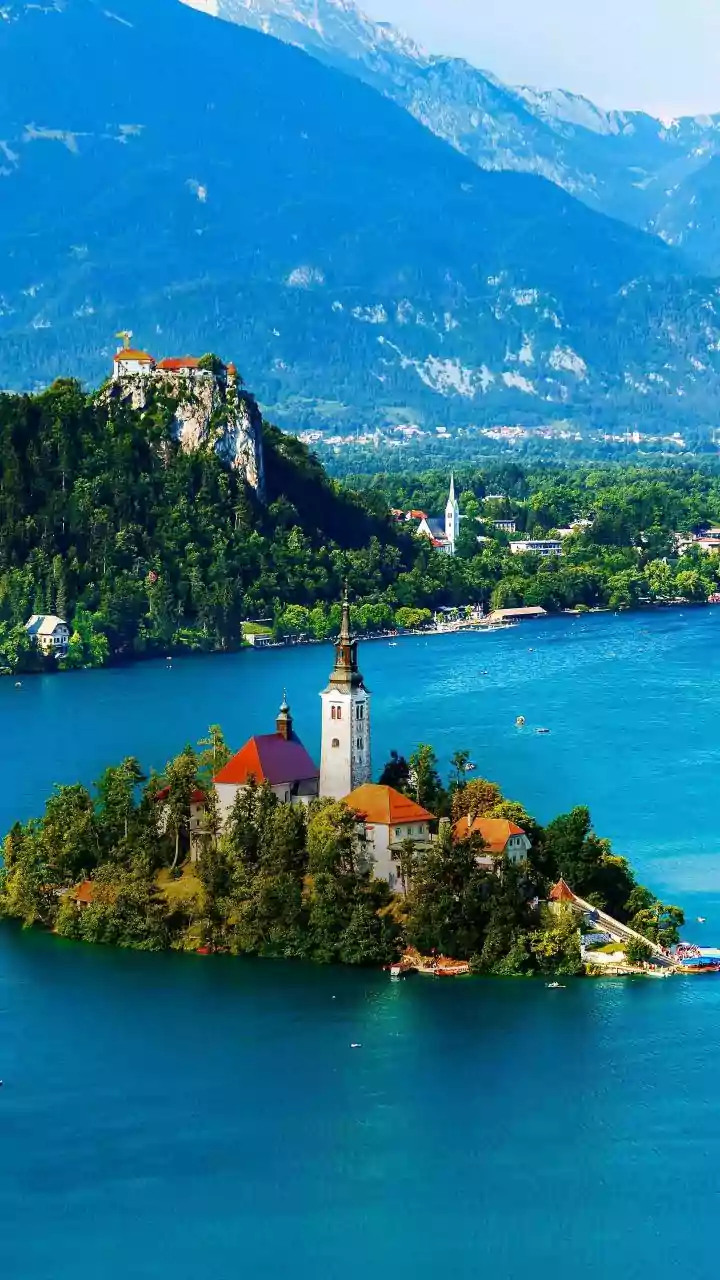
A quiet town or a pristine beach can become a global hotspot almost overnight, often thanks to social media. While tourism can bring economic benefits, this sudden popularity can strain a destination that isn't prepared for it. Overtourism leads to predictable
problems: overcrowded public spaces, pressure on infrastructure like water and waste management, and damage to fragile ecosystems. For residents, it can mean a higher cost of living and the loss of their town's authentic character. Responsible tourism is about actively working to counteract these negative impacts and ensuring that travel is a positive force for both visitors and locals.
Spend Your Money Where It Matters
One of the most direct ways to be a responsible tourist is to ensure your money benefits the local community. Instead of opting for international hotel chains, consider locally owned guesthouses or small hotels. Eat at family-run restaurants and cafés to experience authentic cuisine while supporting local entrepreneurs. When shopping for souvenirs, seek out local markets and artisans who sell handcrafted goods rather than mass-produced trinkets. This approach ensures that the economic benefits of your visit circulate within the community, supporting jobs and preserving the local way of life.
Respect the Environment: The Leave No Trace Ethos
A core component of responsible travel is environmental stewardship, often summed up by the 'Leave No Trace' principles. This means leaving a place as you found it. Always pack out everything you pack in, including all your rubbish. Stick to designated trails when hiking to prevent soil erosion and protect delicate vegetation. When visiting beaches or reefs, use reef-safe sunscreen to avoid releasing harmful chemicals into the water. Respecting wildlife is also crucial; observe animals from a distance and never feed them, as this can disrupt their natural behaviours.
Engage with Culture Thoughtfully
Responsible tourism extends to cultural interactions. Before you travel, take some time to learn about local customs, traditions, and basic phrases in the local language. This shows respect and can lead to more meaningful connections with local people. When visiting cultural or historical sites, follow the rules and be mindful of your behaviour. Hiring a local guide is an excellent way to gain deeper insights into the culture while also directly contributing to the local economy. Remember that you are a guest in someone else's home, and acting with humility and respect enhances the experience for everyone.
Post on Social Media with Purpose
In the age of Instagram, how we share our travels matters. Geotagging specific, especially remote or fragile, locations can lead to a surge of visitors that the area cannot handle. This has been shown to cause environmental damage and can even help poachers track wildlife. To be more responsible, consider tagging a general region, like a state or province, instead of the exact spot. Some destinations even encourage visitors to use a generic, supportive tag to promote responsible travel. The goal isn't to stop sharing beautiful places, but to do so in a way that protects them from being loved to death.