





The Mountain's Once-in-a-Dozen-Years Marvel
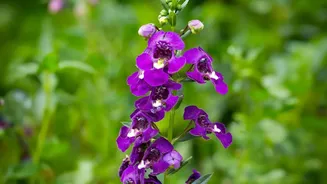
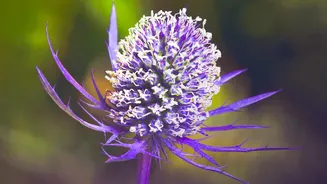
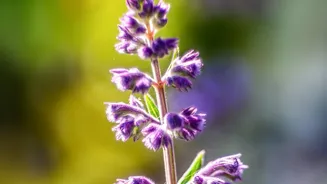
Neelakurinji, scientifically known as Strobilanthes kunthiana, is a shrub native to the shola forests of the Western Ghats. What makes it extraordinary is its highly synchronized blooming cycle. For 11 years, it grows quietly, and then, in the 12th year,
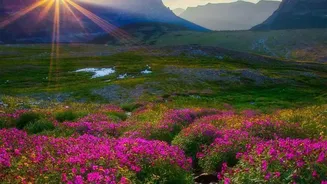
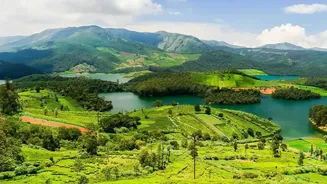
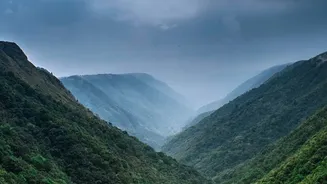
it bursts into a mass flowering event that blankets entire mountain ranges in a surreal purplish-blue hue. This rare phenomenon is so iconic that it is believed to have given the Nilgiri Hills their name, which literally translates to 'Blue Mountains'. After this magnificent display, which typically lasts from August to October, the plant dies. It is a monocarpic plant, meaning it flowers only once in its lifetime, releasing its seeds to begin the long count all over again.
A Flower Woven into Culture
For the indigenous communities of the region, the Neelakurinji is more than just a plant; it is a celestial clock and a cultural touchstone. The Paliyan and Toda tribes have traditionally used the 12-year blooming cycle to calculate their age and mark the passing of generations. A person might say they have seen four or five 'blooms' in their lifetime. For the Toda people of the Nilgiris, the flower is considered sacred and its arrival is associated with prosperity and good fortune. This deep connection between nature and culture underscores the flower's importance beyond its botanical rarity, making its preservation a matter of protecting living heritage.
The Law Steps In to Protect the Bloom
As the fame of the Neelakurinji grew, so did the threats against it. Tourists, eager to take home a souvenir of the spectacular sight, would often pluck the flowers or damage the delicate shrubs. This seemingly small act has devastating consequences, as it prevents the plant from producing seeds, thereby jeopardizing the next generation and the entire 12-year cycle. Recognizing this threat, the Ministry of Environment, Forest and Climate Change took a decisive step. In 2023, the Neelakurinji was officially listed under Schedule III of the Wildlife (Protection) Act, 1972, granting it legal status as a protected plant.
Hefty Fines and Serious Consequences
The legal protection isn't just a suggestion; it comes with significant penalties. Anyone caught plucking, uprooting, or destroying a Neelakurinji plant can face a fine of up to ₹25,000 and imprisonment for as long as three years. The law also prohibits the cultivation and even possession of the plant, ensuring that it remains wild and protected in its natural habitat. Forest officials in Tamil Nadu and neighbouring states actively patrol blooming areas, especially during peak season, to enforce the rules. In many ecologically sensitive zones, access is restricted entirely during flowering events to prevent disturbance and to mitigate human-wildlife conflict, as these areas are often corridors for wild elephants.
How to Witness the Spectacle Responsibly
The next major mass blooming is anticipated in 2030, following the last one in 2018. When the time comes, experiencing this natural wonder is still possible, but it requires a conscious and respectful approach. The key is to see, not to souvenir. Visitors should flock to designated viewing areas like Eravikulam National Park in Kerala, and sites in the Nilgiris that are managed for tourism. It is crucial to follow all guidelines set by the Forest Department, which include staying on marked trails, not littering, and absolutely never picking the flowers. Remember, the survival of this incredible spectacle depends entirely on our collective ability to admire its beauty from a distance, ensuring that the blue mountains can continue their legendary transformation for centuries to come.