

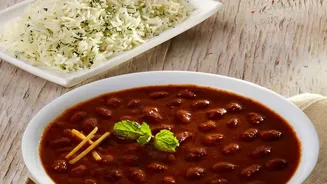

The Power Packed in a Pulse
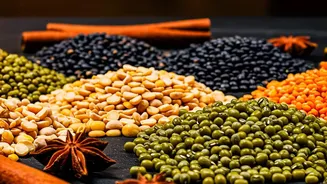
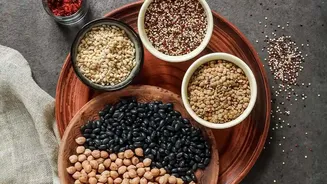
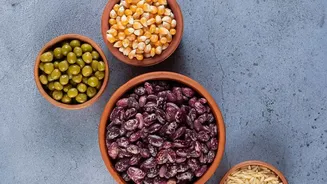
Pulses — the edible seeds of legume plants like lentils, beans, and peas — are nutritional champions. While the fitness world often focuses on powders and bars, these kitchen staples offer a robust protein profile. On average, uncooked pulses contain
about 21-25% protein, which is nearly double the amount found in cereal grains. A single cup of cooked lentils can provide nearly 18 grams of protein, while a cup of chickpeas offers around 15 grams. But their benefits don't stop there. Pulses are loaded with dietary fibre, which aids digestion, helps you feel full longer, and supports stable blood sugar levels. They are also rich sources of essential micronutrients like iron, folate, magnesium, and zinc, which contribute to overall health and diet quality.
Your Daily Dal Is a Great Start
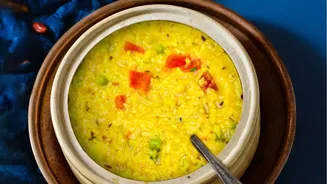
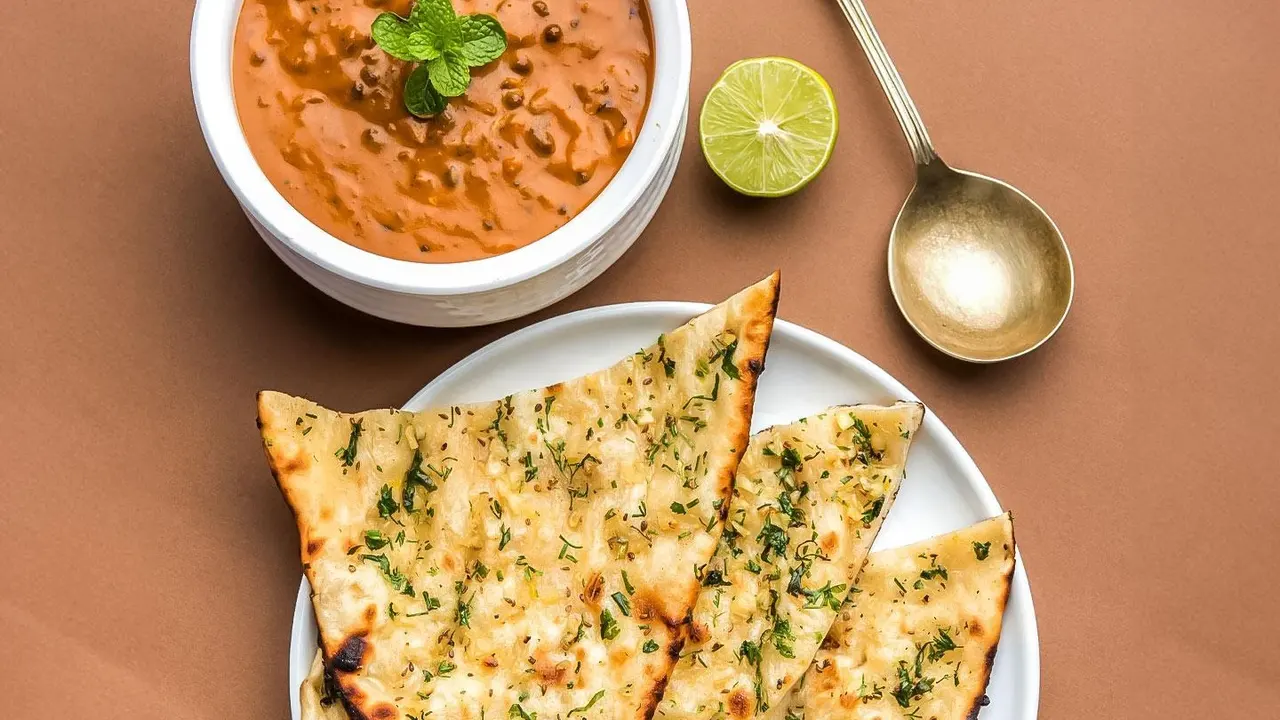
For many in India, pulses are already a dietary cornerstone. A comforting bowl of dal is more than just tradition; it's a significant protein source. Among common varieties, moong dal, masoor dal (red lentil), and chana dal (split Bengal gram) are some of the richest in protein, containing around 22 to 25 grams per 100g in their raw, uncooked form. When cooked, a standard bowl (or katori) of dal provides a solid 8 to 12 grams of protein. While rajma (kidney beans) and chana (chickpeas) are also excellent choices, delivering about 9 grams of protein per 100g when cooked, it's the combination that truly works magic. Most pulses are low in one essential amino acid called methionine, while grains like rice and wheat are low in another called lysine. Pairing them together — as in the classic dal and rice or dal with roti — creates a complete protein profile, giving your body all the essential building blocks it needs.
Simple Ways to Eat More Pulses
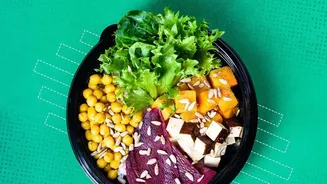
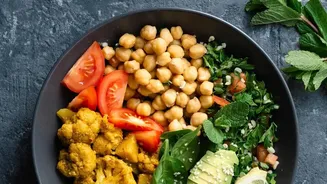
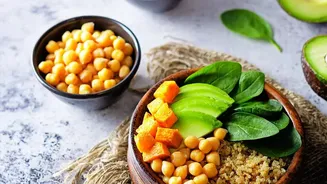
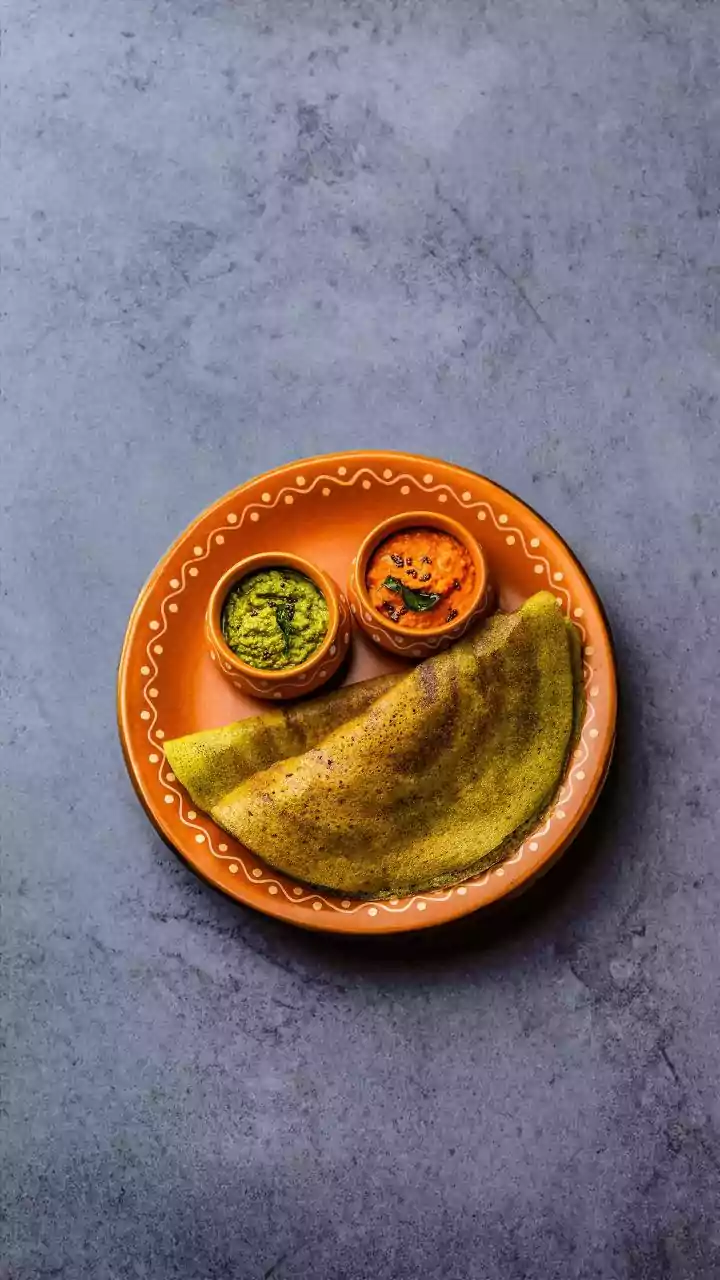
Increasing your pulse intake doesn't require a radical diet overhaul. It's about smart, simple additions. Start by aiming to include them in at least one meal a day. You can bulk up soups, stews, and vegetable curries by adding a handful of lentils or beans. Sprouted pulses, like moong, make a crunchy and nutritious addition to salads and sandwiches. You can also swap some of the minced meat in dishes like keema or bolognese with brown lentils to add fibre and cut down on saturated fat. Don't forget about snacks. Roasted chickpeas are a crunchy, savoury alternative to chips, and hummus made from chickpeas is a versatile dip for vegetables and whole-grain crackers. Even besan (chickpea flour) can be used to make protein-rich pancakes or cheelas, offering a tasty and nutritious breakfast option.
Pulses vs. Protein Shakes
While protein shakes offer convenience, they are a supplement, not a whole food. They often lack the fibre, vitamins, and minerals that come naturally packaged in pulses. Relying solely on shakes can mean missing out on these crucial nutrients that support heart health, digestion, and more. Pulses provide sustained energy release due to their low glycemic index and high fibre content, preventing the energy spikes and crashes sometimes associated with processed foods. Using pulses as your primary protein source also encourages more mindful and varied cooking. Instead of a quick shake, you get a satisfying, flavourful meal. While supplements have their place, especially for athletes with very high protein needs, a food-first approach built around versatile ingredients like pulses offers a more holistic and sustainable path to good health.