







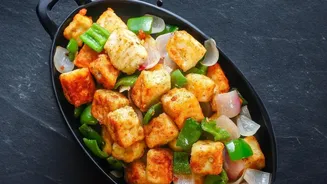
What is 'Analogue Paneer'?
First, let's break down the terminology. 'Analogue paneer' refers to products designed to look, feel, and taste like traditional paneer but are made with ingredients other than milk. Instead of being produced by curdling fresh milk, these alternatives
are often manufactured using a combination of vegetable oils, starches, emulsifiers, and various proteins. These products are typically cheaper to produce, which makes them an attractive option for some food businesses, especially for bulk usage in restaurants and catering. The core issue is that consumers may be buying or being served these products under the impression that they are consuming traditional, milk-based paneer.
The FSSAI's New Draft Proposal
On September 22, 2026, the Food Safety and Standards Authority of India (FSSAI) notified a draft amendment to its regulations. The proposal's main goal is to restrict manufacturers and sellers from using the word "paneer" for any product not made from milk. If the draft becomes law, even products already licensed under the 'Analogue in Dairy Context' category will have to stop using 'paneer' in their names, labels, and marketing materials. This means businesses will need to find new, unambiguous names for their non-dairy paneer alternatives. The FSSAI stated the move is to prevent consumers from being misled about a product's composition and nature.
Why is This Happening Now?
This federal proposal doesn't come out of the blue. It follows a series of crackdowns at the state level. In recent months, states including Maharashtra, Karnataka, and Gujarat have taken action against the sale of analogue paneer, with some imposing year-long bans on its production and sale. These actions were often prompted by inspections that found a significant percentage of samples failing quality standards. For instance, a surveillance exercise in Maharashtra found over 35% of paneer samples tested did not conform to standards. The FSSAI's new draft aims to create a uniform national standard, ensuring consistency across the country rather than relying on separate state-level orders.
Impact on Businesses and Consumers
For consumers, this change promises greater transparency. Clearer labeling will help shoppers make more informed choices, knowing for certain whether they are buying a milk-based product or a plant-based or vegetable oil-based alternative. For restaurants and food services, the rules would also mandate clear disclosure on menus if they are using an analogue product.For businesses in the burgeoning plant-based and dairy-alternative sector, this regulation presents a significant challenge. Companies that have built brand recognition around terms like 'vegan paneer' or 'tofu paneer' will need to pivot their marketing and packaging strategies. The move is not an outright ban on the products themselves, but a strict regulation on how they are named and presented to the public.
A Question of Health and Cost
Beyond transparency, there are health and economic factors at play. According to a former FSSAI director, while analogue paneer may not be unsafe, it can be considered less healthy than its dairy counterpart due to the use of vegetable fats instead of milk fat. There is also a significant price difference; traditional paneer can cost roughly double the price of analogue versions. This price gap creates a strong financial incentive for unscrupulous sellers to pass off the cheaper alternative as the real thing, a practice the new regulation seeks to eliminate.