

Mount Etna, Italy
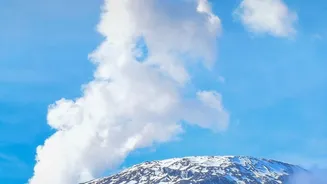
As one of Europe's most active and iconic volcanoes, Sicily's Mount Etna is a remarkably accessible destination. Tourism here is a well-oiled machine, built around robust safety measures. Italy's National Institute of Geophysics and Volcanology (INGV)
provides round-the-clock monitoring, and access is tiered based on current conditions. Visitors can independently explore lower altitudes, but reaching the upper zones and summit craters—typically above 2,500 metres—requires the use of a certified alpine and volcanological guide. This is a legal requirement, not a suggestion. Tours are frequently modified or cancelled based on weather or volcanic activity. Operators offer a range of experiences, from 4x4 jeep tours to cable car ascents and strenuous summit hikes, all managed within strict safety perimeters. Proper gear, including hiking boots and layered clothing, is essential even in summer due to the risk of cold and wind at high altitude.
Kīlauea, United States
Located within Hawaiʻi Volcanoes National Park, Kīlauea offers one of the most rigorously managed volcano viewing experiences in the world. The park's approach prioritizes public safety above all. Access to viewing areas can change daily, or even hourly, based on volcanic activity, wind direction, and levels of hazardous volcanic gases like sulfur dioxide. All visitors are instructed to stay on marked trails and within designated viewing overlooks, as entering closed areas can lead to serious injury or death from unstable ground, hidden earth cracks, or toxic fumes. Park rangers enforce these closures strictly. During eruptions, the park provides real-time air quality data and clear guidelines on who should avoid visiting, particularly those with respiratory issues, infants, and pregnant women. While the spectacle of lava is the draw, the park makes it clear that safety is a shared responsibility, urging visitors to come prepared with proper footwear, water, and flashlights for night viewing.
Pacaya, Guatemala
Just a short drive from Antigua, Pacaya is one of Central America's most popular volcano hikes, known for its otherworldly landscapes and frequent activity. Its accessibility makes it a prime example of managed adventure tourism. Entry into Pacaya National Park without an authorized local guide is prohibited, ensuring that all visitors are led by professionals who understand the volcano's behaviour and terrain. These guides are trained to navigate the shifting lava fields and can adjust routes based on current conditions. While famous for allowing tourists to get close to cooling lava flows, these experiences are conducted within regulated zones. Tour operators monitor official reports from government agencies that track seismic activity and will cancel or alter trips if conditions are deemed unsafe. Underestimating the volcano is a common mistake; visitors are advised to wear sturdy shoes, bring plenty of water, and respect the guide's instructions at all times.
Villarrica, Chile
Dominating the skyline above Pucón, Villarrica is one of South America's most active volcanoes. Climbing to its crater is a serious high-mountain activity, and Chilean regulations reflect this. Ascending to the summit without a certified guide is forbidden for most tourists and requires special permits and documented mountaineering experience. For everyone else, guided tours are mandatory. These tours provide all necessary technical equipment, including helmets, crampons, and ice axes, along with a crucial safety briefing. Access is frequently restricted based on volcanic alerts issued by authorities or adverse weather conditions. The climb is physically demanding and not recommended for beginners without a high level of fitness. The strict guide requirement ensures that only those with proper equipment and expert leadership attempt the ascent, turning a potentially hazardous trek into a controlled, albeit challenging, adventure.
Thrihnukagigur, Iceland
Offering a truly unique experience, this destination allows you to go inside a volcano. Thrihnukagigur is a dormant volcano that has been asleep for 4,000 years, making it safe to enter its vast, empty magma chamber. Access is only possible through a single licensed tour operator, ensuring total control over safety and environmental impact. The tour involves a moderate hike of about 3 kilometres to the crater. From there, visitors are equipped with helmets and harnesses and lowered 120 metres into the chamber on an open cable lift system, similar to that used for cleaning skyscrapers. All equipment has been extensively tested and approved by Iceland's occupational safety authorities. While the volcano is dormant, the operation is run with the precision of an active site, prioritizing safety, small group sizes, and expert guidance throughout the entire journey from the surface to the center of the earth.
Mount Bromo, Indonesia
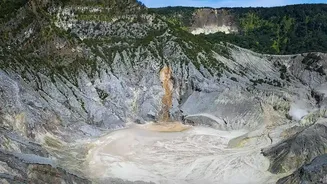
The sunrise over Mount Bromo's caldera is one of Indonesia's most sought-after travel experiences. Despite its active status, tourism is generally considered safe thanks to diligent monitoring and clear rules. The Indonesian Center for Volcanology provides timely alerts, and authorities may close access to the crater rim if activity or gas levels increase. Tourism is structured to manage risk; for instance, private cars are typically restricted from the 'Sea of Sand' caldera floor, requiring visitors to hire local 4WD jeeps and drivers who know the terrain. There are designated paths and viewpoints, and visitors are expected to stay within these boundaries for their own safety. However, external factors can also impact access. As seen in August 2026, the entire national park was temporarily closed to tourists due to wildfires, demonstrating that safety is the top priority, even when the threat isn't directly from the volcano itself.