





The View from India: A Daytime Eclipse
Let's get straight to the point: the partial lunar eclipse of August 28, 2026, will not be visible from India. While the event is one of the year's astronomical highlights, its timing is the primary reason for its invisibility here. The eclipse will reach
its maximum phase at approximately 9:43 AM Indian Standard Time (IST). At this hour, the Moon will be below the horizon for everyone in the country, as the sunlit sky completely obscures any view. So, unfortunately, there will be no need to set your alarms or gather your viewing equipment for this particular celestial show.
What the Rest of the World Will See
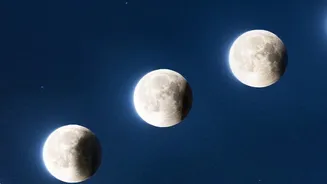
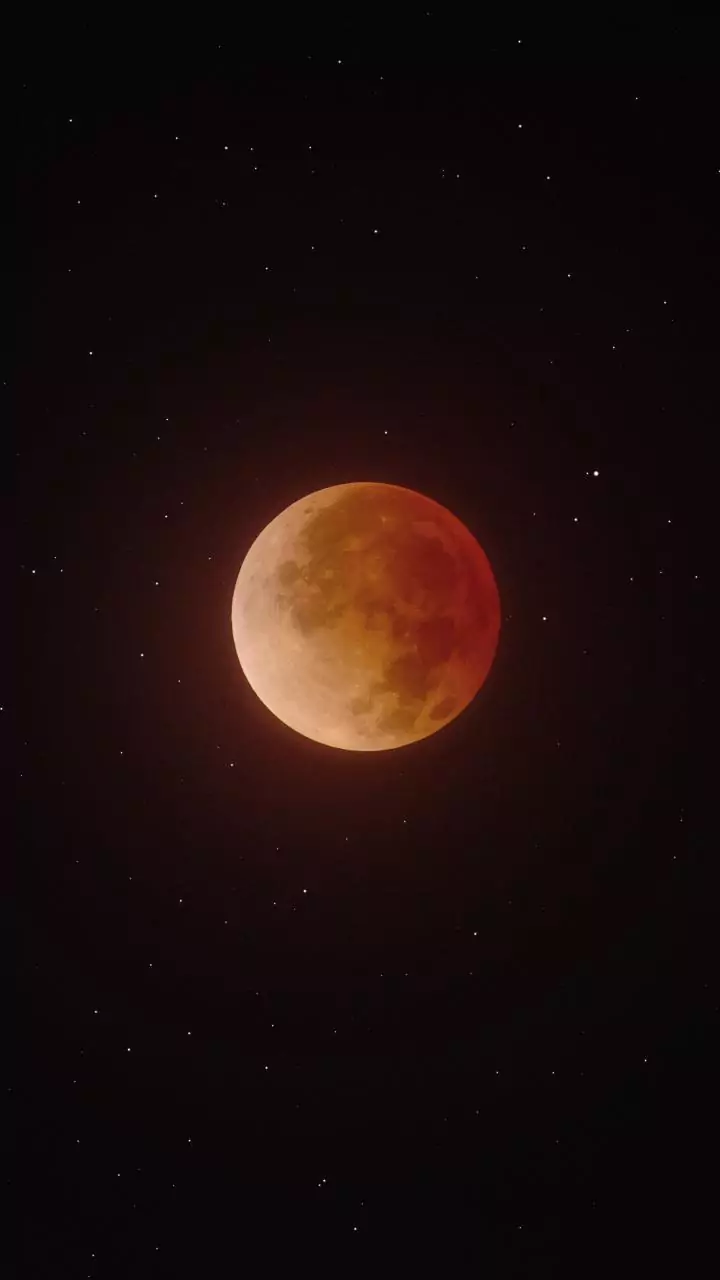
For those in the visibility path—which includes most of North and South America, Europe, and Africa—the event will be a spectacular sight. This is a 'deep' partial eclipse, meaning a huge portion of the Moon will pass through the darkest part of Earth's shadow, known as the umbra. At its peak, nearly 96% of the Moon's surface will be covered, leaving just a tiny sliver of the lunar disk in the lighter outer shadow (the penumbra). This can cause the eclipsed portion of the Moon to take on a reddish or coppery hue, an effect often associated with total 'blood moon' eclipses. The entire event, from the first subtle dimming to the last, will unfold over several hours.
Understanding a Partial Lunar Eclipse
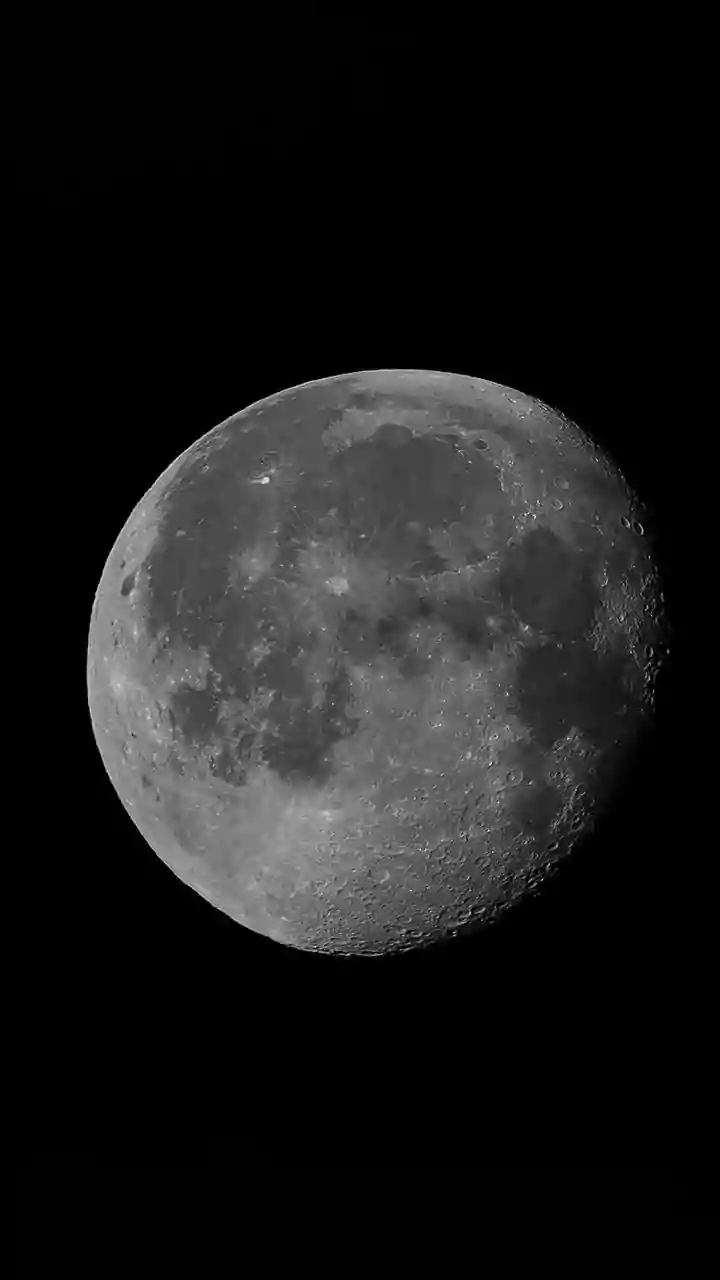
A lunar eclipse occurs when the Earth positions itself directly between the Sun and the full Moon, casting its shadow onto the lunar surface. There are three main types: total, partial, and penumbral. In a total eclipse, the entire Moon enters the umbra. In a partial eclipse, like the one on August 28, only a portion of the Moon enters the umbra, making it look like a 'bite' has been taken out of it. Penumbral eclipses are much fainter, as the Moon only passes through the diffuse outer shadow. Unlike solar eclipses, which require special protective eyewear, lunar eclipses are completely safe to view with the naked eye, binoculars, or a small telescope.
How You Can Still Watch the Event
Just because the eclipse isn't visible directly from India doesn't mean you have to miss out entirely. Many international science organisations and space agencies, such as NASA, frequently provide free live streams of major celestial events. These broadcasts often feature expert commentary and multiple telescope feeds from different locations, offering a fantastic and educational viewing experience from the comfort of your home. Be sure to check the official websites and YouTube channels of these organisations closer to August 28 for schedules and links to the live coverage.
Mark Your Calendars: The Next Eclipses for India
While the last lunar eclipse of 2026 is a no-show for India, you won't have to wait too long for the next one. A penumbral lunar eclipse will be visible from India on the night of February 20-21, 2027. It's worth noting, however, that these types of eclipses are very subtle and can be difficult to observe as the Moon only dims slightly. For a truly dramatic sight, Indian skygazers should look forward to December 31, 2028. On that night, a total lunar eclipse will be visible across the country, offering a chance to see the full Moon turn a beautiful reddish colour—a perfect celestial event to ring in the New Year.