
A Global Celebration of Space
World Space Week is an annual global event declared by the United Nations in 1999 to celebrate the contributions of space science and technology to humanity. The dates are historically significant, commemorating two key milestones: the launch of Sputnik
1, the first human-made satellite, on October 4, 1957, and the entry into force of the Outer Space Treaty on October 10, 1967. Every year, space agencies, aerospace companies, schools, museums, and enthusiasts across more than 100 nations hold events to educate the public, inspire students, and foster international cooperation in space.
This Year's Theme: The Rocket Revolution
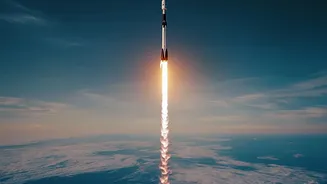
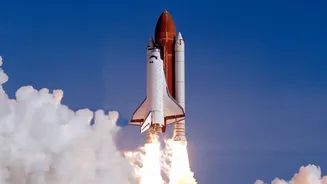
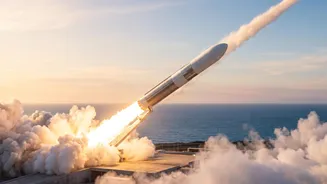
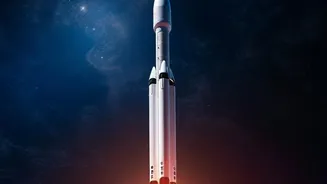
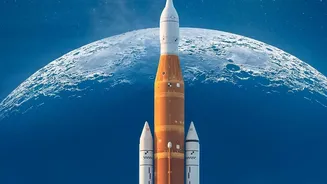
The theme for 2026, 'Rocket Revolution,' spotlights the dramatic transformation happening in launch technology. For decades, space travel was the exclusive domain of a few powerful government agencies, involving massive, single-use rockets. That era is decisively over. The revolution is about a new landscape filled with commercial launch providers, reusable rockets, university-led projects, and innovative startups. This shift is fundamentally changing who can access space, how frequently launches occur, and what we can achieve in orbit.
What the Revolution Really Means
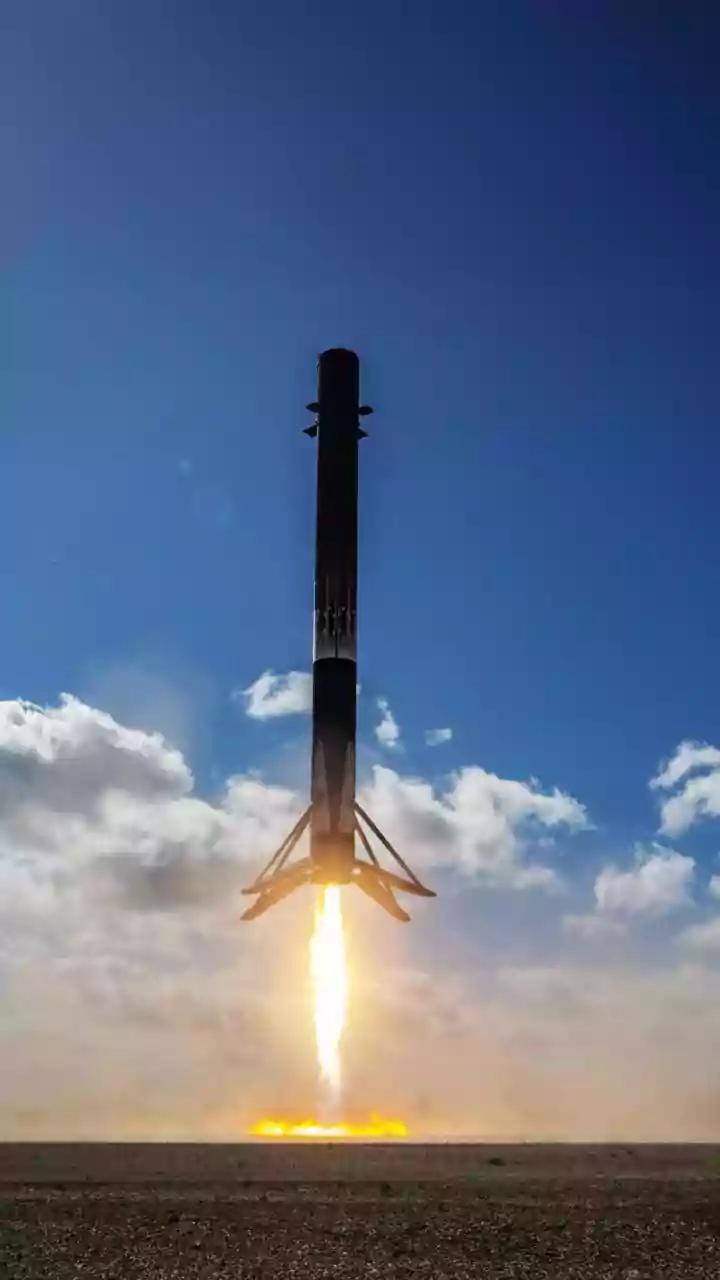
At the heart of this revolution is reusability. Companies have pioneered rockets whose first stages can land back on Earth and be flown again, drastically cutting costs. Twenty years ago, launching a kilogram into orbit cost around ten thousand dollars; today, it can be a quarter of that, with projections for even steeper drops. This has made large-scale satellite constellations and ambitious new missions economically viable. Beyond cost, the revolution includes advancements like 3D printing of rocket parts, which reduces manufacturing time, and the development of more eco-friendly fuels. This democratisation of space means more opportunities for scientific research, commercial ventures, and even space tourism.
India's Growing Role in the New Space Age
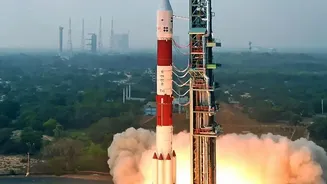
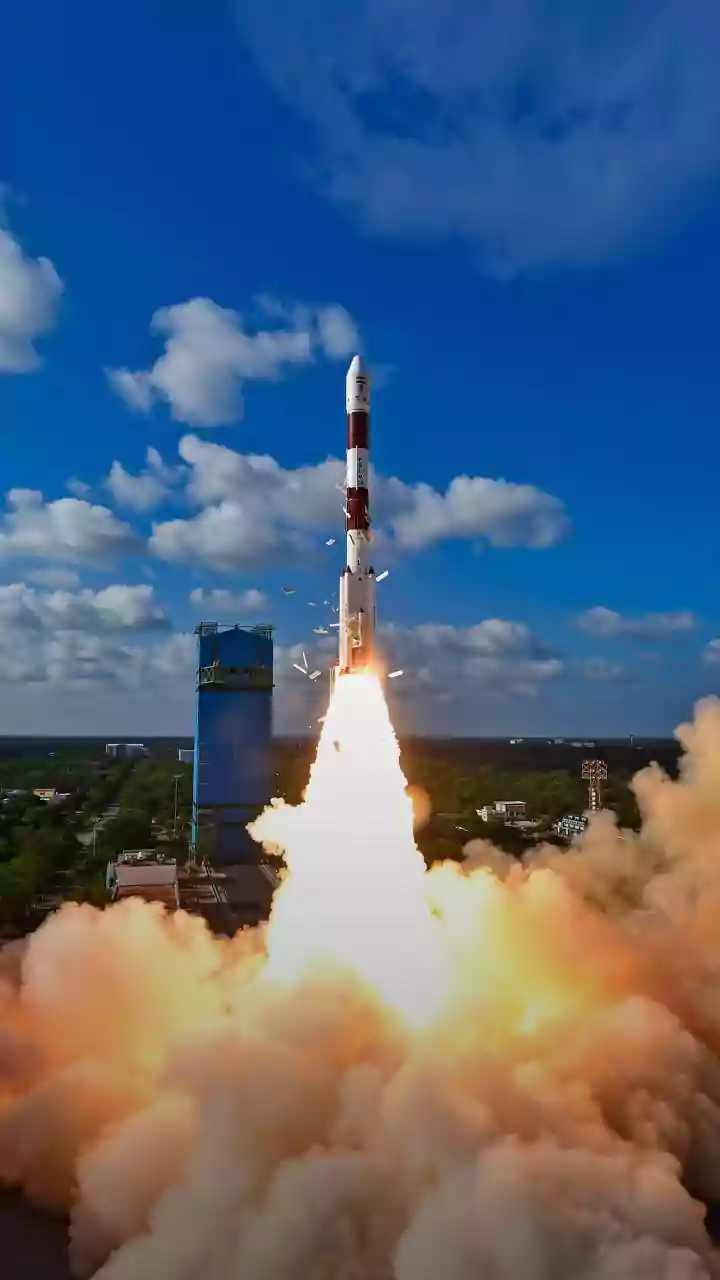
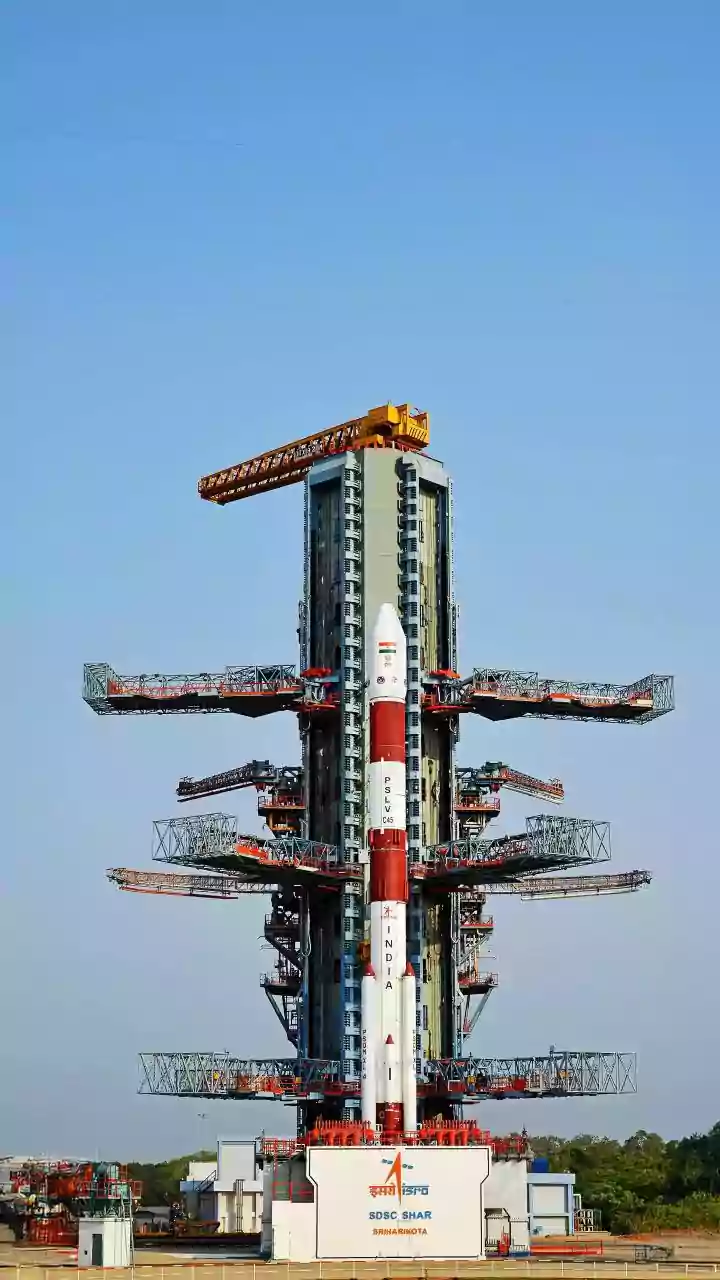
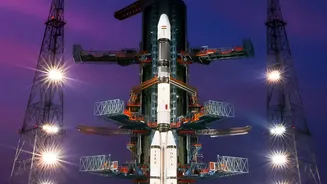
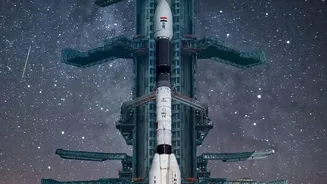
India, through the Indian Space Research Organisation (ISRO) and a booming private sector, is a key player in this global shift. ISRO has a suite of operational launch vehicles like the PSLV and GSLV that serve national needs and launch commercial satellites for international clients. The country is also actively developing its own reusable launch vehicle technology to further drive down costs. The growth in India's space ecosystem is explosive, with the number of registered space startups soaring in recent years. This is supported by government policies that encourage private participation and foreign direct investment, positioning India as a globally competitive hub for space technology.
Inspiring India's Next Generation
A crucial part of the 'Rocket Revolution' is its impact on education. Across India, World Space Week is being marked by a host of activities aimed at students. ISRO centres are organizing lectures for school students in Kerala, with scientists discussing the latest in space technology. Universities like SRMIST are hosting workshops on rocketry and conceptual design competitions for college students. These initiatives are designed to ignite curiosity in STEM fields and build the workforce needed for the expanding space industry. Educational partners have even developed a 'Rocket Revolution Toolkit' with hands-on activities for classrooms and families to explore the science of rocketry.