

Thailand’s postcard-perfect beaches and glittering temples are world-famous for a reason. But what you see on social media isn't always the full picture. For a truly great trip, it pays to know the on-the-ground reality at these iconic spots.
Maya Bay: Paradise Protected
The Expectation:
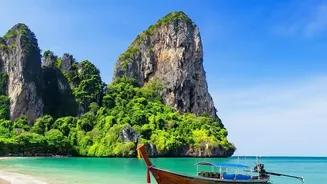
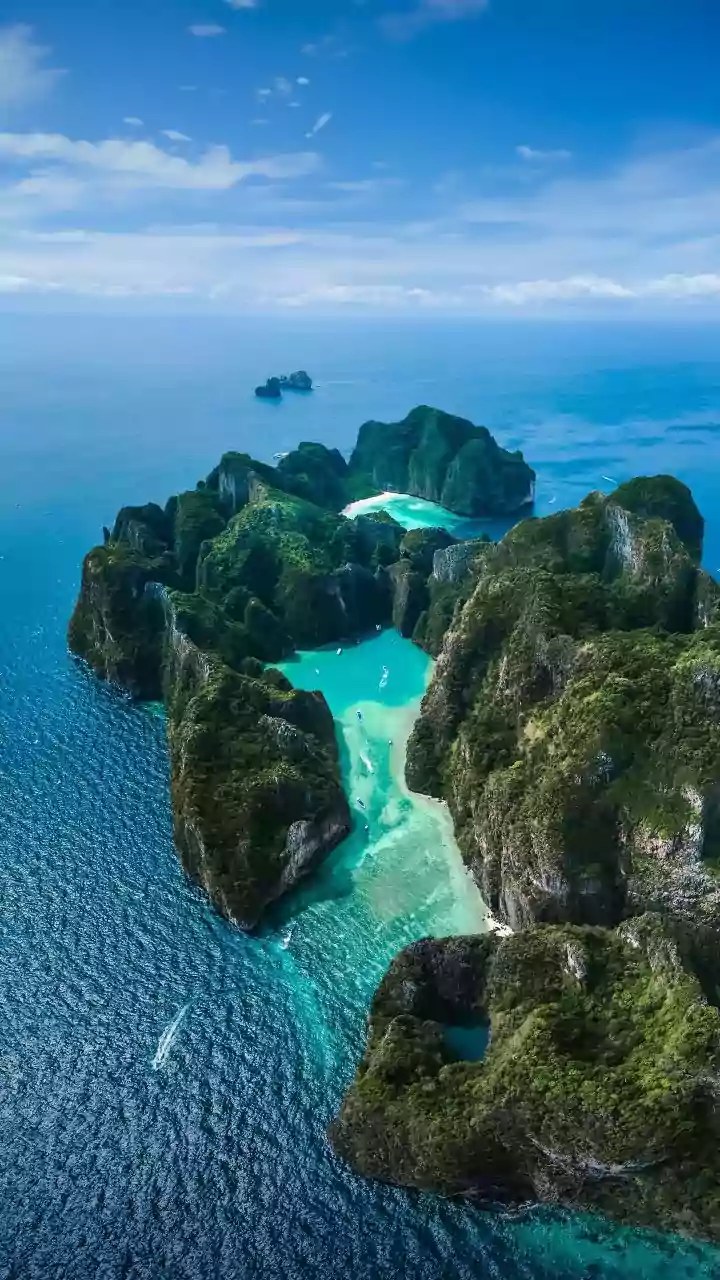
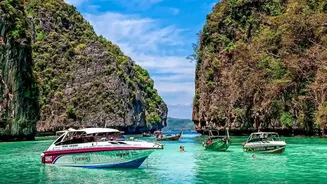
An empty, untouched cove of turquoise water and white sand, just like in the movie 'The Beach'. You imagine swimming freely in the calm, clear sea, framed by dramatic limestone cliffs. The Reality: After being closed for over three years to recover from severe environmental damage, Maya Bay has reopened with strict rules. The bay is now a conservation success story, with blacktip reef sharks returning to its waters. However, this means the experience has changed. Boats are no longer allowed to enter the iconic front of the bay; they dock at a pier on the other side of the island. From there, you walk along a boardwalk to the beach. Crucially, swimming is completely banned to protect the regenerating coral and wildlife. Visitor numbers are capped, and time on the beach is often limited to one hour. The bay also closes annually for two months, typically August and September, for ecological recovery. How to Visit Smarter: Embrace it for what it is now: a chance to witness a world-famous location being successfully rehabilitated. Appreciate the view, take photos, and dip your feet in the water at the edge. Book a tour that combines Maya Bay with other stops like Pileh Lagoon, where you can swim and snorkel freely in stunning surroundings. To avoid the biggest crowds, consider a 'sleepaboard' tour that visits the bay at sunset and sunrise.
The Grand Palace, Bangkok: Dazzling but Dense
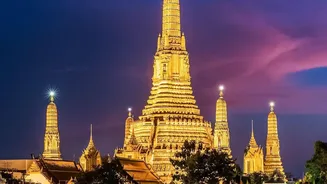
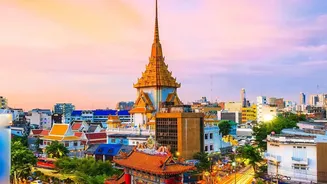
The Expectation: A serene stroll through a vast complex of breathtaking golden temples and royal halls, absorbing centuries of Thai history and spiritual significance in peace. The Reality: As Bangkok's top tourist landmark, the Grand Palace is almost always intensely crowded. From mid-morning, large tour groups pack the grounds, making it difficult to move freely or take photos without a sea of people in the background. The heat can be stifling with little shade, and the strict dress code (shoulders and knees covered for both men and women) is rigorously enforced. Inside the most sacred area, the Temple of the Emerald Buddha, photography is forbidden, and the space can be so full that you only get a fleeting glimpse of the revered statue. How to Visit Smarter: The golden rule is to go early. The palace opens at 8:30 AM. Arriving just before opening allows you to be among the first inside, granting you at least an hour before the peak rush begins around 10 AM. Buy your ticket from the official booth to avoid common scams outside where touts might tell you the palace is closed. Plan your route: head to the Temple of the Emerald Buddha first before it becomes packed. Bring water, and combine your visit with nearby, often less-crowded sites like Wat Pho (home of the Reclining Buddha) and Wat Arun across the river.
Patong Beach, Phuket: Party Hub, Not a Quiet Escape
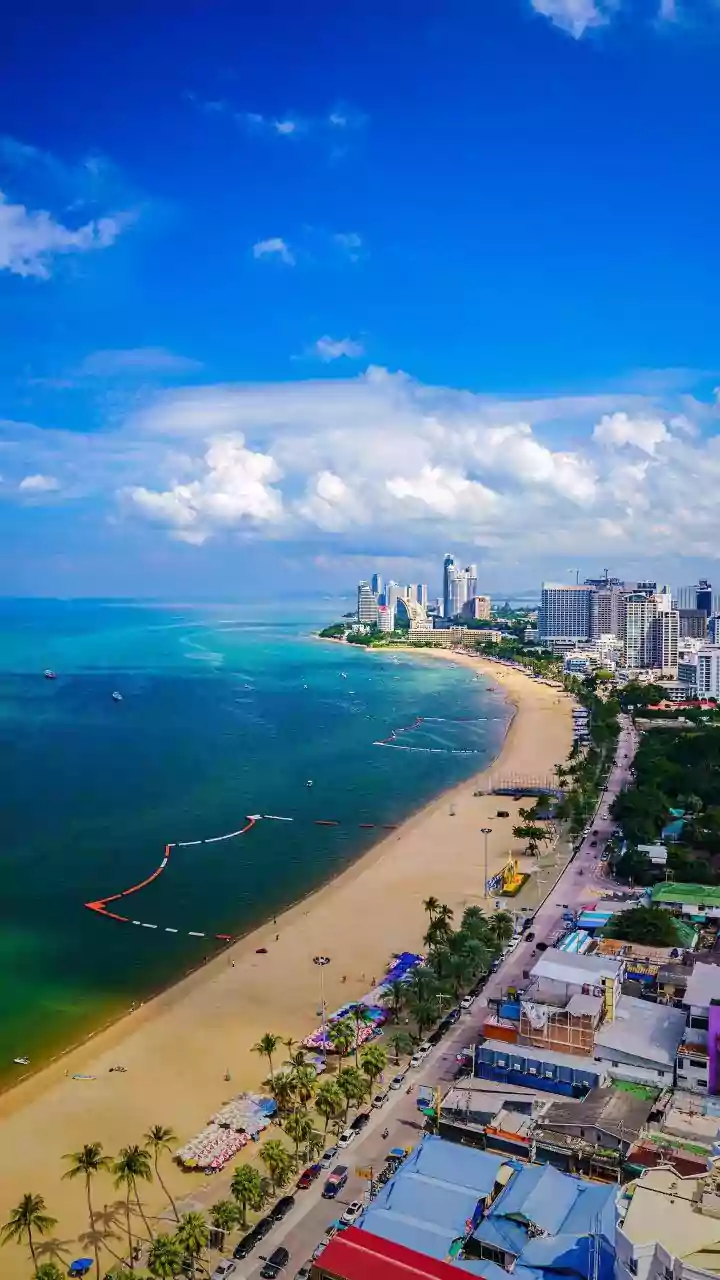
The Expectation: A long, idyllic stretch of soft sand and gentle waves, perfect for a relaxing day of sunbathing and swimming on Thailand's largest island. The Reality: Patong is Phuket's primary party and entertainment hub. The beach is vibrant and full of energy, but it is far from peaceful. The shoreline is typically lined with vendors renting out sunbeds and umbrellas, and you'll be frequently approached by people selling drinks, massages, and souvenirs. The area is highly commercialised, with a high concentration of fast food chains, bars, and clubs just off the sand. While it's the epicentre of nightlife, those seeking a tranquil beach day will likely be disappointed by the constant activity and crowds. How to Visit Smarter: If you thrive on energy and want nightlife at your doorstep, Patong is for you. For a more serene beach experience, use Patong as a base but travel to Phuket’s other shores. Quieter alternatives like Nai Harn, Layan Beach, or even the beaches in nearby Phang Nga province offer the classic Thai beach vibe without the bustle. Alternatively, charter a boat to explore the secluded islands around Phuket, giving you a private and peaceful slice of paradise.
Chiang Mai's Elephant Sanctuaries: The Ethics of Interaction
The Expectation: A hands_on experience where you get to ride, bathe, and play with elephants in a jungle setting, creating a deep,, personal connection with these gentle giants. The Reality: The conversation around elephant tourism has shifted dramatically. Genuinely ethical sanctuaries now prioritise the animals' welfare over tourist interaction. This means no riding,, no tricks,, and increasingly,, no bathing with elephants. The most reputable places,, like ChangChill and parts of Elephant Nature Park,, are moving to an observation_only model. Here,, you watch elephants forage,, socialise,, and bathe naturally from a respectful distance. While some sanctuaries still offer feeding experiences from a platform,, the days of jumping into the river to scrub an elephant are being phased out to give them a more natural,, stress_free life. How to Visit Smarter:: Do your research.. The word 'sanctuary' is not regulated.. Look for places with a strict 'no riding' policy.. Check for certifications from organisations like World Animal Protection.. Book directly with the sanctuary,, as spaces are limited and sell out fast,, especially in high season.. Adjust your expectations from a hands_on activity to an educational and observational one.. Supporting these truly ethical models ensures your tourist money contributes to the elephants' long_term well_being and the rescue of more animals from exploitative industries.