





For Eye Health: A Tale of Two Nutrients
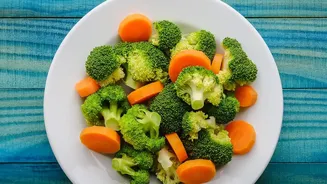
Carrots are famously linked to good vision, and for good reason. They are packed with beta-carotene, a compound your body converts into Vitamin A. This essential vitamin is crucial for maintaining healthy vision, especially in low light, and supports
a strong immune system. A single medium carrot can provide a significant portion of your daily Vitamin A needs. But spinach has its own vision-protecting credentials. It is one of the best dietary sources of lutein and zeaxanthin, two powerful antioxidants that concentrate in the retina of your eye. Think of them as internal sunglasses, helping to filter harmful high-energy blue light from screens and the sun, which can reduce the risk of age-related macular degeneration. While carrots provide the building blocks for basic vision, spinach provides critical protection for the delicate tissues of the eye.
For Strong Bones and Blood: Spinach Takes the Lead
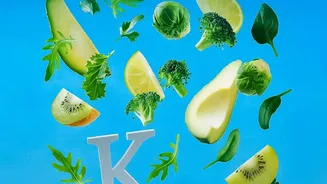
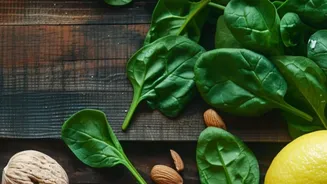
When it comes to building strong bones and healthy blood, spinach has a clear edge. It is an absolute powerhouse of Vitamin K, a nutrient essential for blood clotting and helping calcium bind to your bones. A single cup of spinach can contain over 400% of your daily recommended value of Vitamin K, vastly outperforming carrots in this category. Spinach is also legendary for its iron content. Iron is a key component of hemoglobin, the protein in red blood cells that carries oxygen throughout your body. Spinach offers significantly more iron than carrots, making it a great choice for boosting energy levels and preventing fatigue associated with iron deficiency. It is worth noting that the iron in spinach is 'non-heme' (plant-based), which is absorbed less easily than iron from meat. Pairing spinach with a source of Vitamin C, like bell peppers or lemon juice, can dramatically improve your body's ability to absorb this vital mineral.
Antioxidants and Immunity
Both vegetables are rich in antioxidants, which help protect your cells from damage caused by unstable molecules called free radicals. Carrots boast a wide array of carotenoids like alpha-carotene and, in red or purple varieties, lycopene. These compounds are linked to improved immune function and a reduced risk of various chronic illnesses. Spinach, on the other hand, is loaded with Vitamin C, another potent antioxidant that supports immune function and skin health. It also contains folate (Vitamin B9), which is vital for normal cell function and tissue growth. While carrots' beta-carotene plays a role in immunity through its conversion to Vitamin A, spinach offers a broader suite of vitamins like K, C, and folate, plus minerals like magnesium and potassium, making it a comprehensive choice for overall cellular health.
Calories and Fiber
For those focused on weight management, both vegetables are excellent low-calorie options. Spinach is slightly lower in calories and carbohydrates and higher in protein per 100 grams. Both carrots and spinach are good sources of dietary fiber, which aids digestion, helps maintain stable blood sugar levels, and can contribute to lower cholesterol. Cooked carrots have a slight edge in fiber content per cup compared to cooked spinach, but both are valuable for digestive health. Ultimately, the differences in calories and fiber are minor, and both vegetables can easily fit into a healthy eating plan.