






An Amino Acid Hiding in Plain Sight
You may not have heard of valine, but it is a fundamental part of your diet. Valine is one of nine essential amino acids, which are the building blocks of protein. Our bodies can't produce them, so we must get them from food. Along with leucine and isoleucine,
valine is part of a group called branched-chain amino acids, or BCAAs. These are famous in the fitness world for helping build muscle, but scientists are increasingly interested in their wider metabolic role. For years, studies have noted that people with insulin resistance and type 2 diabetes often have higher levels of BCAAs in their blood. This sparked a major question: are the high levels a symptom of the disease, or could they be part of the cause?
The Surprising Results of Less Valine
A recent study decided to test this connection directly, but with a twist. Instead of adding more valine, researchers fed mice a diet specifically restricted in it. The results were striking. The study on mice found that reducing dietary valine improved blood-sugar control and insulin sensitivity in both male and female subjects. The mice on the low-valine diet showed better metabolic health, became leaner, and even increased their energy expenditure despite consuming more calories relative to their body weight. This suggests that it's not just the quantity of protein or calories that matters, but the quality and specific amino acid composition. The findings build on previous work showing that restricting all BCAAs could reverse diet-induced obesity and restore blood glucose control in mice. By isolating valine, scientists can now pinpoint its unique role in this complex metabolic puzzle.
Connecting the Dots to Diabetes
So why would reducing a single amino acid have such a profound effect? The link appears to be related to insulin resistance. Research suggests that byproducts from the breakdown of valine can interfere with how effectively muscle cells respond to insulin. One specific byproduct, called 3-hydroxyisobutyrate (3-HIB), has been shown to encourage fat uptake into muscle tissue. This accumulation of fat inside the muscle can disrupt insulin's ability to signal cells to absorb glucose from the blood, a hallmark of insulin resistance. Therefore, by reducing the amount of valine coming in, the study suggests we might be able to lower the levels of these disruptive byproducts, allowing insulin to do its job more effectively and helping to regulate blood sugar.
From Mice to Humans: A Crucial Gap
While these findings are exciting, it is critical to remember that this was a study conducted on mice. Animal studies are a vital first step in scientific discovery, but their results do not always translate directly to humans. Human metabolism is incredibly complex, and there are significant differences between our physiology and that of mice. Small human trials restricting BCAAs have shown some promise in improving insulin sensitivity, but more research is needed to confirm these effects and understand the long-term consequences. Scientists must still determine the optimal level of dietary valine and investigate whether there could be any negative effects from long-term restriction. Therefore, no one should start drastically cutting protein or specific foods from their diet based on this research alone.
Where Do We Find Valine?
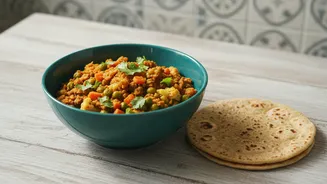
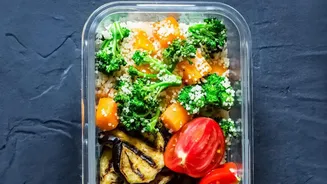
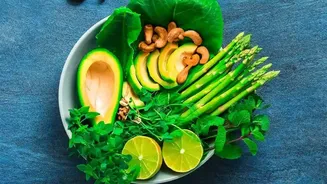
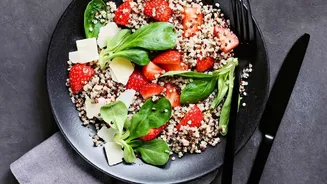
Valine is widespread in protein-rich foods. Some of the most concentrated sources include red meat, poultry, fish, and dairy products like cheese and yogurt. Plant-based sources are also plentiful, with soy products, beans, lentils, nuts, and seeds containing significant amounts. Even whole grains and certain vegetables contribute to our daily intake. Because it is so common, actively restricting valine without professional guidance would be extremely difficult and is not recommended. The goal of this research is not to create a new fad diet but to understand the underlying mechanisms of metabolic disease, which could one day lead to more targeted nutritional therapies or medications.