





The Electric Two-Wheeler Buzz
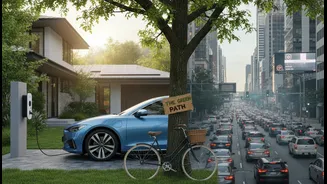
The most visible and vibrant part of this expansion is the electric vehicle (EV) boom, especially in the two-wheeler segment. Driven by government incentives like the FAME schemes, rising fuel prices, and a growing consciousness about urban pollution,
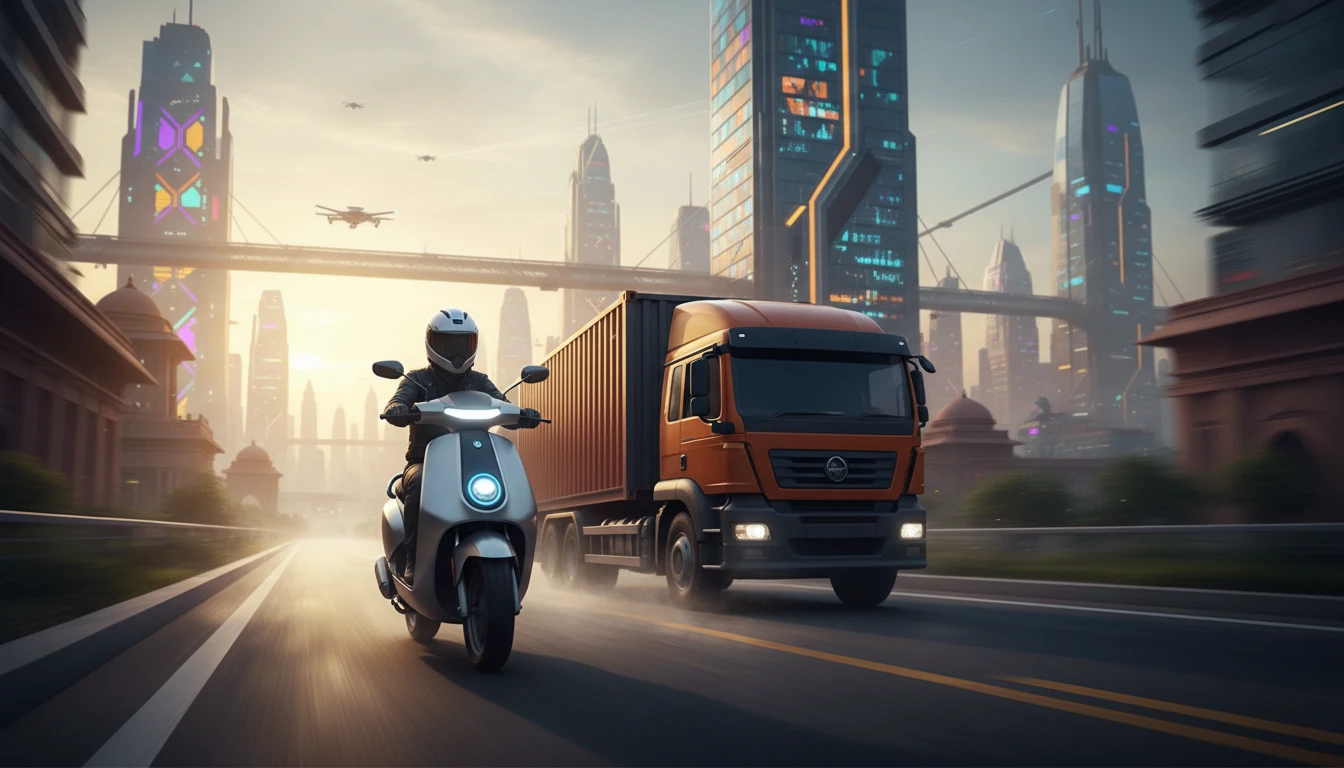
consumers are increasingly swapping petrol scooters for electric alternatives. Startups and legacy manufacturers alike are flooding the market with new models, making EVs more accessible than ever. This shift is not just a niche trend; electric two-wheelers now account for a significant portion of total scooter sales, with penetration reaching as high as 25% in the scooter sub-category. This surge in adoption signifies a major change in personal urban transport, making daily commutes cleaner and more cost-effective for millions.
Cars, Connectivity, and Consumers
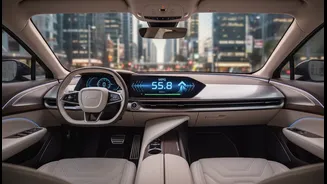
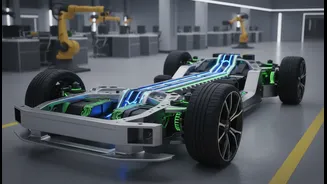
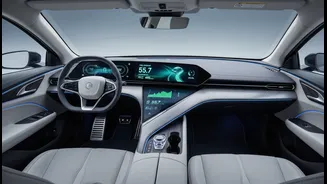
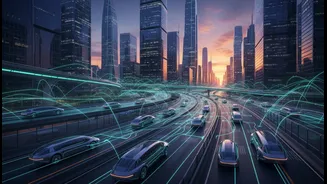
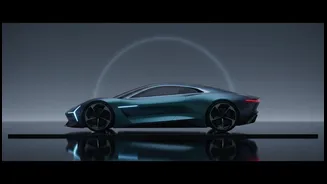
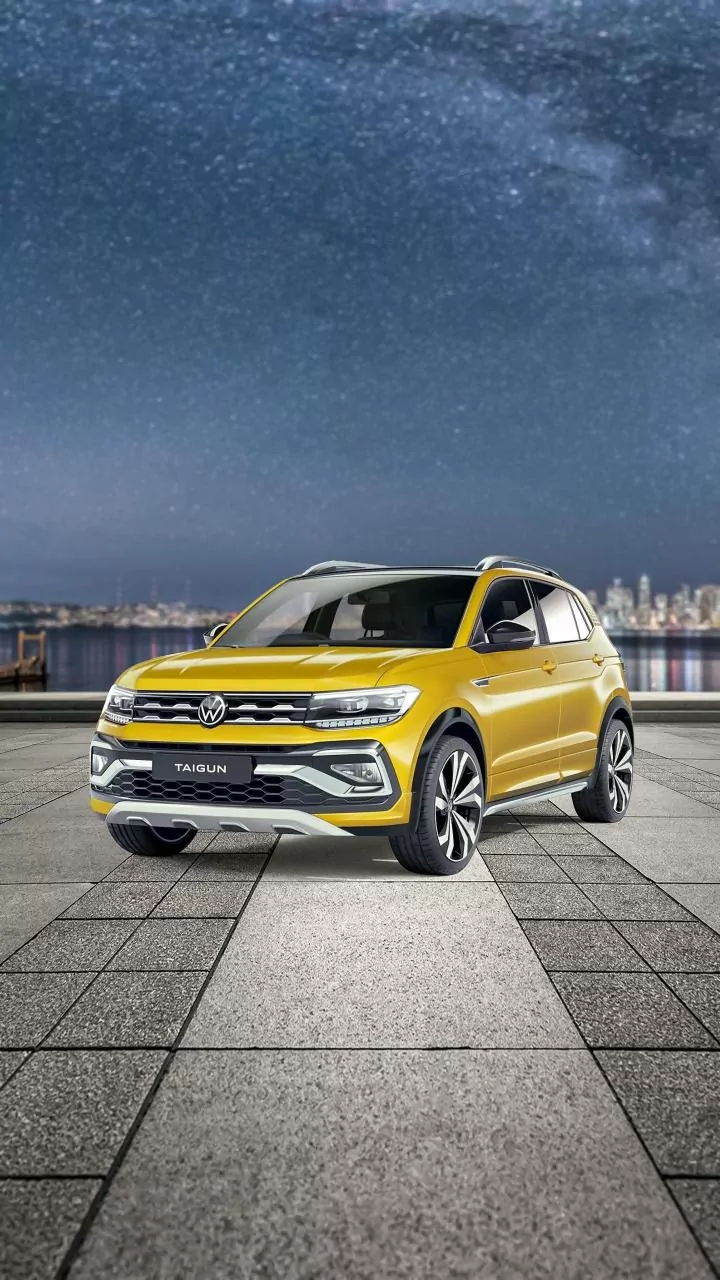
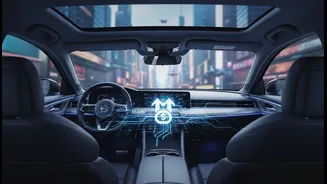
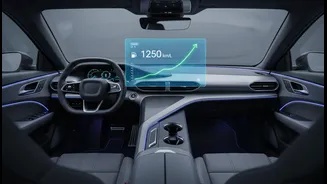
The passenger vehicle market is also undergoing a profound transformation. Electric car sales saw a staggering 79% year-on-year growth in the first half of 2026, with total sales expected to cross 300,000 for the first time this year. Automakers are launching a flurry of new electric models, from compact city cars to family-sized SUVs, significantly expanding consumer choice. Beyond electrification, there is a clear trend towards more technologically advanced vehicles. Features like digital cockpits and advanced driver-assistance systems (ADAS) are becoming increasingly common, turning cars into connected smart devices. This push for premium features, combined with a rising middle class and easier access to financing, is reshaping what Indians expect from their personal vehicles.
Trucks: The Backbone of a Digital Economy
The expansion isn't limited to personal mobility. The commercial vehicle (CV) segment, a reliable indicator of economic activity, is experiencing robust growth. This surge is directly linked to two powerful forces: massive government investment in infrastructure and the explosive growth of e-commerce. As online shopping becomes the norm, the demand for efficient last-mile delivery has skyrocketed. This has created a huge market for light commercial vehicles (LCVs), which are essential for navigating congested city streets to deliver goods quickly. Simultaneously, heavy commercial vehicles (HCVs) are in high demand to support long-haul logistics for everything from manufacturing components to agricultural products, cementing their role as the backbone of India's growing economy.
What's Powering This Growth?
Several key factors are converging to fuel this market expansion. Government policies, including the 'Make in India' initiative and various production-linked incentives, have created a favorable environment for both domestic manufacturing and foreign investment. The rapid digitalization of the economy, particularly the rise of quick-commerce platforms, has created entirely new streams of demand for delivery vehicles, accelerating the electrification of commercial fleets. Furthermore, a young population, rising disposable incomes, and increasing urbanization are shifting consumer preferences towards personal and on-demand mobility solutions. Together, these elements are creating a self-reinforcing cycle of demand, investment, and innovation across every segment of the automotive industry.