


A Winter of Growth, A Peak of Concern
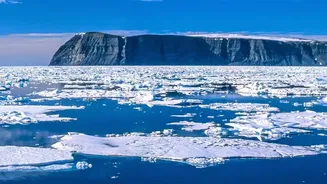
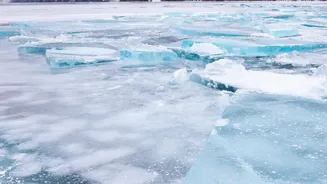
Every year, the ocean around Antarctica goes through a dramatic transformation. During the southern hemisphere’s autumn and winter, frigid temperatures cause the sea surface to freeze and expand, creating a vast, floating sheet of sea ice. This ice reaches
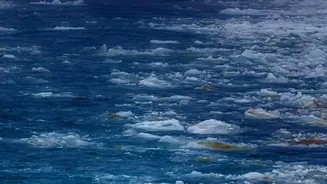
its maximum size, or 'peak extent', around September before the process reverses with the arrival of spring and summer. This year, the ice dutifully grew, but the final result has set off alarm bells. On September 14, the sea ice hit its likely maximum of 17.59 million square kilometres. While that sounds enormous, it is a staggering one million square kilometres below the long-term average — an area roughly twice the size of Spain is simply missing.
Putting the Numbers into a Worrying Context
This isn't just a one-off bad year. Scientists at the U.S. National Snow and Ice Data Center (NSIDC) have confirmed this is the third-lowest winter peak since satellite records began in 1979. More troublingly, the four lowest winter maximums have all occurred in the last four years. This pattern suggests a significant change is underway. For decades, Antarctic sea ice was relatively stable, even showing slight increases, in stark contrast to the dramatic melting seen in the Arctic. But since 2016, Antarctica has experienced a series of record-lows in both its summer minimum and winter maximum, prompting concern that the southern continent is entering a new, more volatile phase. As one expert noted, this is no longer a one-off event but a clear indication of a system that has changed.
What's Driving the Unprecedented Decline?
Pinpointing the exact cause is complex. The Antarctic is a vast and intricate system influenced by powerful winds and ocean currents. Scientists believe a combination of factors is at play. Warmer ocean waters are a key suspect, eating away at the ice from below. Changes in wind patterns, potentially linked to the El Niño climate phenomenon, may also be contributing by churning up the sea and breaking up the ice pack. Unlike the Arctic, where the link to global warming is more direct, natural variability has always played a large role in Antarctica. However, the persistence of these new lows has many scientists convinced that human-caused global heating is now a major driver, pushing the system into what some are calling "a now problem, not a future problem."
Why a Low Ice Peak in Antarctica Matters in India
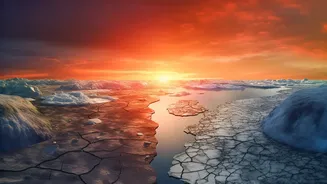
What happens in the desolate ice fields of Antarctica has profound implications thousands of kilometres away, including for India. The vast white surface of the sea ice acts like a giant mirror, reflecting the sun's energy back into space and helping to regulate the planet's temperature. Less ice means the darker ocean absorbs more heat, creating a feedback loop that accelerates warming. While melting sea ice doesn't directly raise sea levels because it's already floating, it plays a crucial protective role. It acts as a buffer, shielding the continent's massive land-based ice shelves and glaciers from warm ocean swells. Without this buffer, the glaciers that hold enough water to raise global sea levels by many metres could destabilise and flow into the ocean faster. For a country like India with a 7,500-kilometre coastline and major coastal cities like Mumbai and Chennai, any acceleration in sea-level rise is a critical long-term threat.
Entering Uncharted and Worrying Territory
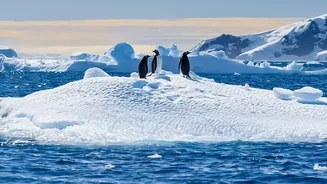
The scientific community is watching with concern. The rapid decline since the September 14 peak has been described as faster than usual, raising fears for the upcoming summer melt season. Another record-low summer could have serious consequences for the stability of the ice shelves and the unique ecosystems that depend on the ice, from the krill at the base of the food web to emperor penguins that breed on the ice. For years, Antarctica was seen as the more stable of the Earth's two poles. That assumption is now being challenged. The consistent pattern of low winter ice suggests the continent’s climate system may have crossed a critical threshold into a new, less predictable, and far more concerning state.