








Why Your Credit History Has a Long Memory
Think of your credit score, like a CIBIL score in India, as a summary of your financial habits over several years, not just the last few weeks. Lenders want to see a consistent and reliable pattern of behaviour before they trust you with a loan or credit card.
A single on-time payment is a positive step, but it's one data point among many. Your score is built on a foundation of your entire credit history, which includes years of payments, balances, and credit usage. A history of missed or late payments creates a pattern that one good deed can't immediately erase. Negative marks, such as defaults or late payments, can remain on your credit report for up to seven years.
The Real Ingredients of Your Credit Score
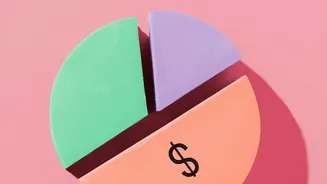
To understand why one payment isn’t a quick fix, it helps to know what goes into your score. The most significant factor, making up about 35% of a typical score, is your payment history. This isn't about your last payment, but your track record of paying bills on time over the long haul. The second most important factor is your credit utilisation, which is how much of your available credit you are using. Experts recommend keeping this below 30%. Other factors include the length of your credit history (longer is generally better), your mix of credit (like credit cards and loans), and how many recent applications for new credit you have. One on-time payment only slightly nudges the most important category, while the others remain unchanged.
The Path to Recovery: Consistency Is Key
While you can't instantly repair your credit, you can absolutely rebuild it. The most powerful strategy is to create a new, positive payment history. Every on-time payment adds a positive mark to your report, and over time, these new marks will begin to outweigh the old negative ones. While the impact of a late payment fades over the years, establishing a consistent streak of on-time payments is what truly rebuilds trust with lenders. Many people see a noticeable improvement in their scores after establishing a positive payment pattern for 6 to 12 months. Setting up automatic payments for all your bills is a simple but effective way to ensure you never miss a due date.
Smart Strategies Beyond Just Paying on Time
Besides consistent payments, there are other powerful moves you can make. Focus on paying down your credit card balances to lower your credit utilisation ratio. This is one of the quickest ways to see a potential improvement in your score. Avoid applying for multiple new credit accounts in a short period, as each application can trigger a 'hard inquiry' that may temporarily lower your score. Also, think twice before closing old credit accounts. An older account, even one you don't use often, contributes to the length of your credit history, which is a positive factor. Finally, regularly check your credit report from all bureaus for any errors. Disputing and correcting inaccuracies can sometimes provide a significant boost.