






The Umami Powerhouse in Your Fridge
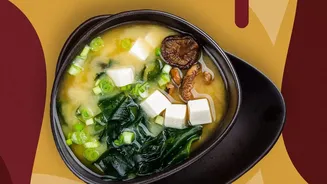
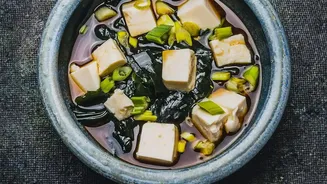
If you’ve only ever encountered miso in a bowl of soup at a Japanese restaurant, you’re missing out on its true potential. Miso is a fermented paste, traditionally made from soybeans, salt, and a fungus called koji. This fermentation process is what gives
miso its magic: a deep, savoury flavour known as umami. Often called the 'fifth taste' after sweet, sour, salty, and bitter, umami is what makes food taste deeply satisfying and complex. When used correctly, a small amount of miso can amplify the existing flavours in a dish, giving it a rich, rounded quality without screaming 'miso'. It enhances other ingredients, making them taste more like themselves. It is a staple that lasts for a very long time in your refrigerator, making it an economical way to boost the flavour of many meals.
A Guide to the Miso Spectrum
Walking into a store, you'll likely see a few different types of miso, primarily categorised by colour. The colour is a clue to its fermentation time and flavour intensity. The two most common types are white and red. White miso (Shiro Miso) is fermented for a shorter time and often contains a higher percentage of rice, giving it a milder, sweeter, and nutty flavour. It's perfect for beginners and works wonderfully in lighter applications like salad dressings, mayonnaise, sauces, and glazes. Red miso (Aka Miso) is fermented for much longer, sometimes for years. This results in a dark, reddish-brown paste with a much more intense, salty, and earthy flavour. Its powerful umami punch is ideal for hearty dishes like rich stews, braises, and bold marinades that can stand up to its strength. There's also yellow miso (Shinshu Miso), which sits between the two in flavour and is a great all-purpose option.
Unlocking Flavour in Everyday Cooking
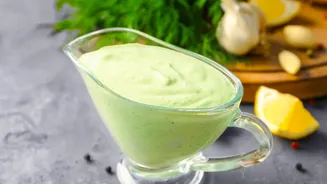
Here is where the magic happens. The key is to think of miso not as a primary flavour, but as a background booster. Stir a teaspoon of white miso into your next tomato-based pasta sauce; it will deepen the savoury notes of the tomatoes and add a richness you couldn't achieve with salt alone. Whisk it into a vinaigrette with olive oil and vinegar for a salad dressing with surprising complexity. Add a tablespoon of red miso to a hearty beef stew, chilli, or lentil soup. It melts away, leaving behind a profound, slow-cooked taste. Miso also makes a fantastic marinade. A simple mix of miso, honey, and vinegar creates a sticky, caramelised glaze for chicken, salmon, or even roasted vegetables like carrots and sweet potatoes. You can also make a compound butter by mixing softened butter with white miso, which is incredible on steak, corn on the cob, or simply melted over potatoes.
A Little Goes a Long Way
When cooking with miso, remember two key rules. First, a little bit goes a long way, especially with the more potent red varieties. It's intensely salty and concentrated, so start with a small amount—perhaps a teaspoon or two—and taste as you go. You can always add more. Second, avoid boiling miso directly over high heat. Boiling can damage its delicate aromatic compounds and diminish some of its nutritional benefits. The best practice is to add it towards the end of cooking. To ensure it dissolves smoothly without lumps, mix the miso paste in a small bowl with a ladleful of the warm liquid from your pot (like stock or sauce) until it forms a smooth slurry, then stir it back into the main dish.