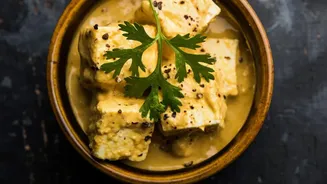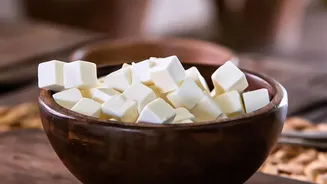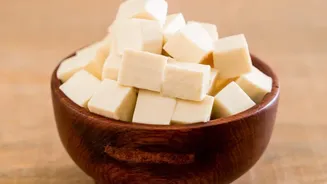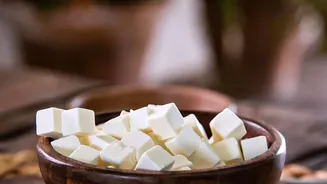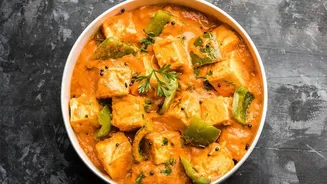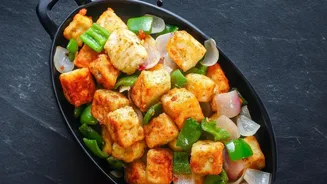


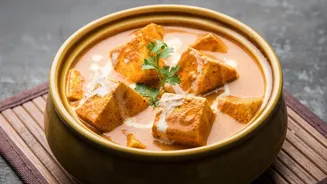

What is Fake or Analogue Paneer?
Fake, or analogue, paneer is a product designed to look and feel like real paneer but is made without pure milk. Instead of curdling fresh milk, manufacturers often use a mixture of cheaper ingredients to cut costs. These typically include skimmed milk powder,
starch, and vegetable fats like palm oil. In more dangerous cases, the adulterants can include harmful chemicals such as detergents, urea, and other substances not meant for human consumption, which are used to achieve the white colour and firm texture of real paneer. The result is a product that is nutritionally poor and potentially hazardous to health.
The Government's Decisive Action
The Maharashtra Food and Drug Administration (FDA) has prohibited the manufacture, storage, distribution, and sale of unstandardised analogue paneer for one year. This decision came after extensive testing revealed alarming results. Between April 2025 and March 2026, over 35% of 308 paneer samples tested failed to meet safety standards, with many being classified as substandard or unsafe for consumption. The investigation found that the fat content in these samples was not from milk, indicating the addition of vegetable fats. The ban extends to all food establishments, including hotels, restaurants, and caterers, who were often found using analogue paneer without informing customers, an act the FDA deemed an unfair trade practice. Violators now face strict penalties, including fines and imprisonment.
Significant Health Risks Involved
The consumption of fake paneer poses serious health risks. Ingredients like hydrogenated vegetable fats and trans fats are linked to an increased risk of heart disease and high cholesterol. More alarmingly, the chemicals sometimes used, such as detergents and other industrial agents, can cause immediate digestive problems like stomach pain, diarrhoea, and vomiting. Long-term consumption can lead to far more severe health consequences, including damage to vital organs like the liver and kidneys, hormonal imbalances, and even an increased risk of cancer.
How to Identify Fake Paneer
Consumers can perform several simple tests at home to check the purity of their paneer. Real paneer is soft and should crumble easily, whereas fake paneer often has a rubbery, elastic texture. One of the most reliable methods is the iodine test: boil a small piece of paneer in water, let it cool, and then add a few drops of iodine solution. If the paneer turns blue or black, it indicates the presence of starch, a common adulterant. Another simple check is the taste and smell. Genuine paneer has a mild, milky flavour and aroma, while fake paneer may taste slightly sour or have a soapy or chemical smell. Additionally, when you rub a piece of real paneer, it will be slightly grainy; a fake one might feel unnaturally smooth or slimy.
What This Means for Consumers
The state's ban is a critical step in protecting public health and ensuring transparency in the food industry. It brings relief to consumers and genuine dairy businesses who were being undercut by unscrupulous operators. For the average person, this serves as a powerful reminder to be vigilant about food quality. The issue is not just confined to Maharashtra, as similar problems have been reported across India, prompting other states like Chhattisgarh to take similar action. The crackdown highlights the importance of purchasing food products from trusted, certified sources and being aware of how to spot fakes. When in doubt, checking for FSSAI certification on packaged products is always a good practice.