



What the New UN Report Reveals
The 2026 edition of the 'State of Food Security and Nutrition in the World' (SOFI) report, a joint effort by five UN agencies, paints a stark picture of global food affordability. While global hunger has seen a slight decline for the third consecutive
year, the economic barrier to nutritious eating remains immense. The report calculates that nearly 2.7 billion people worldwide, almost one in three, could not afford a healthy diet in 2025. This isn't just about having enough food, but about having access to the right kinds of food needed to live a healthy, active life. The findings underscore that simply producing more calories isn't the solution; the real challenge is making nutrient-rich foods more affordable for everyone.
Defining a 'Healthy Diet'
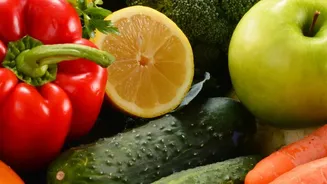
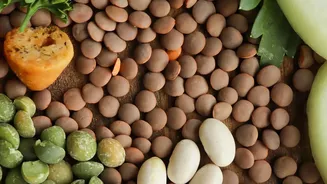
So, what does the UN consider a 'healthy diet'? It’s not about a single superfood or a restrictive plan. Instead, the definition is based on achieving a balanced intake from various food groups to meet nutrient requirements. This includes a healthy mix of staples like grains and pulses, but critically, it also requires sufficient quantities of fruits, vegetables, dairy, and sources of protein. The problem, as the report points out, is the cost imbalance. Staples that provide calories are relatively cheap, but the diverse, nutrient-dense foods are not. For example, staple foods might account for only 13% of a healthy diet's cost, while animal products could make up nearly 30%. This disparity is the core reason why many families, even if not technically 'hungry' in terms of calories, are malnourished.
The High Cost of Variety in India
For India, the report's findings are particularly resonant. While the nation has made significant strides in reducing undernourishment over the past two decades, a large portion of the population still struggles with dietary quality. According to the latest data from 2025, an estimated 520.1 million people in India—over a third of the population (35.5%)—could not afford a healthy diet. The cost of such a diet in India was calculated at PPP $4.11 per person per day in 2025, which has increased by nearly 48% since 2017. This rising cost means that for many households, purchasing fruits, vegetables, and proteins in adequate amounts remains out of reach, forcing a reliance on cheaper, calorie-dense but nutrient-poor staples.
Why This Matters for National Policy
The affordability crisis is more than a household budget issue; it's a critical national challenge with long-term consequences for public health and economic productivity. The report highlights that traditional government policies, often focused on subsidising cereals like rice and wheat, have successfully tackled calorie deficits but can inadvertently make a diversified, healthy diet relatively more expensive. FAO Chief Economist Maximo Torero has pointed out that the focus needs to shift. The bottleneck isn't just on the farm; 70-75% of a healthy diet's cost is generated after food leaves the farm—in storage, transport, processing, and markets. This suggests that improving infrastructure like cold storage and rural roads could be more effective at lowering costs than simply subsidising staples.
The Path Forward: From Calories to Nutrition
The UN report serves as a crucial call to action, urging a pivot from a calorie-centric view of food security to one that prioritises nutritional quality and affordability. For India, this means building on the success of the Green Revolution by fostering agricultural diversification towards pulses, fruits, and vegetables. Experts suggest that strengthening value chains and investing in infrastructure are key policy levers. As India's progress is pivotal to global success in achieving 'Zero Hunger', the shift in focus from mere sustenance to wholesome nutrition is not just desirable but essential. The goal is to create a food system where a healthy plate is not a luxury, but an accessible choice for every citizen.