



The Punjabi Style: Firmness and a Golden Crust
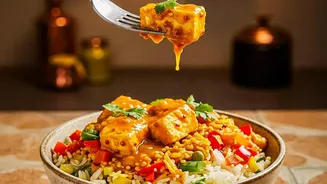
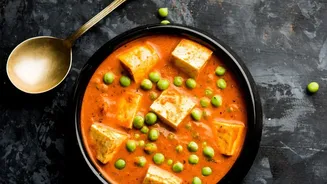
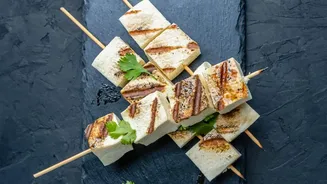
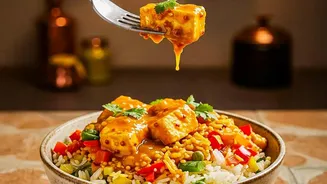
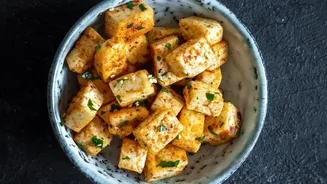
In the heartlands of North India, particularly Punjab, paneer is synonymous with substance. The technique here is all about creating a robust, toothsome bite. Paneer cubes are often pan-fried or sometimes deep-fried until they develop a light golden-brown
crust before being added to iconic dishes like Matar Paneer or Shahi Paneer. This searing isn't just for colour; it creates a textural barrier. The firm exterior prevents the paneer from crumbling into the gravy, allowing it to absorb the flavours of the sauce while maintaining its distinct, chewy identity. This method transforms the mild-mannered cheese into a hearty component, capable of standing up to rich, creamy, tomato-based curries without losing its shape or becoming mushy.
The Bengali Art of Chhena: Softness and Subtlety
Travel east to West Bengal and Odisha, and you'll find a completely different philosophy. Here, paneer is known as chhena, and the technique prioritises a soft, moist, and delicate texture. Unlike its firm Punjabi counterpart, chhena is made by curdling milk and only lightly draining the curds, never pressing them for long periods. This results in a cheese that is crumbly and retains moisture. The real artistry lies in kneading the fresh chhena with the palm of the hand until it's smooth and pliable. This technique is fundamental to the creation of Bengal's legendary sweets like the spongy Rasgulla and the delicate Sandesh, where a dense, firm texture would be undesirable. Even in savoury dishes like Chhenar Dalna (chhena balls in gravy), the goal is a melt-in-the-mouth softness, a stark contrast to the chewiness prized elsewhere.
The All-Rounder Technique: Crumbled for Bhurji
Not every paneer technique is about preserving its shape; sometimes, it's about completely breaking it down. Paneer Bhurji, a beloved dish across the country, is the ultimate example. Here, a block of paneer is simply crumbled by hand and then scrambled with onions, tomatoes, and spices. This method isn't tied to one specific region but represents a versatile approach that changes the cheese's role entirely. Instead of distinct cubes, the crumbled paneer integrates fully with the masala, creating a soft, savoury, and scoopable dish that's perfect for breakfast with toast or as a quick weeknight meal with rotis. The technique is simple but transformative, proving that how you cut—or don't cut—your paneer can define the entire dish.
Beyond the Obvious: Soaking, Stuffing, and Grating
Beyond these primary methods lie a host of other subtle techniques. A common home-cooking trick to ensure store-bought paneer stays soft is to soak the cubes in warm, salted water for 10-15 minutes before cooking. This rehydrates the cheese, preventing it from turning rubbery in the pan. Another technique is grating. When grated, paneer becomes a flavour and texture enhancer rather than the main event. It’s used as a rich, soft filling in Paneer Parathas or mixed with potatoes and spices to form the body of a Paneer Kofta. In these forms, the technique of changing the paneer's physical shape allows it to deliver creaminess and protein from the inside out, blending seamlessly into its surroundings.