



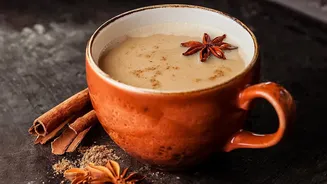
A Persian Legacy in the Deccan
The story of Irani chai begins in the 19th century with the arrival of Persian immigrants in India. Fleeing political and sectarian strife, many from the Yazd and Kerman regions of Iran journeyed to the subcontinent, with a significant number settling
in cities like Mumbai, Pune, and eventually, Hyderabad. They were drawn to the Deccan in part by the region's existing Persian-influenced culture under the Nizams. These immigrants brought with them their love for tea, a cornerstone of Persian social life. They established cafes that quickly became cultural hubs, places where people from all walks of life could gather for 'Chai pe Charcha' or discussions over tea. These cafes were not just businesses but social melting pots, welcoming people of all castes and religions, a progressive stance in a time of rigid social hierarchies.
The Art of a Perfect Brew
What sets Irani chai apart is its unique preparation method, a departure from both traditional Persian black tea and Indian masala chai. In Iran, tea is typically consumed black, but to appeal to local tastes, the immigrants adapted. The process is a patient one, often described as a 'double decoction'. First, a strong tea concentrate, known as 'tarri' or 'qawa', is made by simmering tea leaves in a sealed pot for hours. Separately, full-fat milk is slow-cooked, often for an equally long time, until it reduces, thickens, and develops a rich, creamy consistency. Some recipes even incorporate mawa or khoya (milk solids) to enhance this creaminess. The two liquids are only combined at the moment of serving, with the hot, thickened milk poured into a cup followed by the potent tea decoction. This method ensures a perfectly balanced, velvety texture and a taste that is strong yet smooth, and sweet without being overpowering.
The Irani Cafe Experience
An authentic Irani chai experience is inseparable from the ambiance of the cafes themselves. Many of these establishments, some over a century old, feature distinctive decor with vintage wooden furniture, marble-top tables, and checkered tablecloths. They were designed to be affordable and welcoming, allowing patrons to linger for hours over a single cup. The classic pairing for a cup of Irani chai is just as iconic: the slightly sweet, crumbly Osmania biscuit, named after the last Nizam of Hyderabad, or the simple pleasure of a 'bun maska', a soft bread roll slathered with butter. For many Hyderabadis, the day traditionally begins or ends at an Irani cafe, with a cup of chai and a plate of biscuits, watching the city go by.
A Tradition in Transition
Today, many of Hyderabad’s legendary Irani cafes continue to thrive, preserving a priceless piece of the city's heritage. Places like Nimrah Cafe near the Charminar, Grand Hotel in Abids, and Cafe Niloufer have become institutions, beloved by locals and tourists alike. These cafes are not just serving tea; they are safeguarding a cultural legacy passed down through generations. However, the tradition has faced challenges. The rise of modern coffee culture and increasing operational costs have led to the closure of many older cafes. Despite this, the allure of Irani chai remains strong. It stands as a delicious symbol of Hyderabad’s composite culture, a blend of Persian heritage and Indian hospitality that continues to warm the hearts of all who taste it.