



The Soul-Warming Brew of the Himalayas
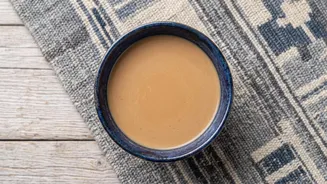
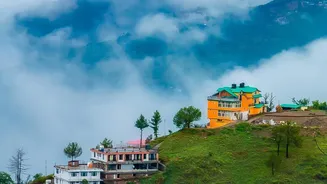
In the high-altitude desert of Ladakh, where temperatures regularly plummet below freezing, survival dictates sustenance. Here, the go-to beverage is 'gur gur chai', or butter tea. It's a rich, savoury, and warming concoction that bears little resemblance
to the sweet, milky tea found elsewhere in India. Traditionally, it is made by churning tea leaves, water, salt, and, most importantly, yak butter. Each ingredient is a direct response to the harsh environment. Living at over 11,000 feet in a cold, dry climate is physically demanding. The high-fat content from the yak butter provides a dense source of calories, offering sustained energy and helping insulate the body against the bitter cold. The salt is just as crucial. At high altitudes, the dry air can lead to dehydration, and the salt helps the body retain water and replenish essential electrolytes lost. More than just a drink, gur gur chai is a vital part of the Ladakhi diet, often consumed throughout the day to stay warm, hydrated, and energised.
The Energetic Pulse of a Coastal Metropolis
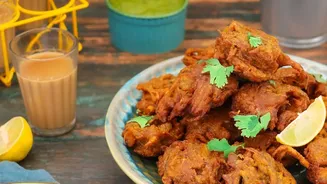
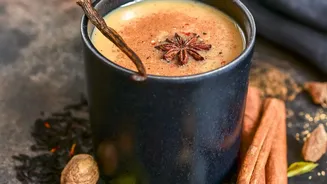
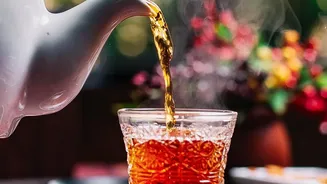
Travel over 2,000 kilometres south to the bustling, humid metropolis of Mumbai, and you'll find a completely different tea culture. Here, the city runs on 'cutting chai', a strong, sweet, and fragrant masala tea served in small glasses. The name 'cutting' refers to the half-portion, designed for a quick, affordable energy boost. The recipe is a blend of strong black tea, milk, sugar, and a mix of spices like cardamom, ginger, cloves, and cinnamon. In Mumbai's hot and humid climate, the purpose of tea is not to provide long-lasting warmth but to offer a quick jolt of energy to fuel the city's famously fast-paced life. The sugar provides an instant glucose spike for workers, students, and commuters on the go. The spices, rooted in Ayurvedic traditions, are not just for flavour; ginger is believed to aid digestion, while cardamom and cloves add a fragrant complexity that defines the brew. Chai stalls, or 'tapris', are social hubs, integral to the fabric of the city where business deals are made and friendships are forged over a steaming glass.
A Direct Comparison: Fat vs. Sugar
Placing these two teas side-by-side reveals a story of perfect adaptation. Ladakhi butter tea is a lesson in survival engineering. It’s high in fat and salt, designed for slow-release energy, warmth, and hydration in a cold, arid, and oxygen-thin environment. Its purpose is fundamentally physiological, a necessary shield against the elements. Mumbai chai, on the other hand, is built for the social and economic rhythms of an urban jungle. It's high in sugar and spices, designed for a quick burst of energy and a moment of social connection in a hot, crowded, and relentless city. One is savoury, thick, and almost like a soup, meant to be consumed as a core part of a meal. The other is sweet, aromatic, and liquid, designed for quick sips between tasks. Neither is 'better' than the other; they are simply different solutions to entirely different environmental and cultural demands.
More Than Just a Drink
Ultimately, both gur gur chai and cutting chai are deeply woven into the cultural identity of their regions. In Ladakh, offering a guest butter tea is a fundamental gesture of hospitality, a ritual that signifies warmth and community in a challenging landscape. It’s a drink of resilience. In Mumbai, chai is the great equaliser, a beverage shared by everyone from millionaire executives to daily wage labourers. It's the punctuation mark in the city's daily narrative, a symbol of its relentless energy and the small pauses that make it bearable. These two cups tell us that what we eat and drink is rarely an accident of taste alone. It is a living record of our history, our geography, and our incredible ability to adapt, finding comfort and sustenance in a cup, no matter the climate.