



A River of Ice with a Crucial Role
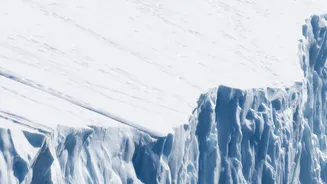
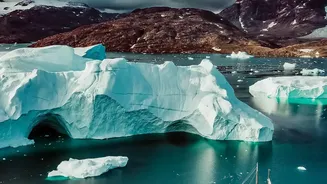
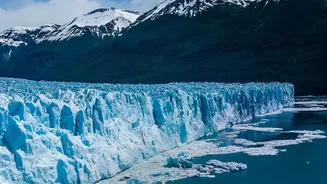
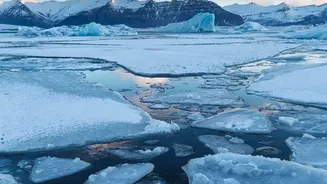
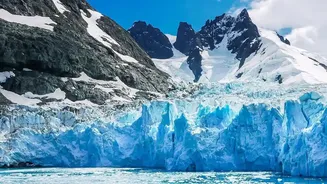
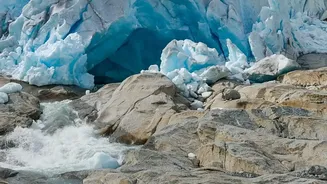
Imagine a glacier so vast it drains a significant portion of the Greenland Ice Sheet. That's the Petermann Glacier. It flows towards the Arctic Ocean, ending in a long, narrow protrusion of floating ice known as an ice tongue. This isn't just any ice;
Petermann’s tongue is one of the most significant in the Northern Hemisphere. For years, this floating extension has acted like a cork in a bottle, playing a vital role in regulating the glacier's flow into the sea. Its sheer size and the way it's wedged within a fjord create a buttressing effect, holding back the massive, land-based glacier behind it.
The Science of an Unstable Cork
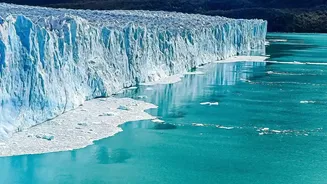
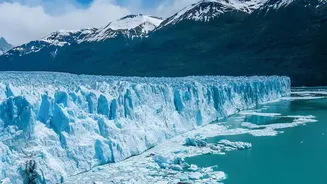
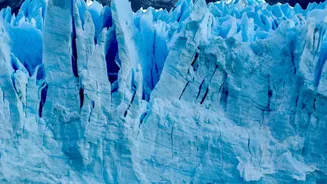
It's a common misconception that a floating iceberg melting directly causes a major rise in sea level; like an ice cube melting in a glass, the water level doesn't change much because the ice was already displacing water. The real danger with Petermann's ice tongue lies in its role as a gatekeeper. As warmer ocean water melts the tongue from below and warmer air melts it from above, the tongue weakens, thins, and becomes prone to breaking. This process is like slowly loosening the cork. When large pieces break off—a process known as calving—the buttressing force is reduced. Without that pressure holding it back, the land-based glacier behind it can accelerate its march to the sea.
A History of Dramatic Break-Ups
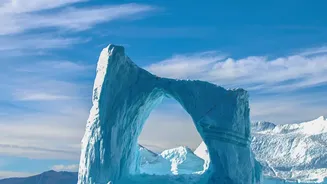
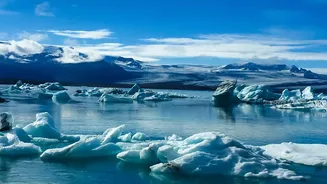
Petermann Glacier is no stranger to dramatic change. In 2010 and 2012, it lost enormous sections of its ice tongue, events that captured global attention. More recently, in August 2026, a massive ice island roughly the size of Manhattan broke away. This event was the glacier's largest loss of floating ice since 2012 and was anticipated by scientists who had been monitoring growing cracks and fractures for years. These calving events are not isolated incidents but part of a larger trend. The glacier is being attacked on two fronts: by a warming atmosphere and, more critically, by warmer Atlantic ocean currents circulating beneath the ice tongue, melting it from its most vulnerable point.
The Global Impact of a Faster Flow
When the Petermann Glacier accelerates, it dumps more ice from the land into the ocean. This is new water being added to the sea, and it is this process that directly contributes to global sea-level rise. The Greenland Ice Sheet as a whole holds enough frozen water to raise global sea levels by over 7 meters if it were to melt completely. While that scenario is not imminent, the accelerating melt, exemplified by glaciers like Petermann, is a primary driver of the sea-level rise we are already experiencing. Since 2002, Greenland's ice loss has contributed significantly to the rise in ocean levels.
Why It Matters for India
What happens in the remote Arctic does not stay in the Arctic. The extra water from Greenland's melting ice spreads across the world's oceans, threatening coastal communities everywhere. For India, with its long 7,500-kilometre coastline and densely populated coastal cities, the threat is profound. Rising sea levels lead to increased coastal flooding, erosion, and the contamination of freshwater sources with saltwater. Cities like Mumbai, Kolkata, and Chennai are already facing a heightened risk of more frequent and severe floods. The stability of a distant ice tongue in Greenland is directly linked to the future security of India's coastal infrastructure, agriculture, and the lives of millions of its citizens.