






The Scale of the Stoppage
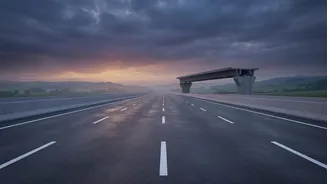
The numbers paint a clear picture of a widespread issue. According to figures presented in Parliament in mid-2026, a staggering 629 out of 1,191 active national highway projects were running behind schedule. This means over 52% of the country's ambitious
road-building efforts are facing significant delays. While some projects are only slightly behind, others are chronically late, with 85 projects delayed by more than three years as of early 2026. The problem is not confined to one region. States with major delays include Maharashtra, with 60 delayed projects, and Karnataka with 47. Even smaller states like Kerala and Nagaland have seen the vast majority of their highway projects overshoot their target completion dates.
The Land Acquisition Labyrinth
Ask any expert or government official, and they will point to one primary culprit: land acquisition. Before a single kilometre of road can be paved, the government must acquire vast stretches of land, often from thousands of individual owners. This process is a complex legal and social maze. Disputes over compensation, disagreements on rehabilitation packages for displaced families, and lengthy court cases frequently bring projects to a grinding halt. In response to this persistent bottleneck, the government has increasingly turned to digital solutions like the 'BhoomiRashi' portal, designed to streamline and expedite land acquisition and compensation payments. However, the challenge remains the single biggest hurdle to timely project completion.
Red Tape and Environmental Hurdles
Beyond land, projects often get entangled in a web of bureaucratic red tape. A highway project requires numerous statutory clearances, from environmental and forest permissions to approvals for shifting utilities like power lines and water pipes. Each of these represents a potential point of delay. Minister for Road Transport and Highways, Nitin Gadkari, has frequently cited these clearances as a major reason for the slowdown in highway construction. To combat this, the ministry has made a deliberate decision not to award work orders until at least 90 percent of land is acquired and all environmental clearances are secured. While this may slow the initial awarding of projects, the aim is to ensure a smoother, faster construction phase once work begins.
Contractor Woes and Financial Crunch
The responsibility for delays does not lie with the government alone. The performance of construction companies is another critical factor. Issues range from a financial crunch affecting a contractor's ability to execute the project, to poor site management and supervision. In some cases, contractors simply underperform. The government has signaled a tougher stance on this front, with officials vowing to blacklist contractors who are responsible for poor execution or significant delays. Between 2023 and 2026, 103 contractors and concessionaires were penalised or blacklisted for poor-quality work, indicating a growing intolerance for substandard performance.
The Economic Ripple Effect
These delays are more than just an inconvenience for commuters; they have significant economic consequences. Every delay increases the project's cost, leading to massive budget overruns that ultimately fall on the taxpayer. A Comptroller and Auditor General (CAG) report highlighted how some projects under the Bharatmala Pariyojana saw costs balloon dramatically. The stalled progress also means the economic benefits of improved connectivity—faster movement of goods, reduced logistics costs, and increased industrial productivity—are postponed, putting a drag on regional and national economic growth. Furthermore, incomplete or poorly maintained highways contribute to safety issues, with delayed projects often linked to higher accident rates.