




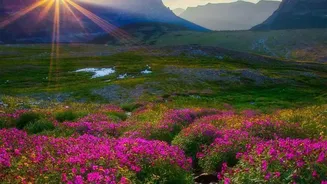
A Once-in-a-Dozen-Years Spectacle
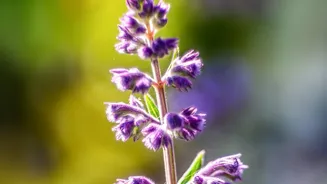
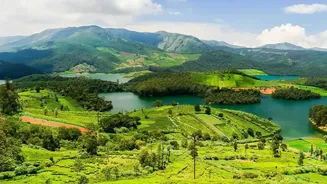
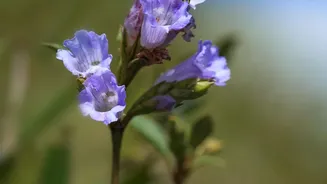
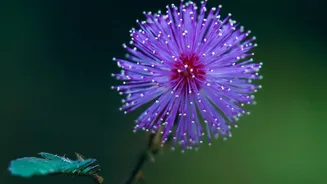
Neelakurinji, or Strobilanthes kunthiana, is a shrub that is endemic to the shola forests of the Western Ghats. What makes it extraordinary is its highly unusual life cycle: it blooms gregariously only once every 12 years. This synchronized mass flowering
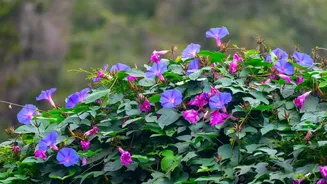
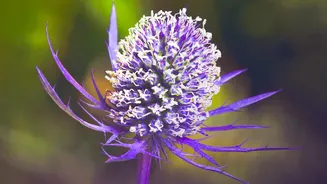
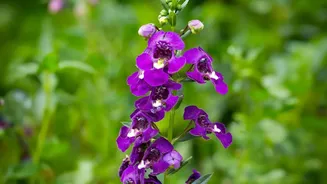
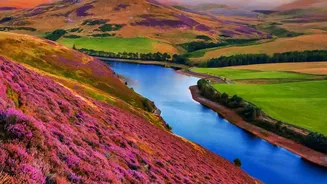
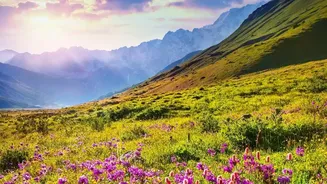
transforms entire landscapes into a breathtaking vista of blue, drawing nature lovers from across the globe. The name 'Nilgiris,' meaning Blue Mountains, is believed to have originated from this very phenomenon. The Paliyan tribal community even traditionally used the flower's 12-year cycle to calculate their age. The last major bloom occurred in 2018, with the next one eagerly anticipated in 2030.
More Than Just a Pretty Flower
The beauty of the Neelakurinji is just one part of its story. Ecologically, it is a cornerstone species. When it blooms, it provides a massive feast of nectar for honey bees, leading to the production of a rare and highly prized 'Kurinji honey'. This event is critical for specific pollinators adapted to this cyclical abundance. Beyond its role in pollination, the plant helps prevent soil erosion on the steep mountain slopes. Its life cycle is a delicate dance with nature; after flowering, the plant sets seed for the next generation and then dies. This makes its single blooming event absolutely crucial for its continued existence. Any disruption can have a cascading effect on the entire ecosystem.
Why Plucking Is Strictly Forbidden
The very thing that makes Neelakurinji famous—its rarity and beauty—also makes it vulnerable. The surge in tourism during blooming seasons has led to increased human interference. Many visitors, wanting a beautiful souvenir, are tempted to pluck the flowers. This act, however innocent it may seem, is devastating for the species. Plucking the flowers means the plant cannot produce seeds. Without seeds, there can be no new saplings to continue the 12-year cycle. A single plucked flower represents a lost opportunity for an entire generation of plants, threatening the future of these magnificent blooms. It's for this reason that authorities have moved to protect this natural heritage with the full force of the law.
The Law and Its Consequences
In response to the growing threats, the Ministry of Environment, Forest and Climate Change has listed Neelakurinji under Schedule III of the Wildlife (Protection) Act, 1972. This officially makes it a protected plant. The law is not a gentle suggestion; it comes with severe penalties. Anyone caught uprooting, destroying, or even possessing the plant can face a fine of up to ₹25,000 and imprisonment for up to three years. Cultivating the plant is also illegal. Forest department officials are authorised to enforce these rules strictly, especially within national parks and protected forest areas where the flower primarily blooms.
How to Be a Responsible Kurinji Watcher
Witnessing the Neelakurinji bloom is a privilege, and enjoying it responsibly is key to its preservation. The primary viewing area, Eravikulam National Park near Munnar, has clear guidelines for visitors. The most important rules are simple: do not pluck any flowers or harm the plants in any way. Stick to the designated paths and avoid trampling the shrubs. These areas are often ecologically sensitive and home to other wildlife, including the endangered Nilgiri Tahr. Remember that these zones are strictly plastic-free, so carry reusable water bottles and do not litter. The goal is to leave the hills as pristine as you found them, ensuring this natural wonder can be experienced by generations to come.