





The Science of Sweetness
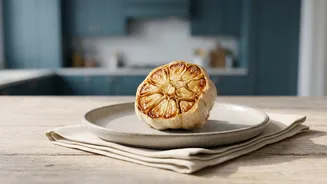
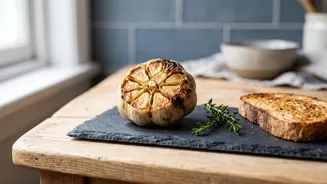
So, what exactly happens inside that foil-wrapped bulb? It's all down to chemistry. The intense heat of the oven tames garlic's famously pungent sulfur compounds. As the cloves soften, two key processes occur: caramelization and the Maillard reaction.
Caramelization is the breakdown of the natural sugars in the garlic, which creates sweet and nutty notes. The Maillard reaction is a chemical reaction between amino acids and those sugars, generating hundreds of new aromatic compounds that give roasted garlic its signature earthy, umami-rich character. The result is a complete flavor transformation from sharp and aggressive to mellow, buttery, and gently sweet. It's this depth that makes it such a versatile and beloved ingredient.
1. Next-Level Mashed Potatoes
Perhaps the most classic use for roasted garlic is in mashed potatoes. The soft, creamy cloves blend seamlessly into the potatoes, infusing them with a subtle sweetness and a savory depth that feels far more complex than the effort required. While the potatoes are boiling, simply squeeze the roasted cloves from their skins and mash them into your melted butter or cream before mixing everything together. The roasted garlic melts into the background, providing a foundational flavor that complements everything from a simple weeknight chicken dinner to a holiday roast. It turns a standard side dish into a memorable one.
2. A Richer, Deeper Pasta Sauce
Whether your go-to is a classic tomato marinara or a creamy Alfredo, roasted garlic can add a layer of flavor that tastes like the sauce has been simmering for hours. Mash the roasted cloves into a paste and add them to the pan along with your other aromatics, like onions or shallots. For a tomato-based sauce, the sweetness of the garlic balances the acidity of the tomatoes beautifully. In a cream or butter-based sauce, it provides a nutty counterpoint that prevents the dish from feeling too heavy. It's an effortless way to upgrade a simple pantry meal into something special.
3. The Ultimate Garlic Bread
Move over, garlic powder. For truly exceptional garlic bread, there is no substitute for the real thing. Once your garlic is roasted and cooled, squeeze the soft cloves into a bowl with softened butter, a pinch of salt, and some fresh parsley. Mash everything together until you have a smooth, spreadable paste. This roasted garlic butter is less about a sharp, pungent bite and more about a rich, savory, and slightly sweet flavor. Spread it generously on a sliced baguette or your favorite bread and bake until golden and fragrant. The aroma alone is worth the effort, and the taste is incomparably delicious.
4. A Simple, Velvety Soup
Roasted garlic has enough flavor to be the star of its own dish, and nowhere is that more apparent than in a simple roasted garlic soup. With just a few ingredients—roasted garlic, sautéed onions, broth, and perhaps a potato for body—you can create a soup that is astonishingly flavorful and comforting. The roasted garlic gives the soup a velvety texture and a sweet, earthy taste that is both elegant and satisfying. After simmering the ingredients together, a quick blend is all it takes to create a creamy, restaurant-quality soup perfect for a chilly evening.
5. A Flavorful Vinaigrette
Even a simple salad can get the roasted garlic treatment. Raw garlic can often overpower a delicate vinaigrette, but its roasted counterpart adds a creamy texture and a mellow, nutty flavor. To make it, just mash a few roasted cloves into a paste and whisk them with olive oil, vinegar (like white wine or red wine vinegar), a touch of Dijon mustard, and a little honey or maple syrup. The garlic helps to emulsify the dressing, making it smooth and less likely to separate. It's a fantastic way to dress simple greens or drizzle over roasted vegetables.