




The New Coffee Frontier
The battle for caffeine dominance is moving beyond the saturated markets of Mumbai, Delhi, and Bengaluru. A growing number of specialty coffee companies, from established players like Starbucks to homegrown brands like Roastery Coffee House and Blue Tokai,
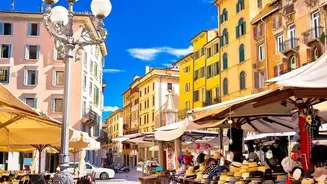
are strategically expanding into smaller urban centers. Cities such as Lucknow, Jaipur, Nagpur, and Indore are emerging as the new frontiers for a premium coffee experience that was once the exclusive domain of Tier-1 cities. This expansion isn't just about adding more stores; it's a calculated bet on a new, aspirational Indian consumer and a sign that the country's consumption story is being rewritten.
What's Driving the Demand?
Several factors are fueling this shift. Firstly, there is a significant rise in disposable income and aspirational spending in non-metro cities. Secondly, the widespread adoption of digital platforms and social media has flattened the aspiration curve; consumers in smaller cities are now exposed to the same global trends as their metro counterparts. A generational shift is also at play, with younger, well-traveled consumers bringing a taste for high-quality coffee back to their hometowns. Furthermore, the rise of remote work has meant that more young professionals are staying in or returning to these cities, creating a larger, more discerning customer base that was previously absent.
Brewing a Local Strategy
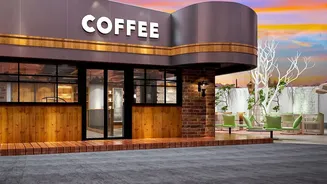
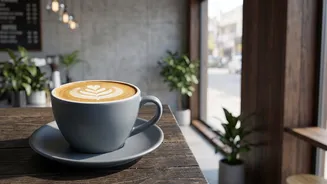
Entering these new markets requires more than a simple copy-paste of the metro model. Competition is lower and rents can be more affordable, allowing for larger, more experience-focused cafes. However, success hinges on accessibility and education. Brands are finding they must invest in making specialty coffee feel inclusive rather than intimidating. This involves creating welcoming spaces, hosting public cupping sessions, and educating customers on what makes specialty coffee different. For some, like Roastery Coffee House, this means creating large, hospitality-driven cafes in residential areas, while others focus on quick-service models as the market matures.
The Grind of Ground Realities
The opportunity in Tier-3 cities comes with its own set of challenges. Logistics and supply chain complexities can be a significant hurdle, as reaching numerous pin codes with consistent, timely deliveries is difficult. For premium brands, the cost of goods, personnel, and high-quality store interiors remain largely the same as in metros, challenging the myth of automatic profitability. There's also the challenge of payment preferences, with a higher tendency for cash-on-delivery in some areas, and the need to communicate in regional languages to build trust and inclusivity. Above all, the process of building a market for a premium product priced at ₹200-₹250 per cup is a slow, deliberate effort.
More Than Just a Cup of Coffee
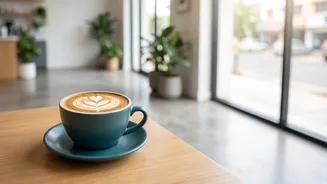
The arrival of these modern cafes is about more than just a beverage; it's about creating new social hubs and reflecting a lifestyle shift. In many smaller cities, these spaces are becoming community centres where people meet, work, and socialise. This expansion is a powerful indicator of a broader trend: the emergence of a confident, digitally-native, and aspirational consumer base across 'Urban Bharat'. As brands cater to this demand, they are not just selling coffee but are participating in and accelerating a significant cultural and economic transformation taking place across the country.