






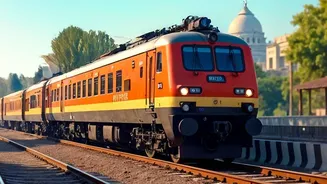

From an Overnight Haul to a Coffee Break
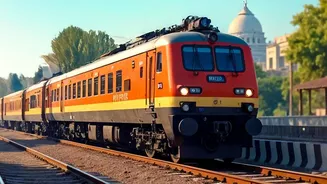
Currently, travelling the roughly 800-kilometre distance between Delhi and Varanasi by train takes anywhere from eight to twelve hours. Even the fastest services, like the Vande Bharat Express, require around eight hours to complete the journey. This
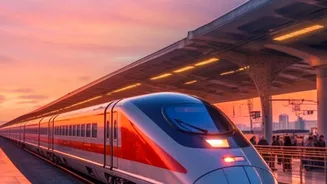
makes it an overnight trip for many, consuming a significant amount of time for pilgrims, tourists, and business travellers alike. The proposed Delhi-Varanasi High-Speed Rail (HSR) corridor aims to change this dramatically. With trains operating at speeds up to 350 km/h, the journey time is expected to be cut to just under four hours. That’s less than half the time it takes today, turning a long haul into a comfortable morning or afternoon trip.
Introducing the Bullet Train
This ambitious project is part of a larger national vision for high-speed rail in India. Spearheaded by the National High Speed Rail Corporation Limited (NHSRCL), the Delhi-Varanasi line is poised to be the country's second major bullet train project after the Mumbai-Ahmedabad corridor. The plan involves building a dedicated, largely elevated track to ensure safety and consistent high speeds. The corridor will feature around 12 stations, connecting key urban centres across Uttar Pradesh, including Noida, Agra, Lucknow, and Prayagraj, before reaching Varanasi. This network of stops is designed to integrate the entire region, not just the two terminal cities.
Connecting More Than Just Cities
The impact of this project extends far beyond reducing travel time. By connecting Delhi to the heart of Uttar Pradesh, the corridor is expected to create a powerful economic artery. It will provide a major boost to tourism, especially for the religious circuits of Ayodhya, Prayagraj, and Varanasi. The inclusion of a stop at the upcoming Noida International Airport at Jewar will create a seamless multi-modal link for domestic and international travellers. Furthermore, a proposed spur line aims to connect Ayodhya, further enhancing access for pilgrims. For businesses, the corridor promises to improve connectivity, facilitate the movement of talent, and foster regional development across India's most populous state.
The Current State of Play
Announced as one of seven new high-speed corridors in the Union Budget for 2026-27, the project is currently in the advanced planning stages. The NHSRCL has been tasked with preparing and finalising the Detailed Project Report (DPR), which involves meticulous route surveys using modern techniques like LiDAR, environmental impact assessments, and land acquisition planning. While a final green light for construction is pending, the groundwork is actively being laid. Standardised designs for tunnels and underground stations are already being prepared, indicating that engineering work is progressing.
Challenges on the Track Ahead
Like any mega-project, the Delhi-Varanasi corridor faces significant hurdles. The estimated cost is substantial, and securing the necessary funding is a major step. Land acquisition for such a long route is historically one of the biggest challenges for infrastructure projects in India, often leading to delays. As seen with the Mumbai-Ahmedabad line, ensuring all clearances are in place and navigating the complexities of construction through varied terrains, including densely populated areas, will be a monumental task. The government is aiming to complete all statutory and land acquisition processes before giving the final project approval to ensure a smoother execution phase.