

The Golden Touch
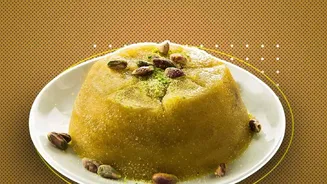
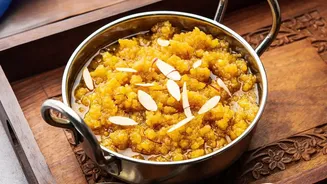
Aloo Halwa, or potato halwa, is a cherished sweet across North India, often prepared during fasting periods like Navratri or simply as a comforting winter treat. Its beauty lies in its simplicity: potatoes, ghee, and sugar cooked down into a rich, dense
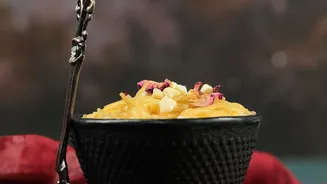
pudding. While delicious on its own, the addition of saffron—known as 'kesar'—transforms the dish entirely. Saffron imparts a stunning golden-yellow colour and a unique, subtly floral and earthy aroma that cuts through the richness, making the halwa feel significantly more special. It’s a simple step that signals an occasion, turning a humble dessert into a luxurious experience.
Unlocking Saffron’s Potential
To get the most out of this precious spice, you can't just toss the threads into the pan. The key is a technique called 'blooming'. Before you start cooking, take a generous pinch of saffron strands (about 15-20) and steep them in two to three tablespoons of warm milk for at least 15 minutes. The milk should be warm, not boiling, to properly extract the saffron's colour (from crocin) and its delicate aroma (from safranal) without destroying the fragile compounds. This pre-soaked saffron milk, added towards the end of the cooking process, will ensure its flavour and colour are distributed evenly throughout the halwa.
Ingredients for Your Halwa
This recipe serves about four people and balances richness with flavour. You will need: 4 medium-sized potatoes (about 500g), boiled, peeled, and grated or mashed until smooth; 1/2 cup of ghee (clarified butter); 3/4 to 1 cup of sugar, adjusted to your preference; a generous pinch of high-quality saffron strands; 2-3 tablespoons of warm milk; 1/2 teaspoon of cardamom powder; and 2 tablespoons of chopped nuts like almonds and pistachios for garnish. Using good quality ghee is crucial, as its flavour is central to the final taste.
The Method: A Step-by-Step Guide
First, boil the potatoes until they are very soft, then peel and grate them. Grating ensures a smoother texture with fewer lumps. While the potatoes cool, soak your saffron strands in warm milk. Next, heat the ghee in a heavy-bottomed or non-stick pan over medium heat. Add the grated potato and begin to sauté. This is the most important step. You must stir continuously for 10-15 minutes. The potato mixture will first absorb the ghee, then slowly change colour to a light golden brown and start to release a nutty aroma as the ghee separates from the sides of the pan. This indicates it's time to add the sugar. The mixture will become loose and liquidy again as the sugar melts; keep stirring until it thickens. Finally, add the bloomed saffron milk and cardamom powder, stirring for another few minutes until the halwa comes together into a single, glossy mass.
Tips for Halwa Perfection
Patience is key. The continuous roasting of the potato in ghee is what develops the deep, nutty flavour of the halwa, so don't rush this step. Constant stirring is non-negotiable to prevent the potato from sticking to the bottom of the pan and burning. For a richer taste, you can replace some of the water or milk in other recipes with a splash of milk in this one, which also helps in creating a creamier texture. Some recipes suggest using milk, but the classic preparation relies on the moisture from the potatoes and the melted sugar. Serve the Aloo Halwa warm, garnished with your favourite chopped nuts for a bit of crunch that contrasts beautifully with the soft, decadent pudding.