


A Shock to the System
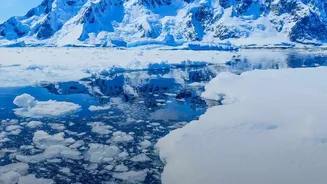
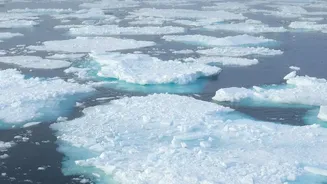
Scientists at the National Snow and Ice Data Center (NSIDC) have confirmed that Antarctica’s winter sea ice reached its maximum extent for the year on September 14. At 17.59 million square kilometres, this is the third-lowest maximum in the 48-year satellite
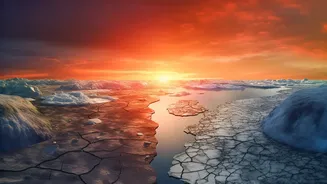
record. The peak fell about one million square kilometres short of the long-term average—an area roughly twice the size of Spain. This isn't a one-off event. What alarms researchers is the emerging pattern: the four lowest winter sea ice maximums have all occurred in the last four years, signalling that the dramatic lows seen in both summer and winter recently are part of a worrying new trend. This suggests the system is behaving differently due to our warmed climate.
Why Antarctica Was Different
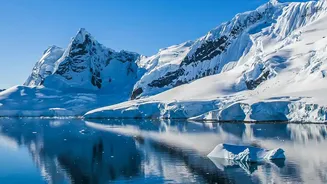
For a long time, Antarctica did not follow the script written in the Arctic, where sea ice has been in a steep, consistent decline for decades. In fact, Antarctic sea ice showed great year-to-year variability and even saw periods of growth up until around 2015. Unlike the Arctic, which is an ocean surrounded by land, Antarctica is a landmass surrounded by ocean. Its sea ice is more exposed and strongly influenced by complex interactions between wind patterns and ocean temperatures. Some studies suggest that for years, a layer of less salty, colder surface water, fed by increased precipitation, effectively acted as a lid, trapping warmer, saltier ocean water deep below and allowing sea ice to remain stable or grow.
The Southern Shield Is Lowering
The recent, sharp decline suggests that protective balance has been disrupted. Scientists are actively investigating the causes, but a leading theory points to a fundamental shift in ocean dynamics. Stronger winds, potentially linked to climate change, may now be driving more intense upwelling, pulling that trapped, warmer deep water to the surface where it is melting ice from below. Other contributing factors could include regional heatwaves, like one over the Antarctic Peninsula in June that saw temperatures 20C above normal, and the influence of climate patterns like El Niño, which can alter storm tracks and churn up the ocean. This combination of factors has led scientists to believe the system may have flipped into a new, prolonged low-ice state.
A Ripple Effect Across the Globe
The loss of Antarctic sea ice has consequences that extend far beyond the remote continent. While melting sea ice itself doesn't raise ocean levels because it's already floating, it plays a critical role in the planet's climate system. Firstly, the vast white surface of the ice reflects the sun's energy back into space, a phenomenon known as the albedo effect. Less ice means more dark ocean water is exposed, which absorbs heat and accelerates warming. Secondly, sea ice acts as a protective buffer for the continent's massive land-based ice shelves. Without it, these shelves are more exposed to ocean waves and warming waters, which can destabilize them and speed up the flow of glaciers from land into the sea. It is this melting of land ice that directly contributes to global sea-level rise, a critical threat for coastal communities everywhere.