




As Bihar prepares for Chhath Puja from November 13 to 16, 2026, the air will soon be thick with devotion. This ancient festival, dedicated to the Sun God, is a profound display of faith, endurance, and community that is deeply woven into the region's
cultural fabric.
What is Chhath Puja?
Chhath Puja is an ancient Hindu Vedic festival celebrated with immense fervour in Bihar, Jharkhand, and eastern Uttar Pradesh. It is a unique four-day observance dedicated to the solar deity, Surya, and Chhathi Maiya (believed to be the Sun God's sister) to express gratitude for the blessings of life on Earth. Unlike many other Hindu festivals, Chhath does not involve idol worship; instead, it focuses on honouring natural elements. Devotees, known as 'vratis', offer prayers for the well-being, prosperity, and longevity of their families, especially their children. The festival is a testament to discipline, purity, and faith, marked by rigorous rituals and fasting.
The Four Days of Rigorous Devotion
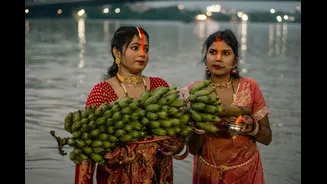
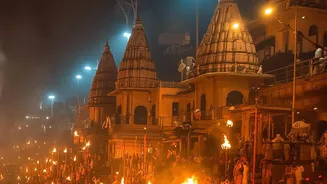
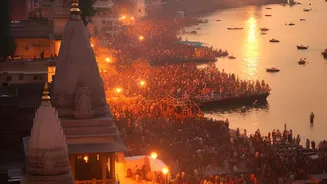
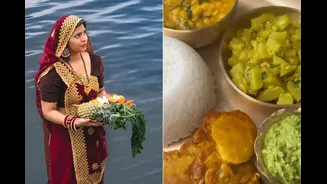
The festival unfolds over four distinct days. It begins on November 13 with 'Nahay Khay' (bathe and eat), where devotees take a holy dip in a river and eat a single, pure meal. The second day, November 14, is 'Kharna'. On this day, the vrati observes a day-long fast, which is broken after sunset with a special prasad of jaggery kheer and rotis. This meal marks the beginning of a strict 36-hour fast without food or water. The third day, November 15, features 'Sandhya Arghya', the evening offering. Families gather at riverbanks to offer prayers and prasad to the setting sun. The festival concludes before sunrise on November 16 with 'Usha Arghya', where similar offerings are made to the rising sun, after which the long fast is broken.
A Unique Reverence for the Sun
One of the most remarkable aspects of Chhath Puja is the worship of both the setting and rising sun. The offering to the setting sun ('Sandhya Arghya') is an expression of gratitude for the day's light and energy. It acknowledges the sun's contributions before it disappears for the night. The offering to the rising sun ('Usha Arghya') welcomes a new day and seeks continued blessings. This dual worship symbolises the cyclical nature of life, death, and rebirth, and a profound respect for the cosmic forces that sustain existence. It is a moment of deep spiritual connection, where devotees stand waist-deep in water, paying homage to the source of all life.
The Heartbeat of Bihar's Culture
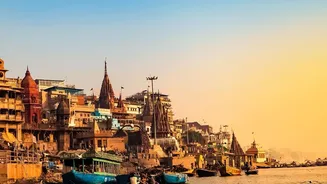
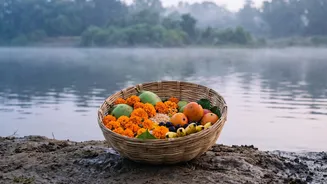
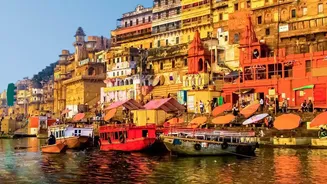
While Chhath is celebrated globally by the diaspora, it holds a special place in Bihar. It is more than a religious event; it is a cultural phenomenon that unifies communities, transcending caste and social status. The ghats of rivers like the Ganga and Kosi become a vibrant tapestry of shared faith. Families come together, folk songs narrating the festival's history fill the air, and the entire region participates in maintaining an atmosphere of sanctity. Even the local economy sees a surge, with high demand for traditional items like bamboo baskets ('soop'), earthen lamps, sugarcane, and specific fruits, many sourced from across the country. This collective participation reinforces Chhath's role as a cornerstone of Bihari identity and social harmony.