





Mind the Odour
One of the most common workplace complaints involves strong-smelling foods. While your leftover fish or spicy curry might be delicious, its aroma can linger long after your meal is finished, distracting and sometimes even causing nausea for those sensitive
to smells. Being considerate doesn't mean you have to stick to bland salads. However, it's wise to save particularly pungent meals for when you're working from home or can eat outdoors. If you must use the office microwave, covering your food with a paper towel can help contain both smells and splatters. This simple act shows an awareness of your shared environment and respect for your colleagues' comfort.
Clean Up After Yourself
The office kitchen is a communal space, and its upkeep is a shared responsibility. The number one rule of lunch etiquette is to leave the space as clean as, or cleaner than, you found it. This means wiping up spills on the counter or in the microwave, washing your dishes promptly instead of leaving them in the sink, and throwing away your trash. Leaving a mess, no matter how small, signals that you expect someone else to clean up after you. Taking a moment to tidy your area ensures the kitchen remains a pleasant and hygienic space for everyone and prevents the buildup of resentment among colleagues who feel they are constantly cleaning up after others.
Be a Good Refrigerator Neighbour
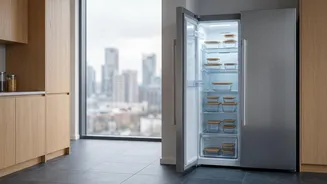
The office refrigerator can quickly become a chaotic and unhygienic space without clear rules and consideration. When storing your lunch, be mindful not to monopolize the limited space. Labeling your food is a simple but effective way to prevent mix-ups and deter would-be lunch thieves—another major source of office friction. Equally important is managing your leftovers. Don't let food items expire and turn into science experiments in the back of the fridge. Pay attention to any scheduled refrigerator clean-out days and make sure to remove your items beforehand. A well-maintained fridge is a sign of a respectful and functional workplace.
Keep Distractions to a Minimum
Many employees eat at their desks to catch up on work, which means the open-plan office often doubles as a dining room. If you're eating in a shared workspace, be mindful of the noise you create. Loud chewing, slurping, or excessively crunchy foods can be highly distracting for those trying to concentrate nearby. Similarly, avoid taking loud personal calls or watching videos without headphones during lunch hours, as the break room is a place for colleagues to decompress. Being aware of your volume demonstrates that you respect your colleagues' need for a peaceful break and a productive work environment. The goal is to refuel without disrupting the workflow of those around you.
Be Inclusive, Not Intrusive
The social dynamics of lunchtime can be tricky. While taking a break to eat with colleagues can be a great way to build relationships, it's important to read the room. If you're heading out for lunch or eating in the break room, a simple, open invitation can make colleagues feel included. However, it's also crucial to respect when someone wants to eat alone. Many people use their lunch break as a much-needed opportunity to recharge in solitude. Avoid pressing colleagues to join in or dominating conversations with work-related topics, which can defeat the purpose of a mental break. The key is to be genuine and respectful, fostering a culture where people can choose to connect or disconnect without pressure.