



Beyond a Simple Container
Choosing a planter is often the last step after bringing a new plant home, but it deserves just as much thought as the plant itself. A ceramic pot is a crucial design tool that bridges the gap between the natural, organic form of the plant and the curated
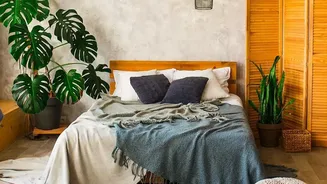
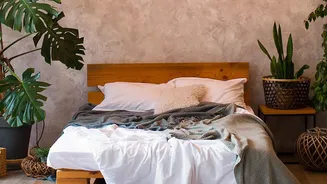
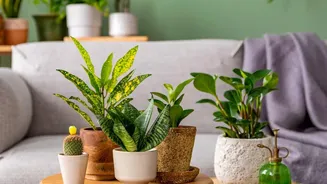
style of your living space. It's not just about holding soil; it's about elevating your interior decor. The perfect planter doesn't just house your plant; it harmonises with your furniture, wall colours, and overall ambience, creating a cohesive and intentional look. Whether your style is minimalist and modern or traditional and rustic, the right ceramic pot can unify the room and make the greenery truly pop.
The Art of Selecting Shape
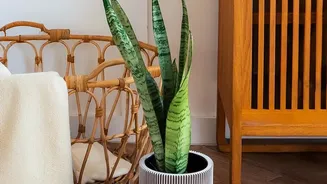
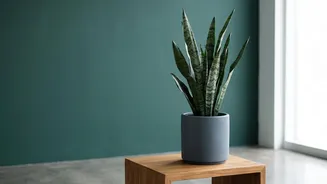
The shape of your planter has a significant impact on the room's visual flow. For contemporary or minimalist interiors defined by clean lines, consider planters with simple geometric forms like squares or sleek cylinders. These shapes reinforce a sense of order and calm. Conversely, rounded or tapered pots can soften the sharp corners of a room and add a gentle, organic feel. Think about the plant's natural form as well. A tall, slender pot can accentuate the vertical growth of a snake plant, while a wider, bowl-shaped planter complements the lush, overflowing nature of a fern. The goal is to create a balanced silhouette where the pot and plant feel like a single, unified sculpture.
A Symphony of Colour
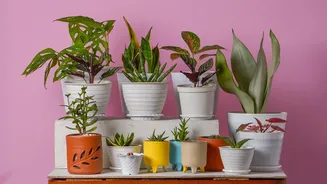
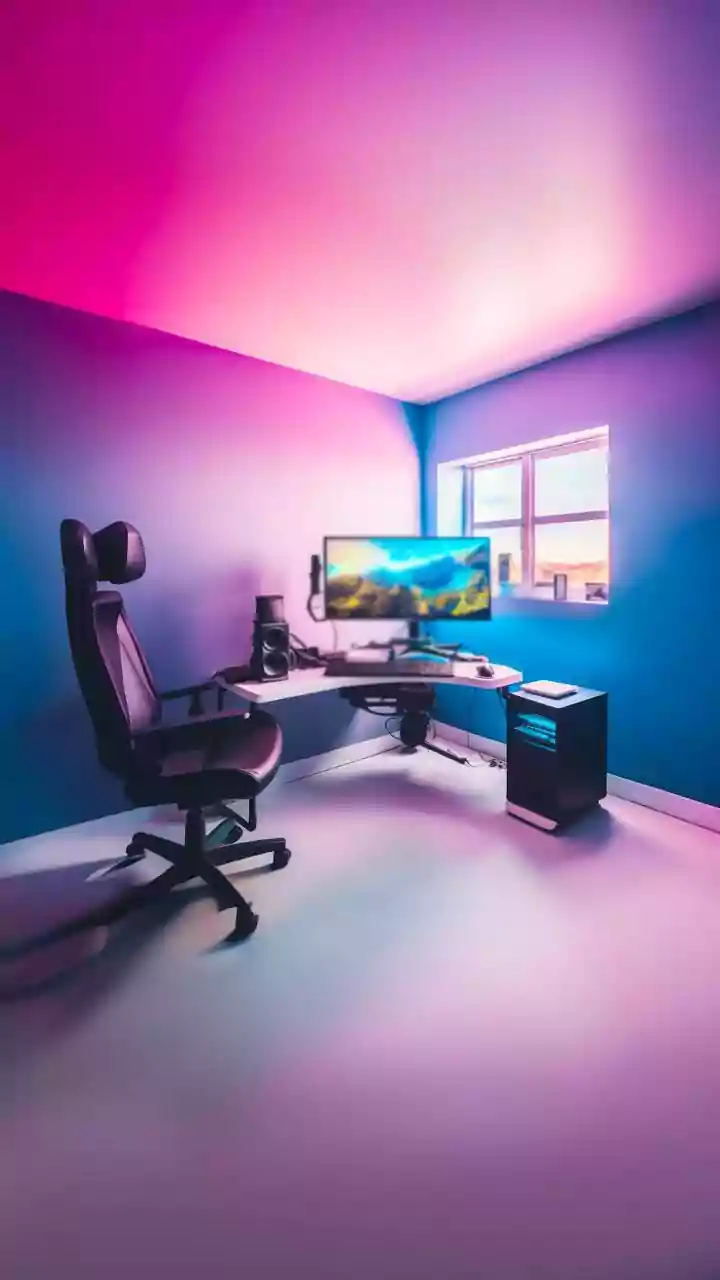
Colour is where you can truly express your personal style, but the key is harmony. The headline says it best: the pot should complement, not overpower. For a safe but effective choice, neutral-coloured pots in white, grey, or beige provide a clean, crisp backdrop that makes the plant's green foliage the star of the show. If you want to be more adventurous, look at your room's existing colour palette. You can choose a pot in an accent colour already present in your decor—like on a cushion or in a piece of art—to tie the room together. For a more dynamic look, select a complementary colour from the opposite side of the colour wheel; for example, a muted orange or terracotta pot in a blue-toned room can create a beautiful, subtle contrast.
Don't Forget Texture and Finish
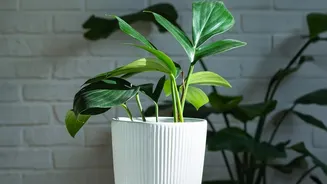
Beyond shape and colour, the texture of a ceramic planter adds another layer of sensory detail. A glossy, smooth finish reflects light and can bring a touch of sleek sophistication, working well in modern spaces alongside metallic accents. On the other hand, a matte or unglazed finish provides a more earthy, natural feel that suits rustic or bohemian decor. Textured pots with ribbed, dimpled, or hand-painted patterns introduce tactile interest and can turn a simple planter into a piece of functional art. This textural play is crucial for creating a rich, layered interior that feels thoughtfully designed rather than assembled by chance.
Getting the Scale and Proportion Right
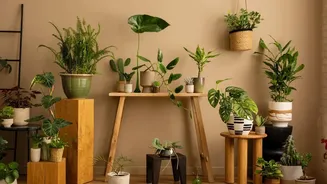
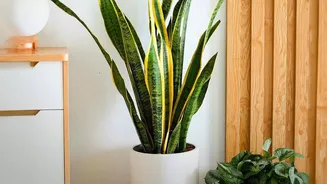
One of the most common mistakes is a mismatch in scale. A large, bushy plant crammed into a tiny pot looks strained, while a small, delicate plant can get lost in an oversized container. A good rule of thumb is to choose a pot that is roughly one-third the total height of the plant. Proportions should also be considered in relation to the surrounding space. A large, dramatic planter can serve as an impressive focal point in an empty corner of a living room. Smaller pots, however, are better suited for styling on bookshelves, side tables, or windowsills, where they can be grouped together in clusters of varying heights to create a dynamic display.