





What is BRICS and Why Does It Matter?
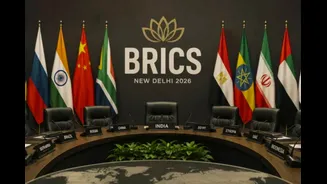
First, a quick refresher. BRICS is a grouping of major emerging economies that originally included Brazil, Russia, India, and China, with South Africa joining in 2011. The group has since expanded significantly. As of 2026, it includes Egypt, Ethiopia,
Iran, Saudi Arabia, the UAE, and Indonesia, bringing the total to eleven members. The bloc's agenda is structured around three main pillars: political and security cooperation, economic and financial collaboration, and cultural and people-to-people exchanges. It serves as a platform for these nations to discuss and coordinate on a wide range of global issues, from trade and finance to climate change and counter-terrorism.
The Core Theme: A People-First Approach
For its 2026 chairship, India has chosen the theme: “Building for Resilience, Innovation, Cooperation and Sustainability”. This theme is guided by what officials describe as a “people-centric” or “Humanity First” approach. The goal is to move beyond high-level political talks and focus on practical cooperation that delivers tangible benefits to the citizens of member countries. This vision aims to make the expanded BRICS grouping more inclusive, effective, and focused on areas where the countries can practically work together.
Priority 1: Building Resilience
A primary focus for India is strengthening the resilience of BRICS nations against global shocks. This involves preparing economies for supply chain disruptions, health emergencies like pandemics, climate-related risks, and geopolitical instability. The objective is to build economic, social, and institutional systems that are robust and adaptable enough to navigate global uncertainties while supporting inclusive development. Energy security is a key part of this, with an emphasis on ensuring a reliable and affordable energy supply while transitioning to cleaner sources.
Priority 2: Driving Innovation
Technology and innovation form the second major pillar of India's agenda. The focus is on greater cooperation in fields like artificial intelligence (AI), digital public infrastructure, and financial technology (fintech). India is pushing for a BRICS Platform for Digital Public Goods, which would act as a repository of open-source tech applications to help achieve Sustainable Development Goals. The goal isn't just technology for its own sake, but using innovation to improve lives, create economic opportunities, and drive future-ready growth across the bloc.
Priority 3: Deepening Cooperation
The third priority is to deepen practical cooperation and ensure BRICS delivers tangible outcomes. This includes greater collaboration in energy, health, education, trade, and investment. India is also advocating for reforms in global governance institutions to make them more representative. A significant part of this pillar is a focus on youth. India has proposed initiatives like the BRICS Youth Cooperation Framework 2026 to support entrepreneurship, skills development, and give young people a greater voice in shaping the future.
Priority 4: Advancing Sustainability
The final pillar of India's agenda is sustainability, which aims to ensure that economic growth and environmental responsibility go hand in hand. This involves strengthening collective action on climate change, promoting green finance, and accelerating the transition to clean energy. India is also pushing for cooperation on disaster preparedness and sustainable agriculture. The agenda acknowledges that each member country has different national circumstances and development needs, aiming for a just and equitable transition.