






The Cinnamon Imposter in Your Pantry
There are two main players in the cinnamon world: Ceylon and Cassia. Ceylon, grown primarily in Sri Lanka, is known as “true cinnamon.” It’s prized for its delicate, nuanced flavour. Cassia, which originates from countries like China and Indonesia, is the variety
most commonly found on supermarket shelves. It's cheaper, bolder, and spicier. While both are technically cinnamon, the biggest difference lies in a compound called coumarin. Cassia contains significantly higher levels of coumarin, which, in large and regular doses, has been linked to potential liver issues. Ceylon cinnamon contains only trace amounts, making it a safer choice for daily consumption, like in your morning tea or oatmeal.
Test 1: Check the Colour and Texture
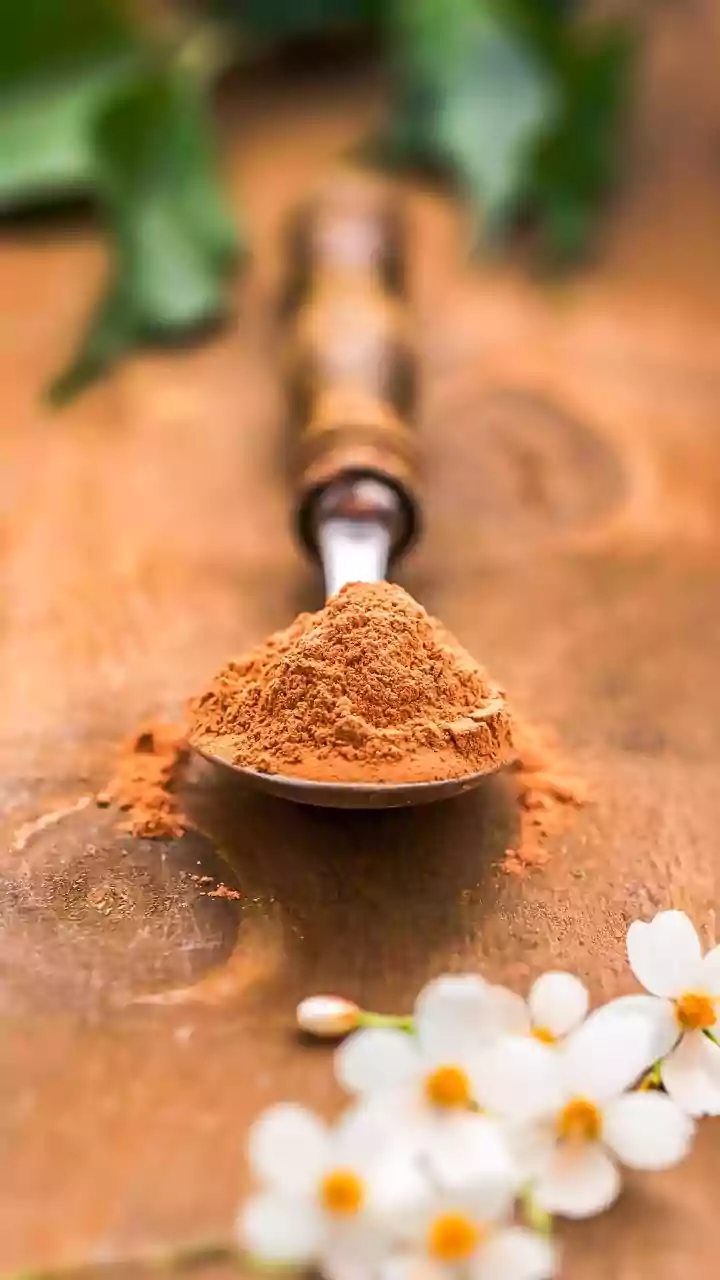
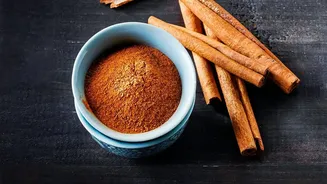
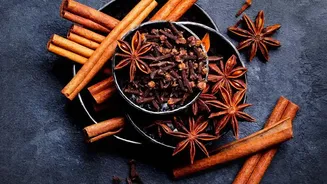
You can often tell the two cinnamons apart just by looking at them. Ceylon cinnamon, whether in stick or powder form, is typically a light, tan-brown colour. The powder is fine and smooth, and the sticks are soft and brittle. Cassia, on the other hand, is a darker, reddish-brown. The sticks are much thicker and tougher, almost like a piece of wood, and the powder can feel slightly coarser. If you have a dark, reddish powder with a very strong scent, chances are you're holding Cassia.
Test 2: Examine the Layers of the Stick
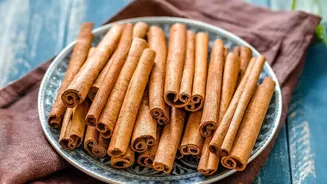
If you're buying whole cinnamon sticks, or 'quills', the structure is the most reliable giveaway. A Ceylon cinnamon stick is made of many thin, paper-like layers of bark rolled together, resembling a tightly packed cigar that's fragile and easy to crumble in your hands. A Cassia stick is a single, thick layer of bark that curls inward from both sides to form a mostly hollow tube. These sticks are hard, woody, and very difficult to break by hand.
Test 3: Read the Label Carefully
Since most brands are allowed to label Cassia simply as “cinnamon,” you need to become a label detective. To ensure you're getting true cinnamon, look for specific terms like “Ceylon cinnamon” or its scientific name, “Cinnamomum verum” (or Cinnamomum zeylanicum). The country of origin can also be a clue; real Ceylon cinnamon will often list Sri Lanka. If the label just says “cinnamon” or mentions origins like China, Vietnam, or Indonesia, it is almost certainly Cassia.
Test 4: Trust Your Senses of Smell and Taste
The final test is aroma and flavour. Cassia has a powerful, pungent, and spicy aroma that is instantly recognizable—it's the classic scent most people associate with cinnamon. Its taste is strong and can sometimes be a bit bitter. Ceylon cinnamon is far more delicate. It has a light, subtly sweet aroma with floral and citrus undertones. The flavour is complex and mild, enhancing dishes without overpowering them. While Cassia is great for robust dishes where you want a strong spice punch, Ceylon shines in desserts, drinks, and delicate recipes where nuance is key.