



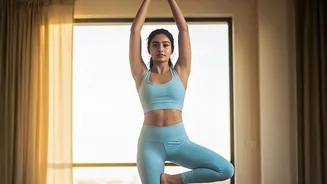
The Core of Pilates: Control and Precision
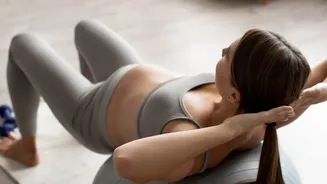
Pilates is a physical fitness system developed in the early 20th century that can be done on a mat or with specialised equipment. Its primary focus is on building a strong core—often called the 'powerhouse'—which includes the deep muscles of the abdomen,
back, hips, and pelvic floor. The practice is built on six core principles: breath, concentration, centering, control, precision, and flow. Exercises involve controlled, deliberate movements designed to improve posture, strength, and flexibility. A typical session feels like a structured workout, with specific exercises performed for a set number of repetitions. The emphasis is on the quality of the movement rather than the quantity, with a strong mind-body connection required to perform each exercise with precision.
The Flow of Tai Chi: Meditation in Motion
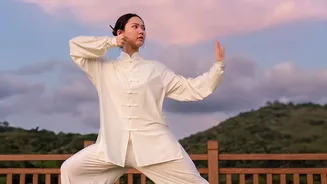
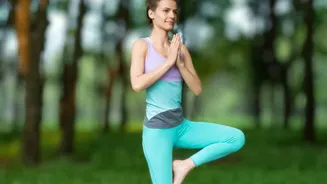
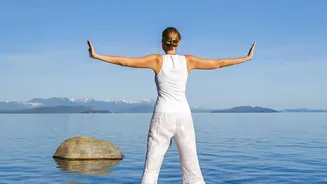
Tai Chi is an ancient Chinese martial art now practiced globally as a gentle, flowing form of exercise. Often described as 'meditation in motion', it consists of a series of slow, continuous movements that flow into one another without pause. Rooted in Taoist philosophy, Tai Chi emphasizes the balance of yin and yang—complementary forces like soft and hard—and the circulation of life energy, or 'Qi'. The practice is guided by principles like relaxation, centeredness, and moving the body as a single, unified unit. Unlike the static holds or repetitions in Pilates, Tai Chi's focus is on constant, graceful motion, promoting balance, stress reduction, and mental clarity.
Strength and Conditioning
When it comes to building strength, the two disciplines have different targets. Pilates is renowned for its ability to develop deep core strength. It isolates and activates muscles like the transverse abdominis, which act as a natural corset for the spine, improving posture and reducing back pain. The movements are designed to build long, lean muscles and improve overall muscle definition. In contrast, Tai Chi builds strength in a more holistic and functional way. The slow, controlled weight shifts and low stances build muscular endurance, particularly in the legs and hips. While Pilates is more targeted toward core conditioning, Tai Chi develops whole-body strength through coordinated, dynamic movement.
Flexibility and Balance
Both practices are excellent for improving flexibility and balance, but they achieve it differently. Pilates enhances flexibility by moving joints through their full range of motion and stretching muscles under tension. It improves balance primarily by strengthening the core stabiliser muscles. Tai Chi is particularly celebrated for its impact on balance, with extensive research showing it can help reduce the risk of falls, especially in older adults. This is achieved through its continuous weight shifting, coordinated stepping, and focus on body awareness in motion. One study found both practices were equally effective at improving dynamic balance in the elderly, making either a strong choice for stability.
Mindfulness and Stress Reduction
Both Pilates and Tai Chi are considered mind-body practices, but their approach to mindfulness differs. Pilates requires immense concentration to maintain proper form, breath control, and precision, fostering a strong connection between mind and muscle. This focus can be meditative, pulling your attention away from daily stressors. Tai Chi, on the other hand, is inherently a meditative practice. Its gentle, rhythmic movements and deep breathing are specifically designed to calm the nervous system, lower stress hormones like cortisol, and quiet mental chatter. Evidence suggests Tai Chi is exceptionally effective for stress reduction, often more so than other forms of exercise.
Equipment and Accessibility
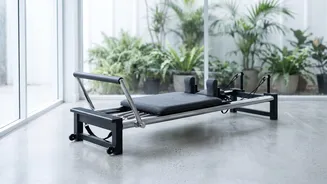
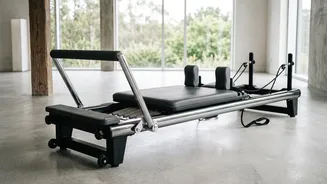
Herein lies one of the biggest distinctions. Tai Chi requires no special equipment. It can be practiced anywhere, with only comfortable, loose-fitting clothing and flat-soled shoes recommended. Many even practice barefoot to better feel the ground. While some advanced practitioners use tools like swords or fans, these are not necessary for beginners. Pilates, however, can be equipment-heavy. While mat Pilates requires only a thick mat for cushioning, studio-based Pilates uses large apparatus like the Reformer, Cadillac, and Wunda Chair. Even at-home mat workouts are often enhanced with props like resistance bands, magic circles, and small balls to add challenge and support. This can make starting Pilates a larger initial investment in either class fees or equipment.