






The Unseen Toll of Thin Air
As you ascend, atmospheric pressure drops. While the percentage of oxygen in the air remains about 21%, the lower pressure means you get fewer oxygen molecules with each breath. Your body, accustomed to functioning at a lower elevation, suddenly has to work
much harder to get the oxygen it needs. This state of reduced oxygen availability is called hypoxia. To compensate, your breathing and heart rate increase almost immediately. This is your body's first, frantic attempt to maintain oxygen delivery to your vital organs and tissues. But this is just a temporary fix for a complex problem.
When the Body Rebels: A Trio of Illnesses
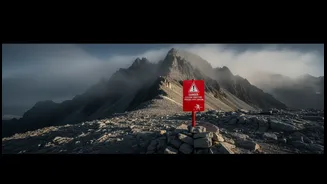
When you ascend faster than your body can adjust, it can lead to a spectrum of high-altitude illnesses. The most common is Acute Mountain Sickness (AMS), which can feel like a nasty hangover with symptoms like headache, nausea, dizziness, and fatigue. While often mild, AMS is a clear warning sign. Ignoring it and continuing to ascend can lead to two life-threatening conditions. High-Altitude Pulmonary Edema (HAPE) occurs when fluid leaks into the lungs, causing severe breathlessness and a persistent cough. High-Altitude Cerebral Edema (HACE) is when the brain swells with fluid, leading to confusion, loss of coordination (ataxia), and potentially a coma or death if not treated immediately.
The Fitness Paradox
It seems counterintuitive, but being an elite athlete doesn't make you immune to altitude sickness. Studies have found little to no correlation between a high level of physical fitness and a lower risk of AMS. In some cases, fit individuals might even be at a higher risk because they are capable of ascending too quickly or pushing themselves too hard, exacerbating the effects of hypoxia. While excellent cardiovascular health helps you recover from daily exertion, it doesn't change the fundamental physiological process of acclimatization. Your finely-tuned engine still needs the right fuel mix, and at altitude, the key ingredient—oxygen—is in short supply for everyone, regardless of their VO2 max.
Gear Is Not a Silver Bullet
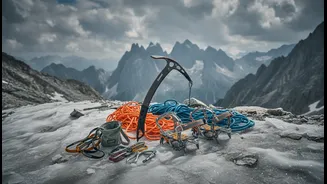
Today's mountaineers have access to an incredible array of technology, from ultra-lightweight packs to advanced clothing that protects against extreme cold. While this equipment is crucial for safety and comfort, it doesn't accelerate your body's internal adaptation. Even supplemental oxygen is a tool for treatment or for operating at extreme altitudes, not a substitute for acclimatization on the way up. Portable oxygen cans, popular with tourists, contain very little gas and their effectiveness is doubtful. Specialized gear like a portable hyperbaric bag, which simulates a descent in altitude, is a critical treatment for severe illness, not a tool to enable a faster ascent. Ultimately, no piece of gear can convince your kidneys to balance your blood pH or prompt your bone marrow to produce more red blood cells any faster.
The Only Currency That Matters: Time
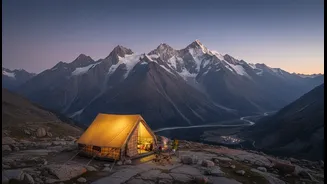
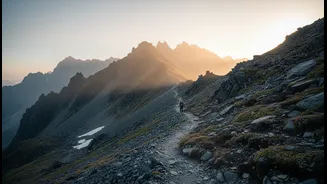
The single most effective way to prevent altitude sickness is a gradual ascent. This process, known as acclimatization, allows your body to make a series of complex adjustments over days. Mountaineering experts advocate for a staged approach. A common guideline is that once above 3,000 meters (about 10,000 feet), you should not increase your sleeping altitude by more than 300-500 meters per day. It's also vital to include rest days every few days without gaining elevation. The well-known maxim "climb high, sleep low" is a core principle of this strategy, where climbers ascend to a new height during the day but return to a lower altitude to sleep, aiding the body's adaptation. This patient, deliberate process is the true key to a safe and successful climb.