


An Ocean's Ghosts in the Mountains
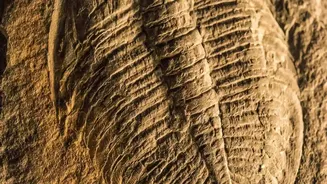
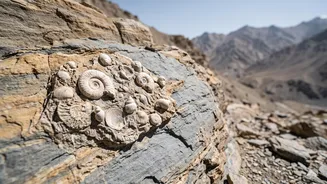
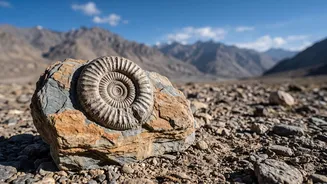
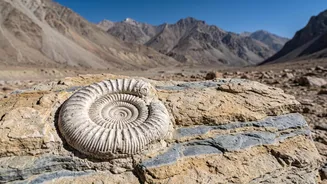
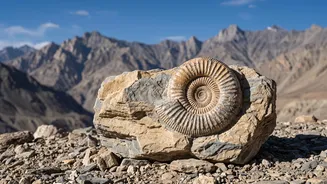
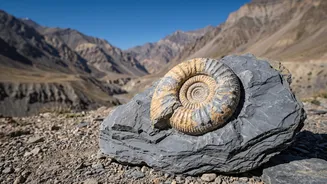
Veteran geologist Dr. Ritesh Arya recently unearthed a rich collection of marine fossils in the Changthang region of eastern Ladakh. Found thousands of metres above sea level, the fossils include spiral-shaped gastropods (similar to snails), bivalves,
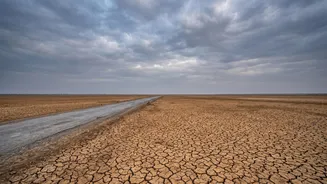
and oyster-like specimens. Preliminary analysis dates these organisms to the Eocene epoch, between 34 and 38 million years ago. At that time, the landscape we know as a cold, windswept desert was a warm, shallow sea teeming with life. This discovery offers tangible proof that beneath Ladakh’s peaks lie the forgotten shorelines of an ancient ocean.
The Tethys Sea and a Continental Collision
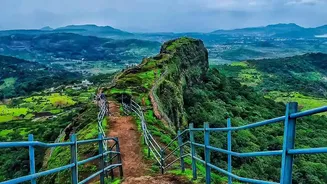
The story of these fossils begins with the Tethys Sea, a vast ocean that once separated the Indian subcontinent from the Eurasian landmass millions of years ago. The Indian tectonic plate, having broken away from the supercontinent Gondwanaland, was slowly but relentlessly drifting northwards. Around 50 to 60 million years ago, this journey culminated in a monumental collision with the Eurasian plate. The immense pressure of this impact buckled the earth's crust, thrusting the floor of the Tethys Sea upwards. This colossal geological event gave birth to the Himalayan mountain range, lifting the remains of marine creatures to the roof of the world.
What Makes the Nyoma Find Different
While marine fossils have been found in the Himalayas before, the Nyoma discovery is particularly significant. For years, geologists have studied the well-known Subathu Formation in regions like Himachal Pradesh, which contains a rich record of Eocene marine life. However, previous fossil discoveries in areas near Nyoma, such as the Kuksho and Liyan formations, primarily consisted of freshwater molluscs and fish, suggesting a different type of environment. The fossils found by Dr. Arya are remarkably similar to those from the Subathu Formation. This was the surprise; finding classic marine fossils so deep in the Ladakh corridor.
Rewriting the Ancient Map of India
The key change this discovery brings is to the palaeogeographic map of the region. The presence of these specific marine fossils suggests that the ancient Subathu sea extended much farther eastward into Ladakh than previously believed. It forces a re-evaluation of the sea's boundaries just before the final continental collision. According to Dr. Arya, the find helps piece together the puzzle of the eastern extent of this Eocene sea. If confirmed through further analysis, it means our understanding of the shoreline during this critical period of mountain-building was incomplete. The sea was bigger and reached farther than the existing evidence showed.
A Landscape Transformed
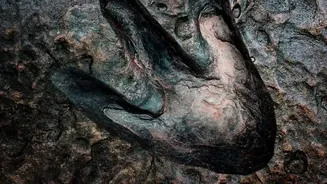
The collection of fossils paints a vivid picture of a world that is hard to imagine today. Alongside the marine shells, geologists have also found fossilized palms, petrified wood, and trace fossils of organisms burrowing in soft coastal sediment. This combination suggests a warm, subtropical coastal environment fringed by palm trees, a stark contrast to the arid, high-altitude landscape of modern Ladakh. The discovery not only adds crucial data points for geologists but also fires the imagination, revealing a lost world where an ocean lapped against shores that would one day become the mighty Himalayas.