



For millions, a vegetarian Indian meal is incomplete without a generous helping of rice. But with rising concerns about diabetes, this beloved staple is under scrutiny. How does我们的 a comfort food affect blood sugar, and must we give it up?
Why Rice is on the Radar
White rice is
a staple in Indian cuisine, cherished for its texture and ability to pair perfectly with dals and curries. However, it is also a refined carbohydrate. During processing, the outer fibrous bran and nutrient-rich germ are removed, leaving mostly the starchy endosperm. This means the body digests it very quickly, converting it into glucose that rapidly enters the bloodstream. This fast conversion can cause a sharp spike in blood sugar levels. Studies have shown that diets high in refined carbohydrates, like white rice, are associated with an increased risk of developing type 2 diabetes, particularly in South Asian populations who consume it frequently and in large quantities.
Understanding the Glycemic Index
To understand the impact of food on blood sugar, experts use the Glycemic Index (GI), a scale that ranks carbohydrate-containing foods on how quickly they raise glucose levels. Foods with a high GI are digested and absorbed quickly, causing a rapid blood sugar rise. Polished white rice generally has a high GI, often scoring 72 or higher. In contrast, foods with a lower GI are digested more slowly, leading to a gentler, more gradual increase in blood sugar. This is why healthcare providers often recommend low-GI foods for better diabetes management. While brown rice has a more moderate GI (around 50 to 68) due to its higher fibre content, the variety and processing can still cause significant variations.
It's About the Whole Plate, Not Just One Grain
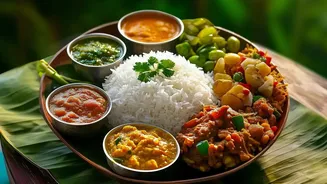
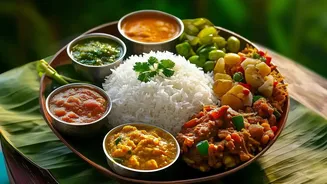
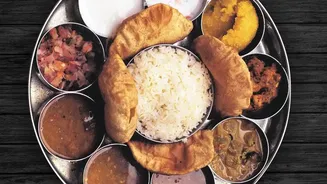
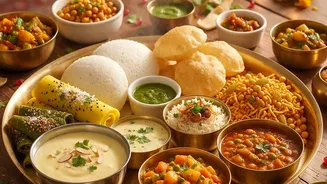
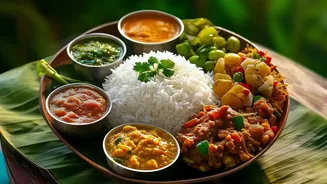
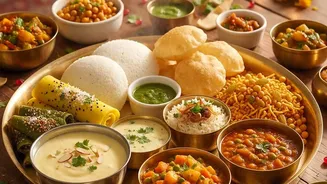
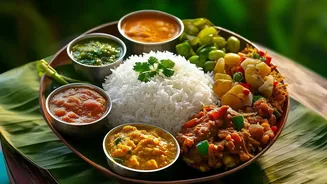
While a vegetarian diet can be incredibly healthy, an Indian thali that is heavy on grains can pose a challenge. A common mistake is filling the plate with a large mound of rice, with only small portions of dal and vegetables on the side. This creates a meal with a high carbohydrate load, overwhelming the benefits of the fibre from lentils and vitamins from the sabzi. The key is not to eliminate rice but to rethink its role on the plate. Pairing a smaller portion of rice with ample protein (like dal, paneer, or tofu) and non-starchy vegetables can significantly slow down glucose absorption and prevent sharp spikes. The fibre and protein act as a buffer, ensuring a more balanced metabolic response.
The Power of Portion Control
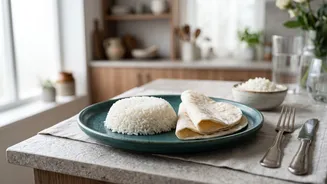
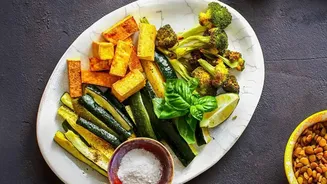
The single most effective strategy for managing blood sugar is portion control. Rather than banning rice, focus on how much you eat. Nutritionists often recommend the 'plate method' for a balanced meal. Imagine your plate divided into four quarters: fill two quarters (half the plate) with non-starchy vegetables like spinach, cabbage, bhindi, or broccoli. Fill one quarter with a protein source like dal, chickpeas, or paneer. The final quarter is for your carbohydrate, which could be a small katori of rice or one to two rotis. This approach ensures you get a nutrient-dense meal that is satisfying without causing a dramatic rise in blood sugar.
Smart Swaps and Healthier Alternatives
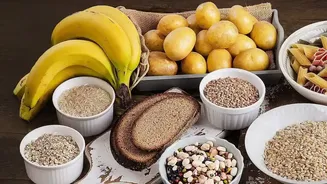
If you are looking to diversify your grains, the Indian kitchen offers a wealth of nutritious options that are making a comeback. Millets like jowar, bajra, and ragi are high in fibre and have a lower GI than white rice. They can be cooked like a porridge, used as a rice substitute, or made into rotis. Brown rice is another good alternative, as it retains its fibre and nutrients. Quinoa, though not traditional, has become popular for being a complete protein and can be used in pulao or upma. Even broken wheat (dalia) is a fantastic, high-fibre choice for making khichdi or upma. Experimenting with these grains can add variety and significant nutritional benefits to your meals.